AI has transformed from an esoteric research lab curiosity to a mainstream technology that now shapes entire industries. At the heart of this transformation are AI models, computer programs that can make complex calculations and perform tasks that usually demand human intelligence. From suggesting films to diagnosing ailments, more and more our lives are intersecting with these models on a daily basis. The inclusion of AI within apps, platforms, and infrastructure represents a paradigm shift in human-computer interaction. Use of AI by companies, governments and individuals is driving efficiency, accuracy and personalised service like never before. With advancing technology, it is becoming more pervasive in various domains. It is necessary to understand these models and how they operate in shaping our world.
How AI is Transforming Businesses
One of the biggest winners of artificial intelligence is business. Whether it’s customer service chatbots, fraud detection in financial transactions, or predictive analysis in supply chain practices, AI is driving efficiency. Companies can make faster, more informed decisions by automating routine tasks and extracting more subtle patterns in data. This results in higher productivity and lower operational costs. A lot of enterprises are also exploring how AI can be a component of their digital transformation project. AI, when applied correctly, helps businesses stay ahead in rapidly changing markets. The change can be seen in industries as disparate as retailing and logistics, and finance and manufacturing.
Education in the Age of AI
The academic environment, is shifting in a relevant way due to new ICT tools. Personalized learning Software Online learning platforms customize to the unique requirements of each student, in terms of both curriculum delivery and consumption. AI models are at the heart of this evolution, allowing teachers to monitor performance, detect learning gaps and create targeted interventions. 24/7 help is available from educational chatbots and virtual tutors. And AI can also shoulder some administrative burdens like grading or scheduling, freeing up more time for educators to focus on instruction. Colleges are also employing AI for admissions and to help with resource planning. In the era of data-driven education, AI enables personalized experiences that lead to improved learning outcomes.
Transforming Healthcare with AI
There have been life-changing applications of AI in healthcare. From medical image analysis to patient outcomes prediction, diagnostics accuracy and treatment efficacy, AI enhances everything. Algorithms are capable of searching through thousands of medical records in seconds to identify patterns that even the most skilled physicians might not notice. AI is helping with the drug discovery process to dramatically accelerate research times. AI-enabled wearables and health apps allow people to track and analyse their well-being in real time. What’s more, robotic surgeries assisted by AI provide accuracy and faster recovery. These aren’t just advances in patient care they’re life-saving.
Where AI Meets Entertainment
The music industry has already employed AI in visible and behind-the-scenes ways. AI is at the heart of streaming platforms that recommend content according to the preferences of the user, leading to a satisfied/chain viewer. AI is even being used to create music, visual effects, and even scripts. AI is used in games to make non-playable characters (NPCs) cleverer and more adaptable, and to make games play better. A small bus is packed full of reporters and photographers as it winds its way between Caroline Springs, Hillside and Taylors Lakes, suburbs that sit some 20 km from the middle of Melbourne. Additionally, AI is refining content creation timelines and budgets, enabling creatives to bring their visions to fruition more easily than ever. Our entertainment future depends on AI’s ability to shape the artist and the art.
Smart Cities and Urban Development
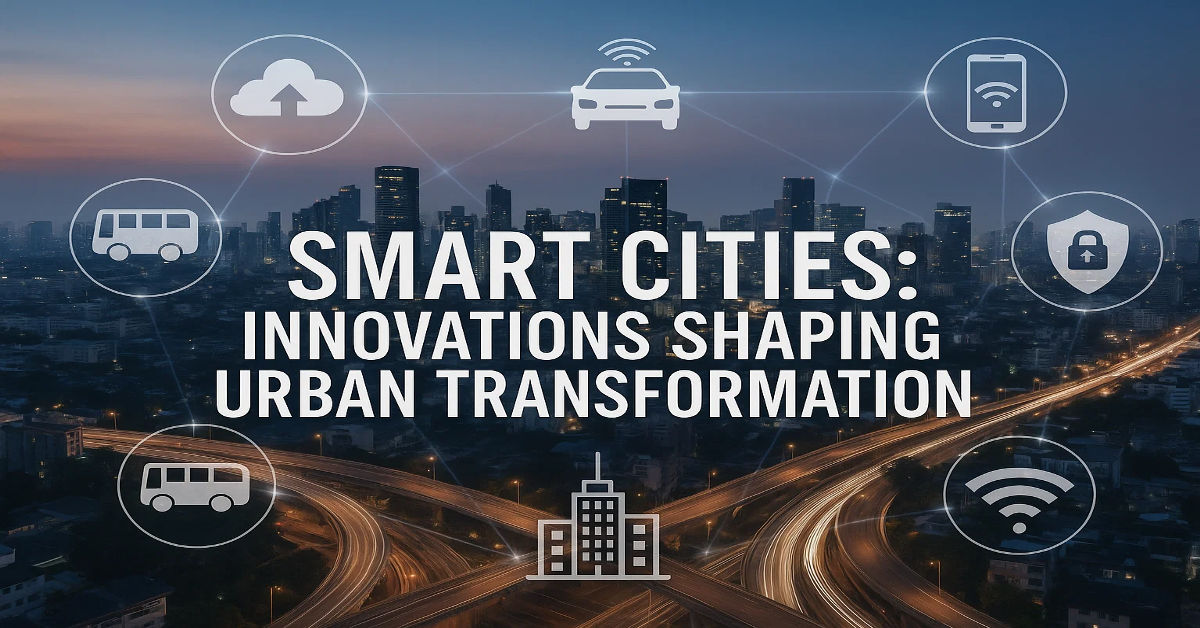
Smart cities leverage leading edge technology to optimize, plan and improve the quality of life within urban areas. The systems use traffic data to help refine public transportation and ease traffic. AI models are a key component in these changing practices, delivering advancements in ecosystem such as energy monitoring, predictive maintenance and urban simulations. The AI-enabled smart surveillance keeps us safe, while predictive maintenance helps keep infrastructures operational. Waste management, water provision, and even air quality is all being better managed with the help of AI. These days, AI simulations are used by urban planners to model different types of development before breaking ground. With the world’s urban population swelling, AI is emerging as a key ingredient in the realisation of efficient, live able and environmentally-minded cities.
Ethics and Bias in Artificial Intelligence
But along with the good comes a set of ethical dilemmas. Problems such as algorithmic bias, data privacy and decision transparency are immediate issues. An AI system will unknowingly amplify existing biases if trained on biased data sets. This can have very real consequences particularly when it comes to things like hiring, policing and lending. And without an explanation for complex decisions made by AI systems, issues of responsibility are on the rise. Now governments and companies are developing ethical frameworks and rules to pave the way for responsible AI applications. An open dev process and an open dataset will be key to mitigate the risks. As AI steps more to the fore, so too must our dedication to fairness and equity.
The Future of Jobs in an AI World
AI as a driver of automation is predicted to disrupt some types of work while also making room for new roles. Creative, emotionally intelligent and strategic roles will become increasingly valuable. AI will complement and not replace humans in many scenarios and it will free up professionals to work on more complex jobs. The job descriptions are changing and reskilling and upskilling are increasingly becoming a necessity. Schools and businesses need to join forces to train workers for this change. Elsewhere, freelancing and remote working, aided by AI tools, is also on the rise. Lifelong learning is critical to succeed in an AI-driven economy.
Worldwide Partnerships and AI Growth
AI is an international and collaborative venture. Nations are determining national AI strategies for innovation and competitiveness. Shared data sets and collaborative studies speed up progress and result in safer deployments. Intergovernmental organizations are also attempting to create norms and ethical principles. Open-source projects in AI are democratizing powerful tools. But geopolitical tensions and unequal access to resources could result in inequality. Promoting responsible governance and deployment of AI will demand commitment on the part of governments, industry, academia, civil society and the public at large, both domestically and internationally, as well as sustained dialogue among these stakeholders.
Conclusion
In short, technology isn’t just influencing our tools everyday it’s transforming society as a whole. Whether it’s in education, health care, urban planning or business, A.I.’s scope is broad and transformatory. This transformation is being led by AI models, specifically, which make smarter systems and more personalized experiences possible not just for individuals, but across industries. There are challenges, of course, especially regarding ethics and employment, but the opportunity for real progress is enormous. With sensitive regulation, proactive design, and ongoing innovation, AI can do good things and improve the future of the world we live in. We’re at the vanguard of this digital revolution, and responsible adoption of AI will decide how good it will be for future generations. AI’s story is only getting started and we all have a part to play in its next chapter.