That has been a long national debate as the population ages and lives longer. At present, the majority of public sector employees retire at 60 but may be plus or minus margins according to department or services rules. The debate on the retirement age in Pakistan has intensified in line with evolving demographics and economic requirements. These debates are frequently a proxy for larger concerns over job prospects for young people, pension obligations and long-term viability. Retirement policy adjustments could be crucial in defining the economic fate of the country. We have to know what its shape is now before we can argue over what to alter.
Retirement policies
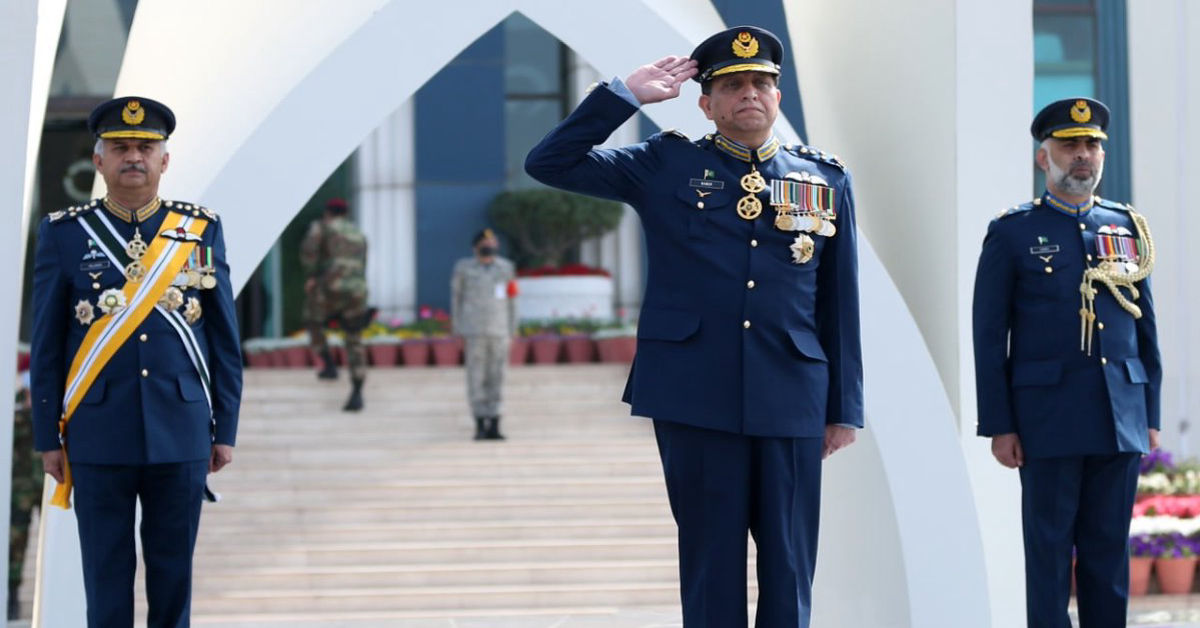
Much of Pakistan’s retirement architecture was inherited from the British colonial bureaucracy. The retirement rules have been constant for decades, especially in the public sector. Age limits for retirement have been established for civil servants, soldiers, and employees of state enterprises, usually at 60 years. But there are exceptions judges and professors can retire later in life. The private sector may operate by more flexible rules, but many companies are still aligned with government norms. This historical continuity has reinforced the administrative stability, but it has also resulted in controversy over modernization and the economy.
Legal Framework and Application of Current Law
The retirement age is still now regulated by different laws of civil service acts and departmental rules. ‘Acutely excessive’ In most cases, it is limited to the age of 60, although certain autonomous institutions and staff employed under contract can keep working after that. There have been suggestions in Parliament to increase the retirement age in Pakistan to 62, and even 65, onwards, on the premise of rising life expectancy and skills storage. Younger job seekers typically push back against such proposals, which they fear would slow their own entry into the job market by delaying retirements. But the discussion has not gone away, and is taking place in both public and private.
Retirement and Economic Consequences
Adjusting the retirement age up or down can have an enormous impact on the economy. On the one hand, longer working years implies that there are experienced workers in the labor force for longer periods, possibly contributing to the efficiency of organization. On the other hand, it’s a de facto drag on the arrival of new workers and puts extra stress on job markets already plagued by high levels of jobless claims. Those pension systems also come under pressure when the number of retirees outpaces the workers putting money in. Trade-off between these two is necessary to have a durable economic model for a developing country such as Pakistan.
Comparison with international practice
Relative to those in other countries around the world, Pakistan’s retirement policies are somewhere in the middle. In many European nations the retirement age has already shifted to 65 if not 67, reflecting extended life-spans and growing healthcare systems. On the other hand, a number of emerging economies retain retirement limits ranging from 55 to 60. These global developments may imply that Pakistan will sooner or later have to take stock of things if it is to be competitive in a globalized labor market. A glance on the best international practice will help Pakistan to go for balance, evidence-based reforms.
Age of Retirement and the Private Sector
The retirement age has a different impact in the private and public sectors. In many private sector organisations, particularly in multinationals, it is company policy rather than national regulation, which sets retirement age in Pakistan. Employees at the private sector work well over 60 in some advisory or part time positions. Such flexibility can be a useful tool in preserving institutional memory and leadership. But Pakistan’s retirement age is not strictly followed in the private sector and pensions or retirement benefits are not as standardised, leaving many retirees in a financially unstable position. Closing this gap is essential to strengthening post-retirement security for workers at all income levels and from all employment sectors.
Social and cultural factors
Retirement in Pakistan is not merely an economic or administrative matter; there are profound cultural dimensions to this decision. Retirees often take on significant child care, community service and decision-making in their households. As a consequence of an early retirement, a person might experience feelings of loss or social isolation; this is especially true for the more masculinity-oriented men (one’s job is one’s identity). On the other hand, extended occupations may enable individuals to continue cultivating social status and economic independence over greater lengths of time. Any policy discussions should take cultural expectations about ageing and productivity into account to gain good buy-in.
Obstacles and Prospects for Reform
Getting to a higher retirement age is fraught with hurdles, whether it’s a matter of public opinion or legislation. While raising the retirement age would cut the government’s pension expenses, and make better use of human capital, it also has to be weighed against the need to employ young people. Needs include phased retirement, flexible schedules, and training for a second career in the work life of older employees. These and similar alternatives might help to ease that transition and avoid jarring changes in the workforce. Finally, policy efforts should be comprehensive and inclusive, addressing the needs of both current and future generations.
The Shape of Retirement Policy in Pakistan
With Pakistan’s gradual shift towards the economy of the future, so too does its retirement policy need to. Digitisation, the advancement of health care and demographic changes are some of the forces that require a new perspective on outdated systems. The Government, private sector and civil society must come together and design a retirement plan that is equitable, adaptable and future-proof. We must aim for the optimisation of individual potentials and for a reliability of financial security, at least among the various stages in life. Public policy making should be transparent and inclusive to attain this fine balance.
Conclusion
In summary, retirement is not merely a milestone number but embodies broader social, economic and institutional values. While the controversy over whether or not the retirement age in Pakistan should be raised or reformed rages on, it is important to strike the right balance between preserving valuable experienced employees and giving space to new talent. With life expectancy rising and labor demands changing, the country is at a crossroads. Whether it’s the age bar getting raised, flexible retirements kicking in or reforms in the pension systems, it’s high time Pakistan’s old age policy is ready for the future. Sensible and equitable reforms will ensure old and young alike enjoy a sustainable retirement system.