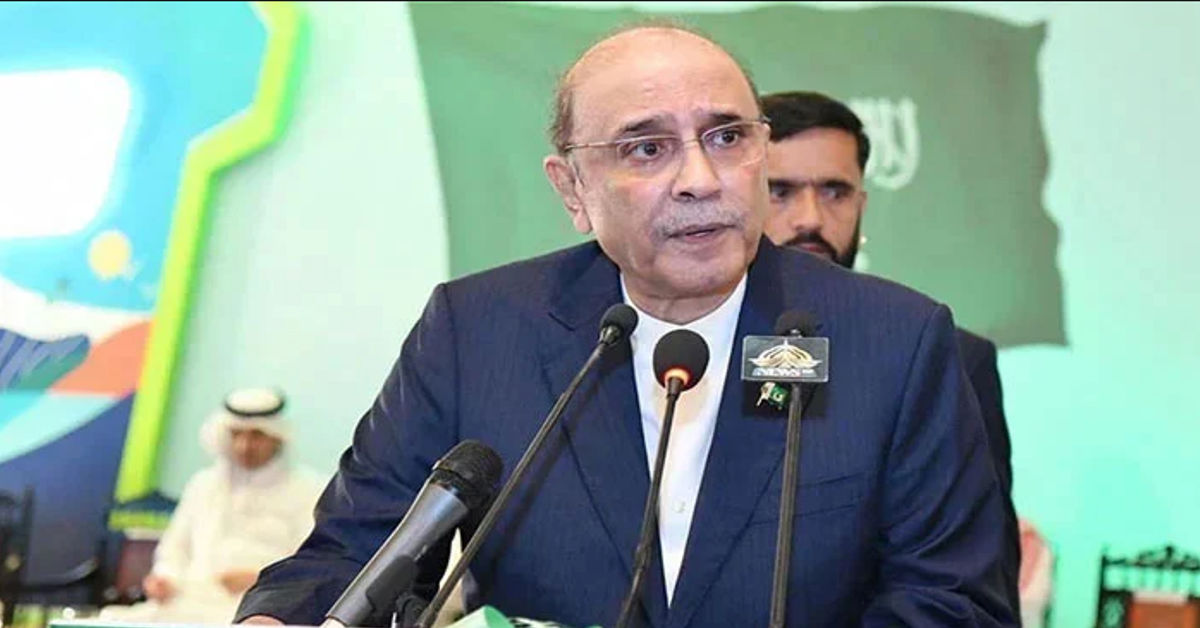
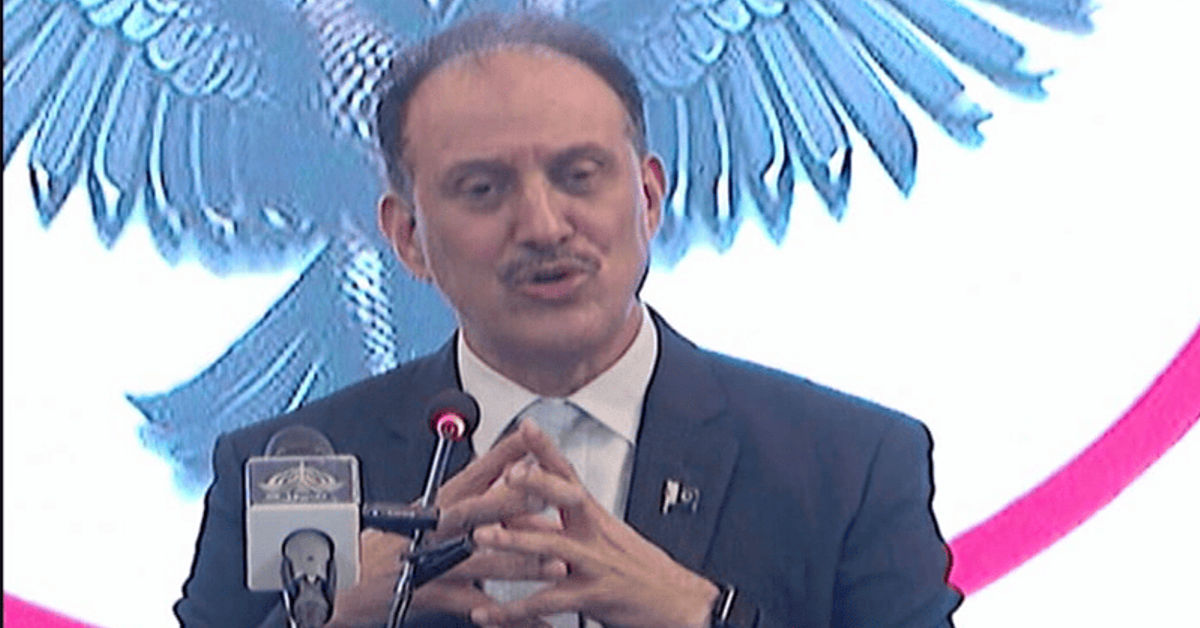
Pakistan Armed Forces’ official spokesperson, the DG ISPR, in yet another explicit statement has stated categorically that India has been indulging in state sponsored terrorism against Pakistan since its inception in 1947. The announcement reflects the long running and deteriorating tensions between nuclear-armed India and Pakistan next door. It illustrates how test postures, clandestine threats, sub-conventional proxy wars have led to accusations that India is undermining peace in Pakistan. This statement is also an indicator of the Pakistani military’s frustration over India’s increasing international influence. * Furthermore, The Kashmir issue has a decades-old history.
A History of Conflict Between India and Pakistan
India and Pakistan have been bitter adversaries since 1947, when India emerged as an independent country from British colonial rule, and Pakistan was established. The partitions resulted in enormous population movements and violent riots across the region, leading to the subsequent delineation of the control of Jammu and Kashmir. The two nations fought four wars (in 1947–48, 1965, 1971, and 1999) and several other battles along the border during the disputes. The DG ISPR referred to Pakistan’s position alleging India is still following a policy of destabilization by terrorism and subversion.
DG ISPR Blames the Enemies of Key Points
The Director General ISPR claimed that India is backing up the terrorists in Pakistan, particularly in Balochistan and the erstwhile tribal areas. He provided evidence that not only RAW but also Pakistani terrorists have been ‘encouraged’ and ‘equipped’ by Indian intelligence agencies to carry out attacks in Pakistan. He accused India of sheltering and funding separatist groups to foment turmoil and violence. The DG ISPR said India was trying to defame Pakistan through false narratives and lies around the globe. India, the Indian official said, is seeking to box in Pakistan, domestically by encouraging antigovernment protests in Pakistan, which it believes could weaken the government, and internationally by opposing everything Pakistan attempts to do to improve its economy.
The matter of Kulbhushan Jadhav
In a similar claim, the Pakistan government contends that it arrested an Indian Navy retiree, Kulbhushan Jadhav, from Balochistan in March 2016 for engaging in Indian-financed terrorism. They allege that Jadhav was an agent of RAW who sponsored insurgency, attacks on strategic installations and sought to create divisions in Balochistan. India says Jadhav was a former Indian navy officer and denies he was a spy. Instead, India says Pakistani agents snatched him from Iran. The case had brought India and Pakistan at the brink of a war as it mounted global pressure on Pakistan, and led to ICJ’s intervention. Notably, despite this ruling, Pakistan still claims that Jadhav’s arrest is evidence that India is trying to harm its national security.
What We Know About Terror Attacks and Suspect Groups
Pakistan has been wracked by decades of terrorist attacks. Most of these attacks have been claimed by groups such as Tehreek-e-Taliban Pakistan (TTP), Lashkar-e-Jhangvi, among others. But Iran alleges that Indian spy agencies are covertly backing the militants. As per ISPR DG, intelligence reports received on a daily basis suggest Indian hand behind the blast near the Lahore residence of LeT founder Hafiz Saeed. Investigators say they followed the money to Indian nationals who used offshore bank accounts to pay for the attack.
Propaganda and Information Warfare
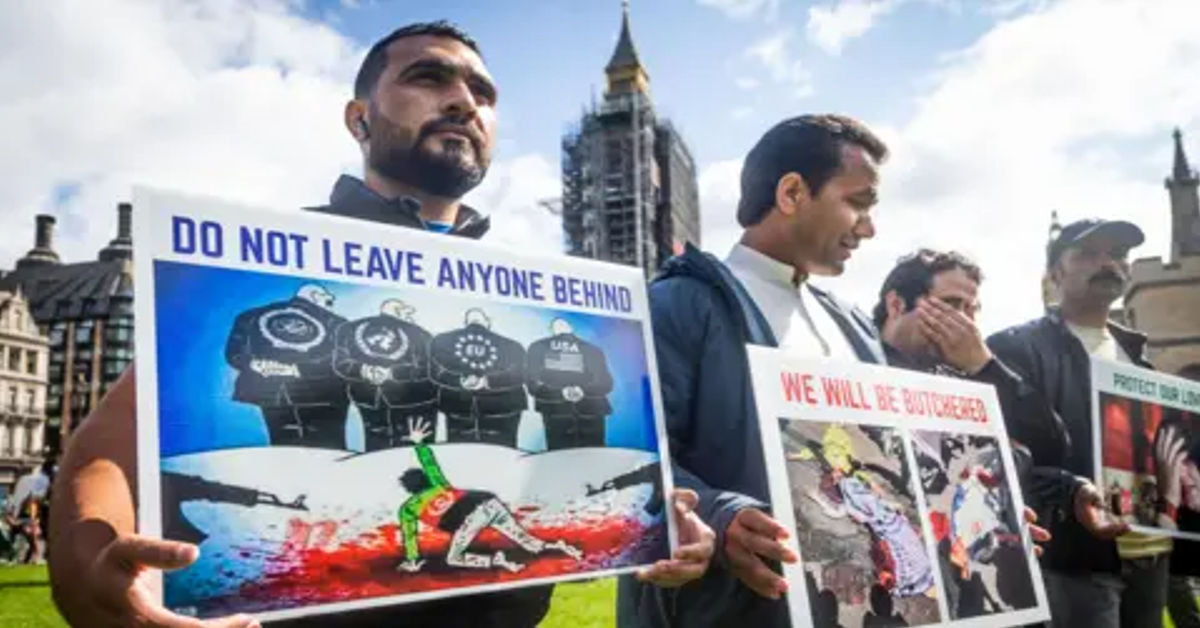
Pakistan has also accused India of fighting information warfare and hybrid methods. India is engaged in cyber operations and dissemination of fake news to malign Pakistan’s global status, the DG ISPR stated. He cited a 2020 report by EU DisinfoLab, which exposed operation of fake media outlets and NGOs across Europe to push India’s narrative in Pakistan. According to the report, the proponents of the zombie entities falsely asserted with UN backing and established the entities to sabotage Pakistan’s efforts against terror and extremism by employing human rights as a smokescreen. Pakistan officials say the campaign is evidence that India is trying to shape world opinion and to diplomatically isolate Pakistan.
Impact on Local and Global Problems
But if Pakistan’s claims can be substantiated, the implications for regional security will be very grave. Both possess nuclear weapons, and because of their frequent disputes, any terrorist or provocative actions against the other could quickly escalate into a major conflict. It’s time for UN and FAT to notice Indian aggression and hold them accountable for destabilizing South Asia, the military appealed. Pakistan, Pakistan says, has been under a lot of pressure to cease terrorism financing and extremism, while India’s coddling of insurgent groups gets no attention.
How India Stand and Respond
India has denied it is supporting terrorism in Pakistan. Instead, the New Delhi government accuses Islamabad of being the epicenter of global terrorism among them the Lashkar-e-Taiba and Jaish-e-Mohammed, which have staged devastating attacks in India, including those against the Indian Parliament in 2001 and in Mumbai in 2008. Indian officials say Pakistan raises the issue of terrorism as a smokescreen to hide its problems, and as a counter-narrative that it, too, fights extremism. They say the military in Pakistan has long cited interference by India as the reason for its heavy-handed engagement in national politics and security as it did last year and the years before.
The risk factors must be mitigated through discussions.
Despite these grave charges levelled by both countries, some people from both sides still believe that dialogue, confidence and diplomacy are the only way forward. Peace in the region, economic gains and the war on terrorism will only prevail if all parties stop their secret actions and stop using insulting terms. And still, there’s not a lot of trust, and current developments have set beliefs further apart in both camps.
Conclusion
By stating this, the DG ISPR revealed how much of mistrust and hatred prevails between Pakistan and India. If they are true, they raise serious concerns over the region’s security and the standards followed by nations. With tensions so thick on the ground in South Asia the most populous and contested region on the planet everyone has an interest in steps to calm tensions and prevent further souring of relationships. Both sides need to renounce hostility, speak candidly, act in good faith, meet each other halfway on sovereignty, and let peace take root in the land. How these countries respond now will determine the fate of more than 1.5 billion people in South Asia.