On June 13, 2025, the violence between Iran and Israel took a new threatening scale as Iranian retaliatory missile attacks were carried against main cities in Israel. There were loud explosions that were heard in Jerusalem and Tel Aviv causing a wide panic. There were air raid sirens all night, as civilians ran to bomb shelters. The Israeli military said that it had intercepted dozens of missiles launched by Iran in two salvos. A lot of them were intercepted, whereas others hit buildings and led to major injuries and damages to property.
The Response of Iran to the Attack on Natanz
This massive revenge was in direct response to an earlier unprecedented Israel military action against an underground Natanz nuclear plant in Iran. The attack which was executed a few hours before the launch of the missile by Iran, killed dozens of high-ranking Iran officials, nuclear scientists, and top military commanders, according to reports. The devastating damage at Natanz which was labeled as catastrophic by international observers compelled Tehran to swing into urgent action. Ayatollah Ali Khamenei, the Supreme Leader of Iran, proclaimed that the Zionist state had begun a war and that there would be no safe place in Israel.
Defense of Israel and the American Involvement
The military said that Israel shot less than 100 missiles in Iran and the majority of them were repelled by the Iron Dome aerial defense system. But in Tel Aviv and Ramat Gan at least two residential buildings were directly hit. Two people were critically wounded, and dozens more received light injuries. The US was the key contributor in helping Israel defend itself. U.S officials stated that American troops assisted in intercepting a few of the incoming missiles which strengthened the military ties between the two countries.
The Loss of Life and Damage Increases
The rocket salvo brought havoc in the Israeli cities. Israeli authorities reported 44 injuries overall, listing some as critical and others as minor. The Iranian response was no less destructive in its wording and effects. Iran U.N. envoy said 78 individuals, comprising of top Iranian officials and more than 300 civilians died in the Israeli attacks earlier in the day. At the same time, observers viewed the barrage launched by Iran as a theatrical performance of power. However, defense systems destroyed many of the rockets before they could inflict maximum damage.
The Fallout at Natanz and Beyond
It might take weeks to determine the full damages at the Natanz nuclear site in Iran. U.N. nuclear watchdog chief Rafael Grossi said the attack destroyed the above-ground enrichment facility at Natanz. Authorities are investigating the status of two other targeted facilities at Fordow and Isfahan. Natanz facility has been a focus of the international attention for long, as the Western countries have been alleging Iran of covertly enriching uranium to weapon-grade. Iran claims that it is a peaceful nuclear energy production facility.
The Mission of Israel and Justification According to Netanyahu
Israeli Prime minister Benjamin Netanyahu went on national television to justify the attacks on Iran, by presenting them as necessary acts to ensure that Tehran does not acquire nuclear weapons. He said history would recall that they defended their own future by standing their ground. Netanyahu, who has long criticised Iranian nuclear aspirations, demanded that the operation would not cease till the threat is completely neuter. He asserted that intelligence showed that Iran was only a few days distant to developing sufficient fissile material, which could make several nuclear bombs.
Heavy Losses and Revenge Promises to Iran
The Israeli attacks on Iran resulted in unprecedented losses to the leadership of the latter. Authorities confirmed the deaths of Major General Mohammad Bagheri, the chief of staff of the armed forces, and Hossein Salami, the commander of the Revolutionary Guards. The new commander of Iran, Major General Mohammad Pakpour, made a chilling general statement that they will retaliate severely. He said, “The regime that kills children shall open the gates of hell.” The assassination of six of its senior nuclear scientists further strengthened Tehran’s resolve.
International Reactions and Global Concern
The rapid intensification caused world leaders to get alarmed. The international communities urged restraint as there was fear of a regional war that would involve other countries. U.N. Security Council held an emergency session to examine the situation. The news sent oil markets into a tailspin with crude oil prices surging on fears of oil supply disruptions in the oil-rich Middle East. OPEC however, promised not to make immediate changes with regards to supply of oil. Countries are encouraging the two parties not to involve the region in a wider and more deadly confrontation.
The Nuclear Question and Trump Diplomacy
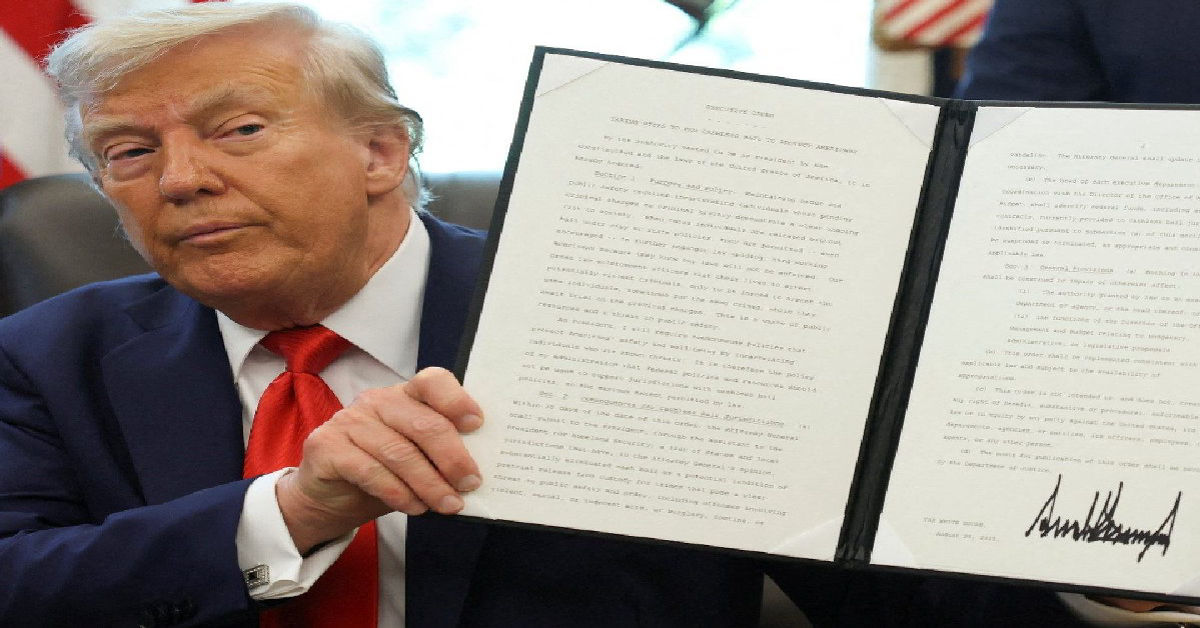
Former U.S. President Donald Trump, who had earlier on abandoned the 2015 Iran nuclear deal, said that it was not too late to avoid further bloodshed by diplomacy. Trump informs Reuters that he knew in advance that Israel was going to attack and tried to prevent it by giving Iran a new nuclear deal. He regretted that Tehran had shot down the last proposal but it was “not too late” to return to the negotiating table. Discussions were to take place on Sunday but a cloud of uncertainty hanging as to whether they will take place.
Conclusion
The latest development is one of the most serious increases in tensions in the Middle East in decades. The missile revenge by Iran against Israel and the earlier Israeli attack on Natanz have paved way to the possibility of long-term warfare. Although both parties justify their actions as a measure of necessity. The civilians, trapped in between the line of fire, are paying the actual price. As forces kill influential military figures, demolish nuclear facilities, and destabilize whole territories. The threat of a wider conflict grows significantly. The international community is waiting and hoping that diplomacy will still save the day before it is too late.