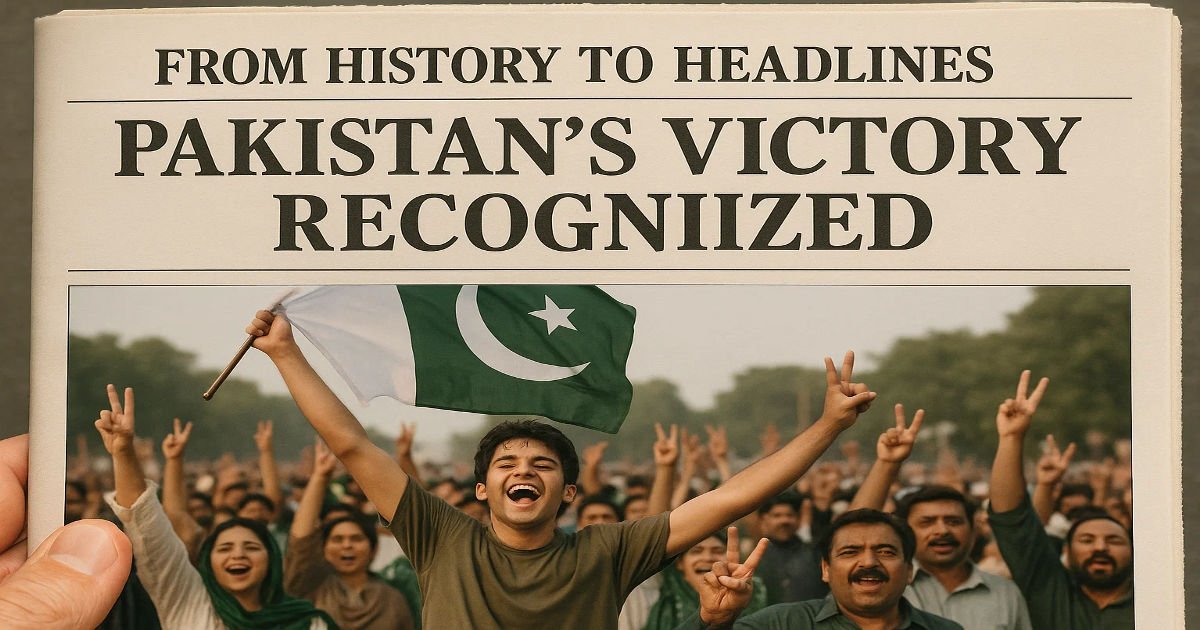
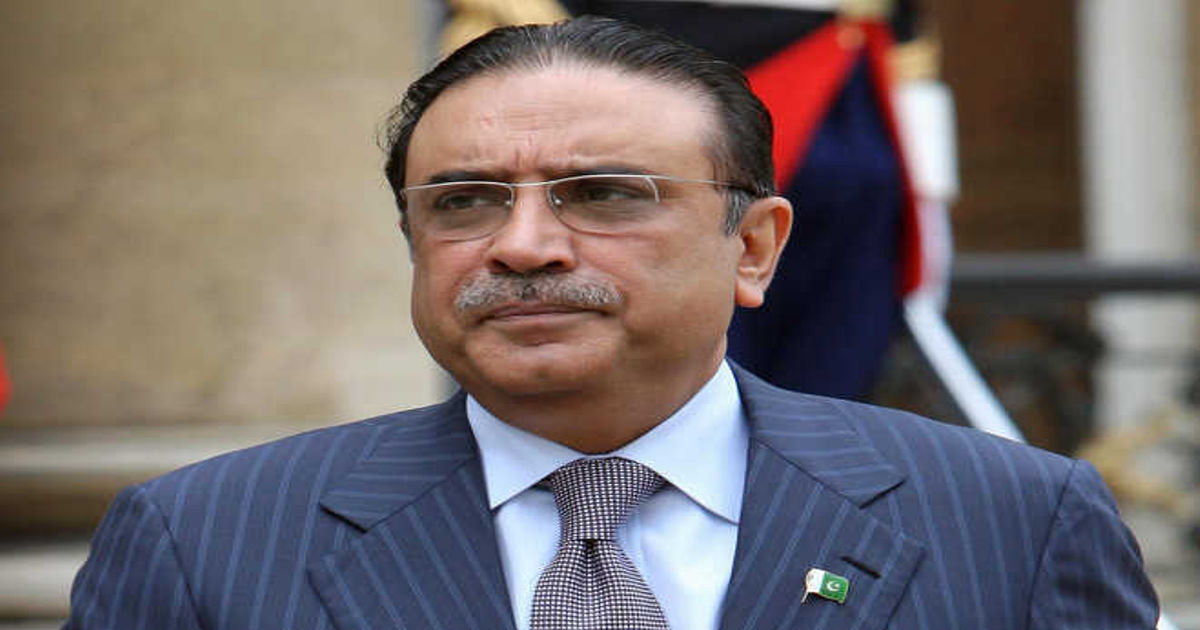
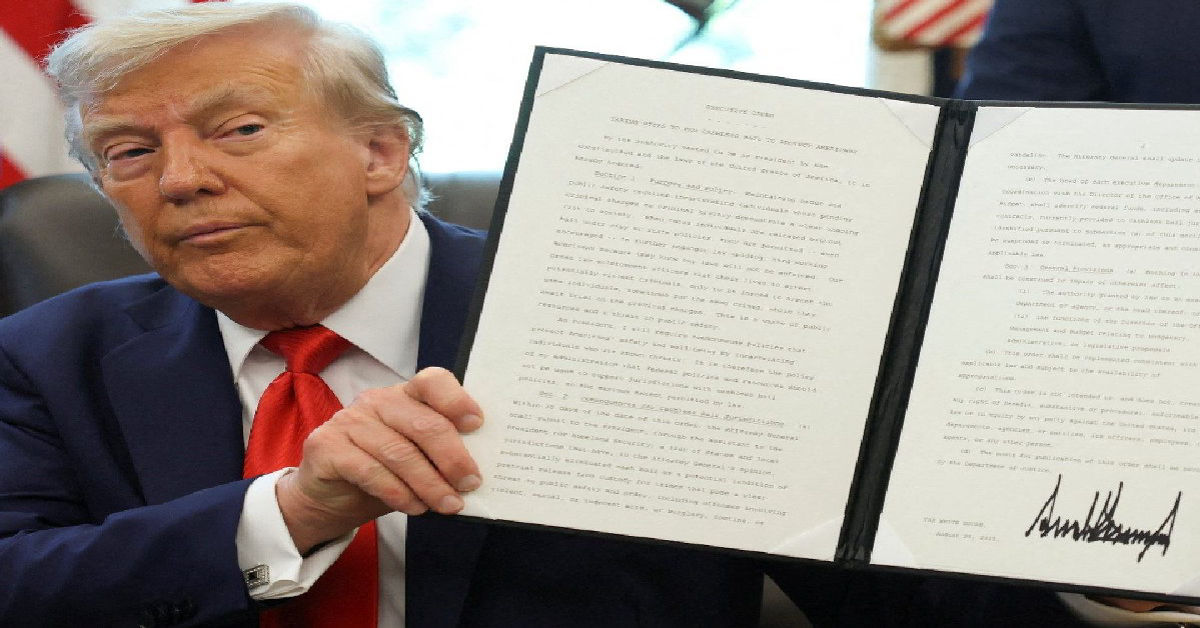
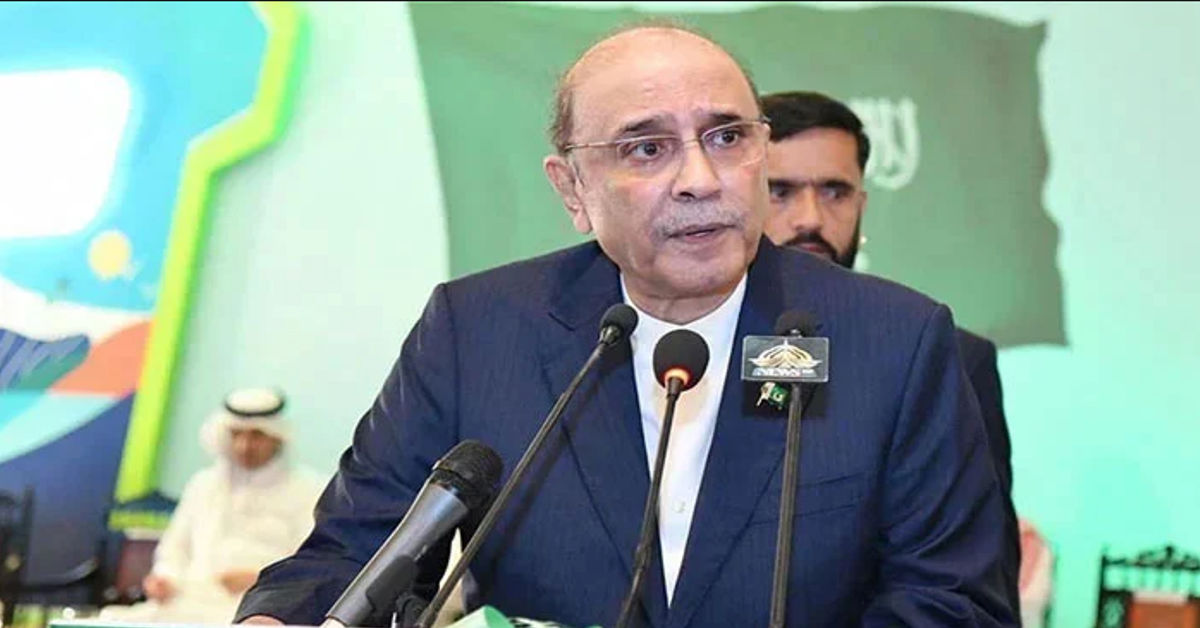
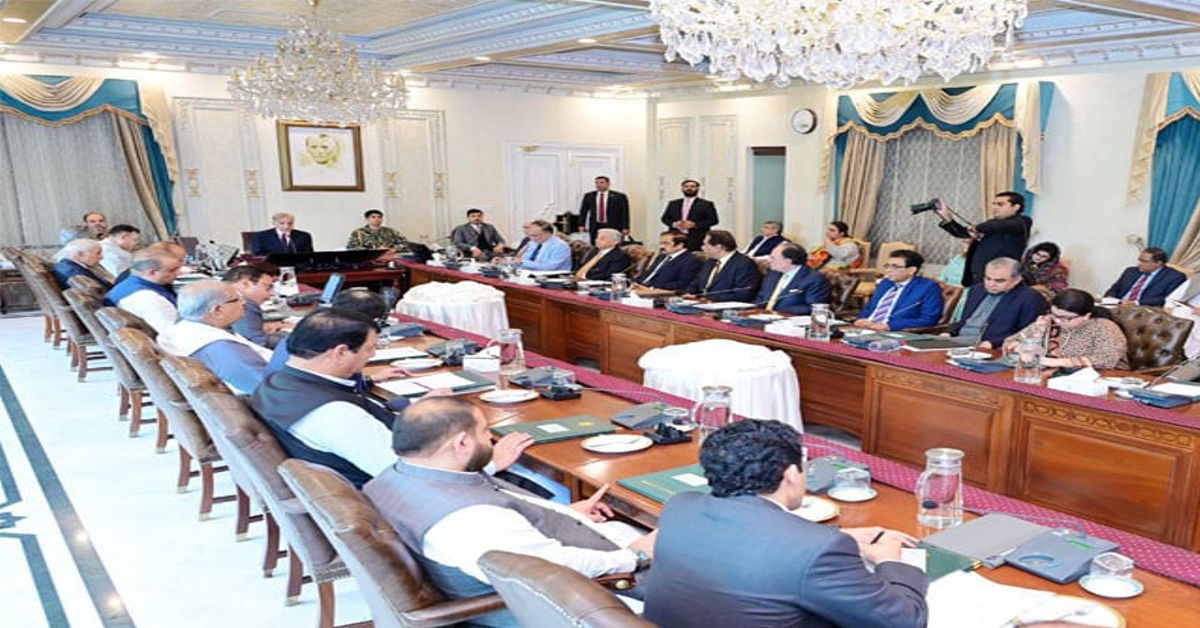
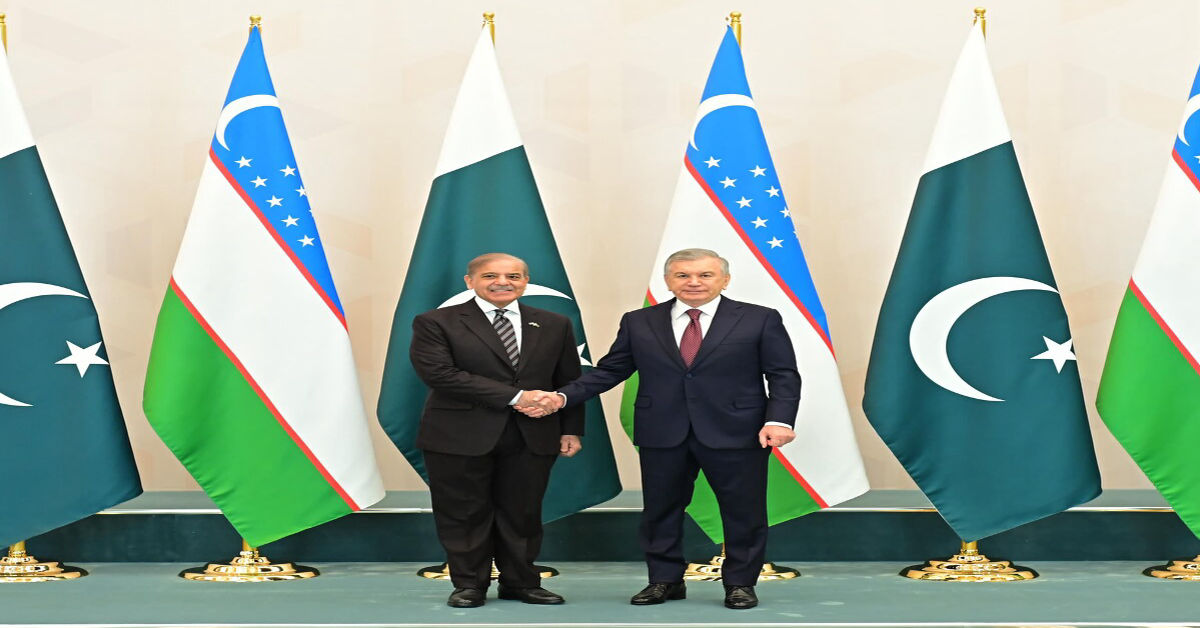
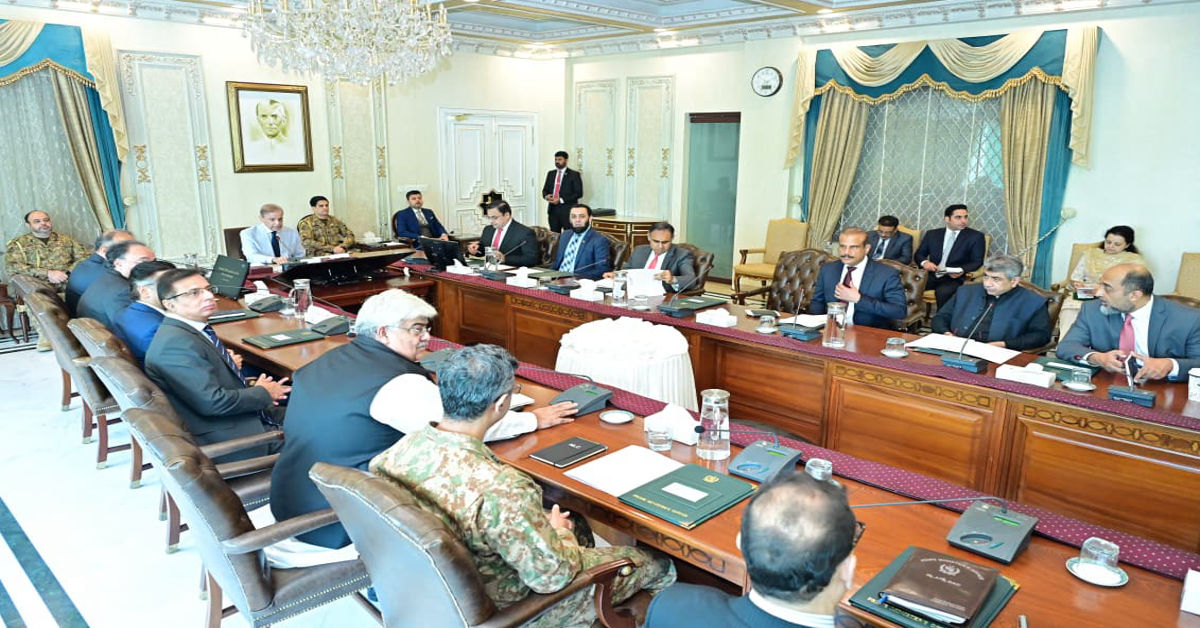
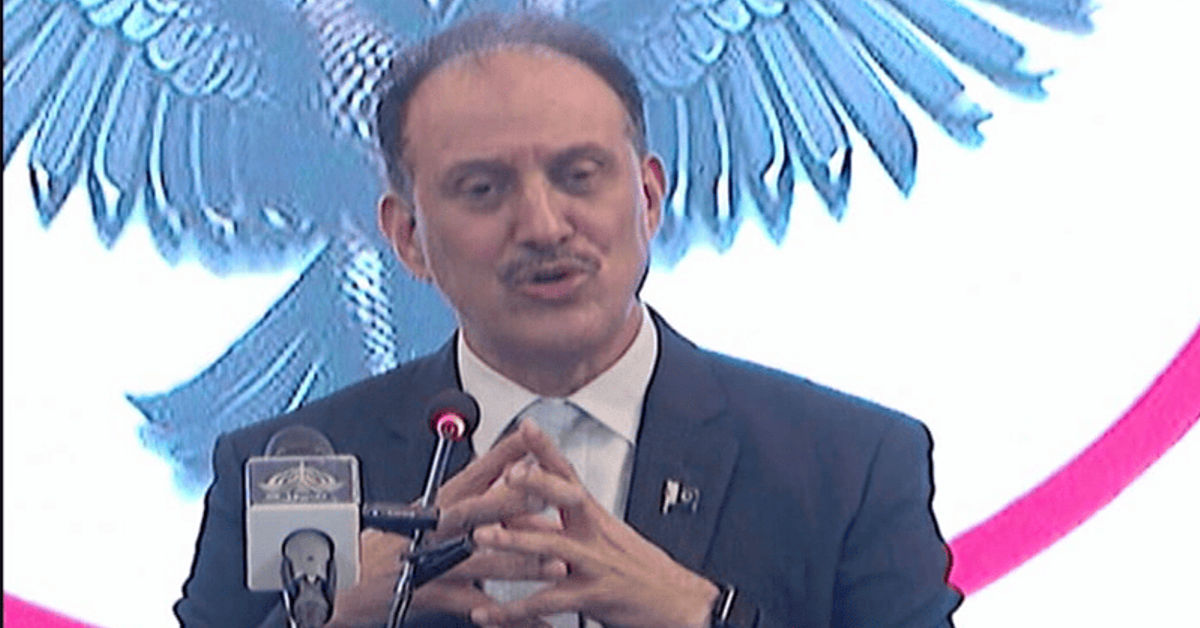
Pakistan and the United States are coming to a new era of economic politics, as both of the states have decided to move forward towards negotiations on mutual tariffs. This was announced by Pakistan Finance Minister Muhammad Aurangzeb in an event organized in Islamabad. Where the finance minister disclosed details on the current negotiations with the US Commerce Secretary. This is one of the developments that can resume the process of redefining the terms of trade and stabilizing economic collaboration between the two nations.
History: Washington Tariff Pressure
In April, the US declared to revise its tariff policy that applied to the world, and Pakistan was among the countries that were affected by it. Pakistan also has a trade surplus of 3 billion dollars with the US and hence the threat of a 29 percent tax on its exports is a reality. This action has the potential of influencing industries forming important Pakistani exports which include textile, garment and surgical instruments. But rather than being reactive Islamabad is remaining proactive to amicably work out any issues concerning the tariffs.
Positive Talk with the US Commerce Secretary
Finance Minister Aurangzeb said that he held a positive meeting with US Commerce Secretary Howard Lutnick. He referred to a positive and forward look of the meeting. The two sides also stressed on understanding and readiness to collaborate in eliminating obstacles towards trade. The discussion is indicative of the general understanding that the economic cooperation should be aimed at achieving mutual interests instead of letting the imbalances in trade severely affect the relations.
Reciprocal Tariff Negotiations
Another key result of the recent engagement is the fact that the talks regarding reciprocal tariffs will be sped up. Both countries have confirmed that they will soon conduct technical- based discussions aimed at setting a roadmap of win-win. According to Aurangzeb, these talks would not take place to simply equate tariffs, but it also aimed at creating long-term security in trading agreements. This strategy would also help to make Pakistani products more competitive in the American market. And at the same time accrue equal advantages to the American corporations that are based in Pakistan.
Bigger Trade and Investment Goals
Other than the tariffs, the negotiations between Pakistan and US also involved wider trade and investment opportunities. The two nations were determined to enhance economic relationship through mutually gainful economic relations as asserted by Aurangzeb. During the talks, officials also emphasized the need to invest long-term, access markets efficiently. And collaborate institutionally in the fields of technology, agriculture, and services. This comprehensive plan shows that it is withdrawing the short-term solutions and venturing in long-term economic alliances.
Reforms and a Basis of Economic Growth
The Ministry of Finance, Aurangzeb expressed again the government’s stake in structural reforms particularly in the area of taxation, energy and tariff. He stressed that the latest reforms have been directed toward establishment of a competing economy that is capable of attracting investment and promoting its sustainable growth. Such efforts should also restore credibility to Pakistan in the international community as a country. That is business friendly and ready to compromise with the global norms.
Adaptable and Affordable Pension Reforms
In his speech, Aurangzeb also highlighted the recent pension reforms, describing the newly introduced. Defined Contribution Pension Scheme as a win-win situation for both the workers and the government. In this scheme, the government contributes 20 percent more than the 10 percent given by the federal workers in terms of basic pay. Experts consider the reform a major move toward reducing periodic pension liabilities and making the retirement system self-supporting. They have also suggested imposing a 5% tax on pensions above Rs. 10 million to promote fairness and equity in state expenditures.
Senior Workers during Inflation Times
In order to protect vulnerable population, the government had decided to boost pensions of the retired employees by 7 percent, according to inflationary tendencies. This increase guarantees that the low- and middle-income retirees will not undergo excessive difficulty in the present financial situation. This is based on the efforts of the government toward achieving a balance between their fiscal responsibility and the welfare of other people. Particularly, those who have served the government for many decades.
Geo political Developments of Diplomacy
Geopolitical struggles continue to cast doubt on diplomatic timetables, despite the momentum of economic activities. Officials postponed two visits from Pakistan to the US one led by Deputy Prime Minister and Foreign Minister Ishaq Dar, and another by a trade delegation due to the escalating conflict in the Middle East. In spite of these setbacks, the two parties have confirmed their desire to continue the communication process and future meetings after a stabilization of the situation.
Conclusion
The signing of the deal to move forward its bilateral tariff negotiations is a tactical change in relation of Pakistan and US. Instead of letting trade tensions worsen, the two countries are opting the dialogue and reform route. As technical talks loom ahead, the negotiations are currently targeting formation of a trade plan that is based on common grounds of mutual interests and economic facts. Provided these turns into a success. This would go on to become a reference in future bilateral arrangements to proceed with a healthier more dynamic economic bond between Pakistan and the United States.