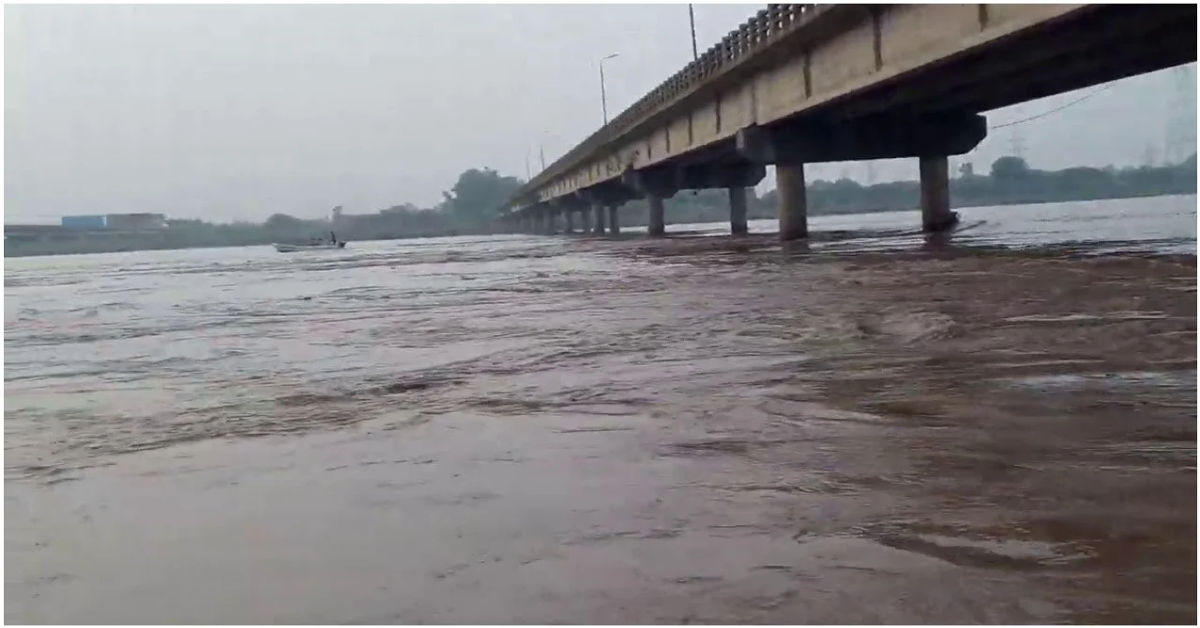
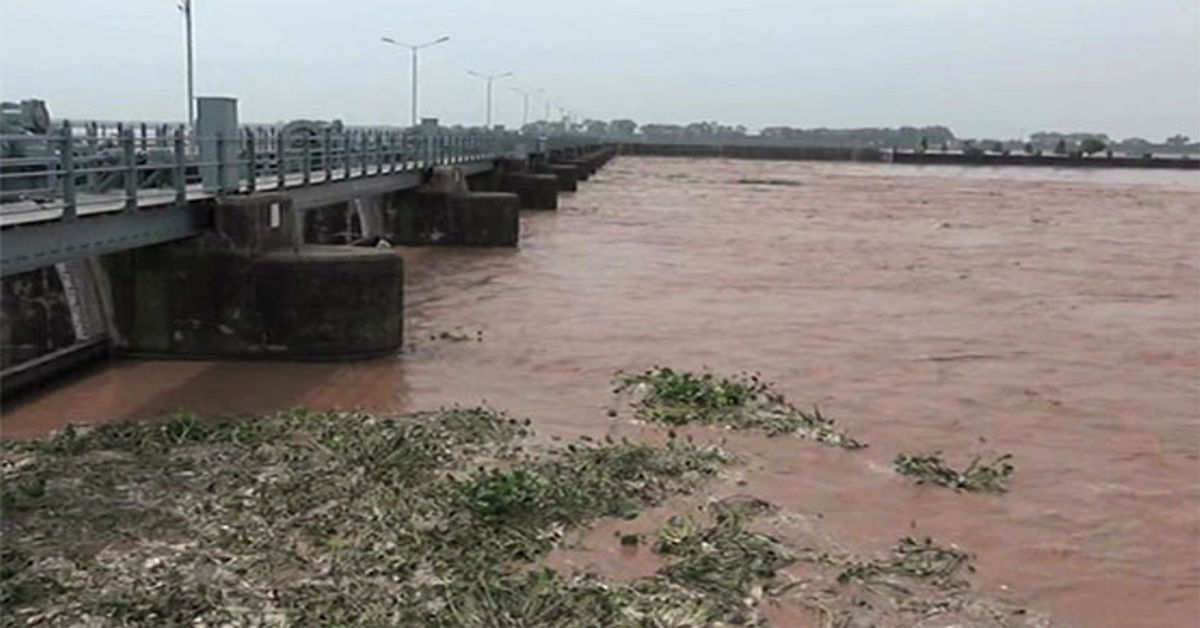
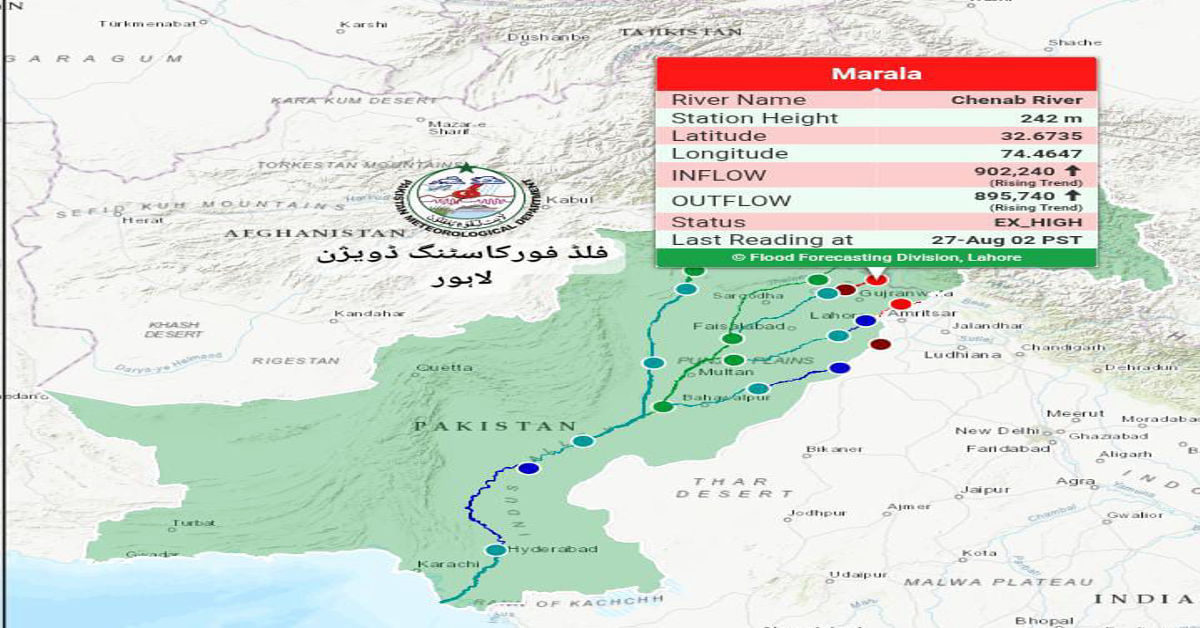
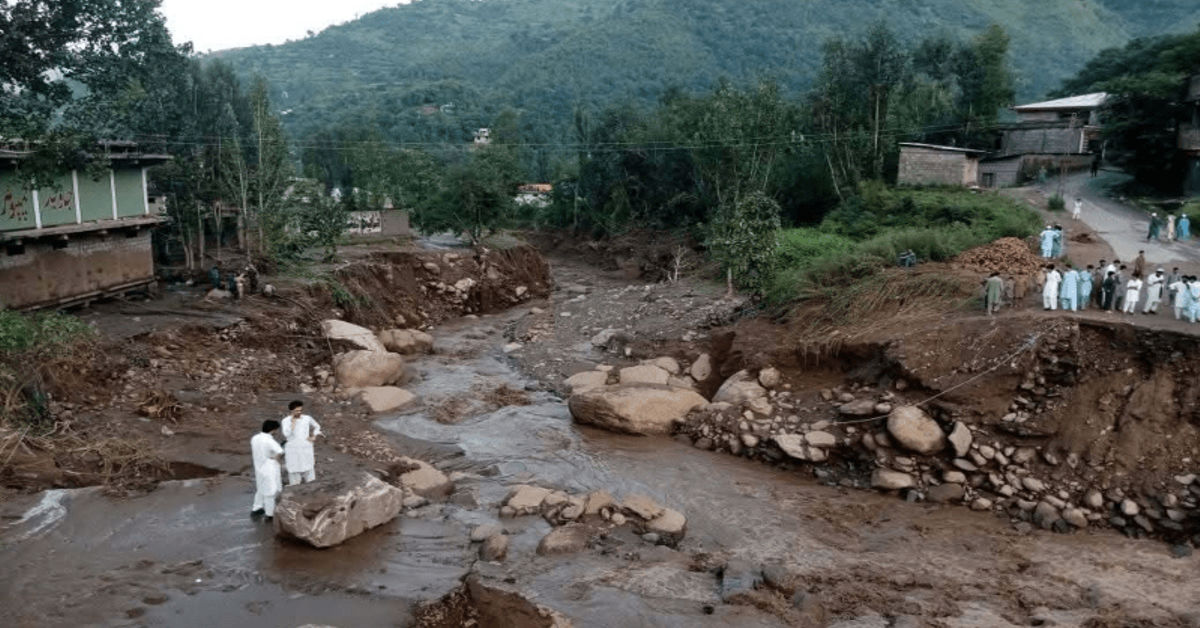
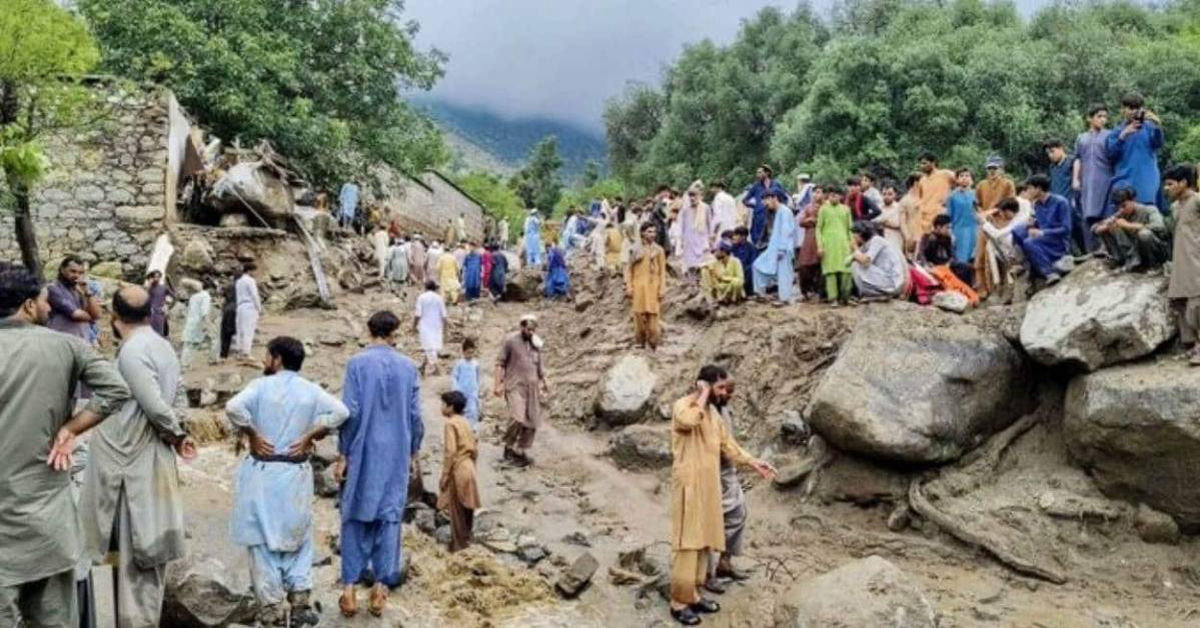
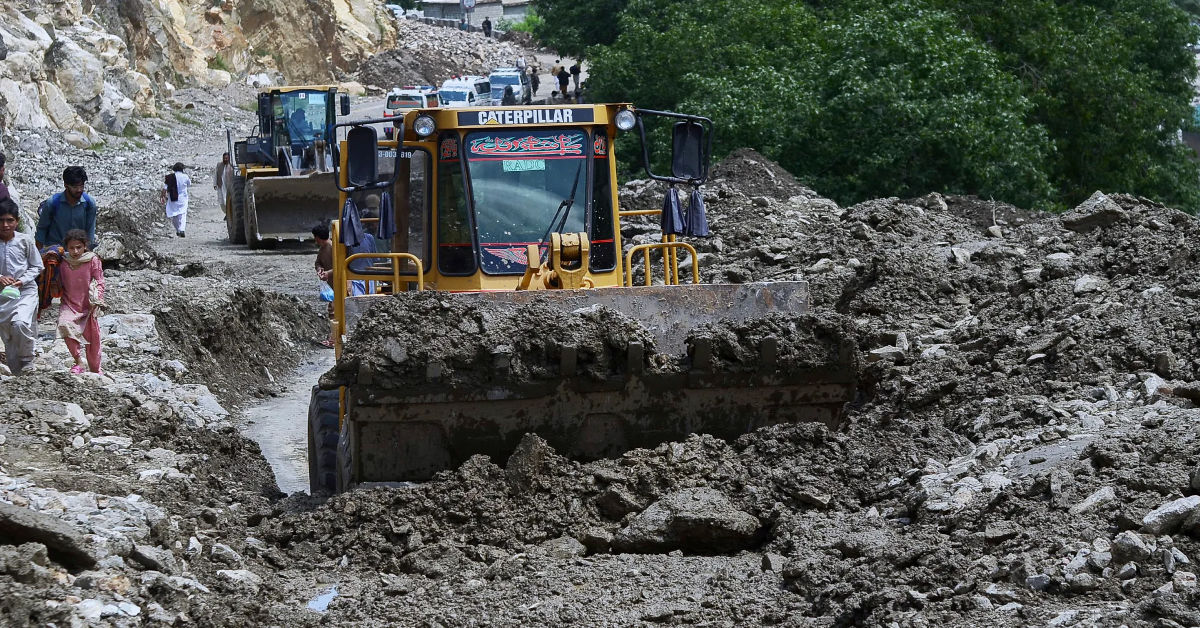
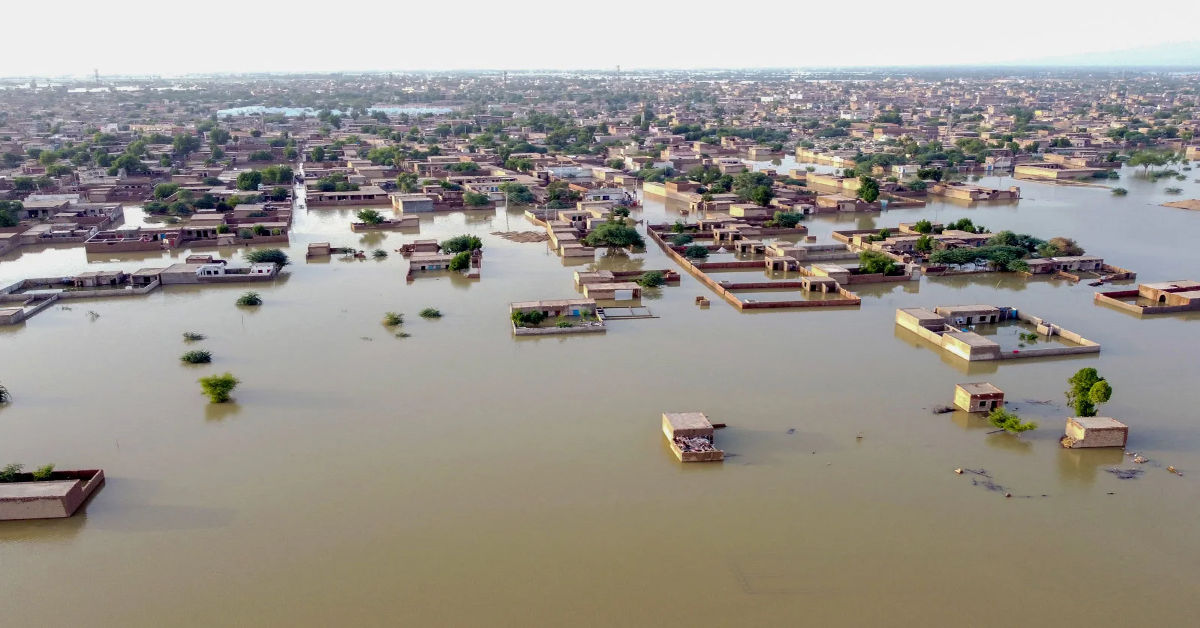
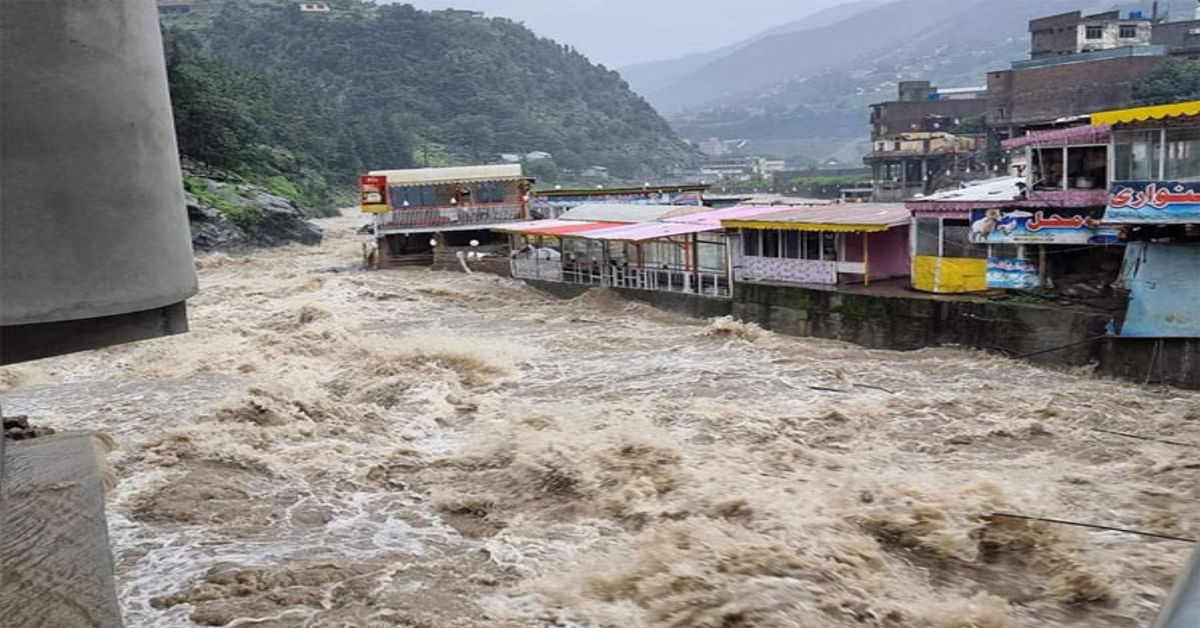
A flood wave that hit the beautiful Burundubar stream at Attabad Lake in Gilgit-Baltistan this week blocked all the land access to the famous Luxus Hunza Hotel. The melting of the surrounding glaciers triggered the tragedy, causing flooding that engulfed the region and left more than 160 tourists, including locals and foreigners, stranded in a scene of panic. The case starkly reminded people how climatic calamities have made mountainous areas increasingly vulnerable.
Rescue 1122 Units Acted Promptly to Evacuate the Tourists
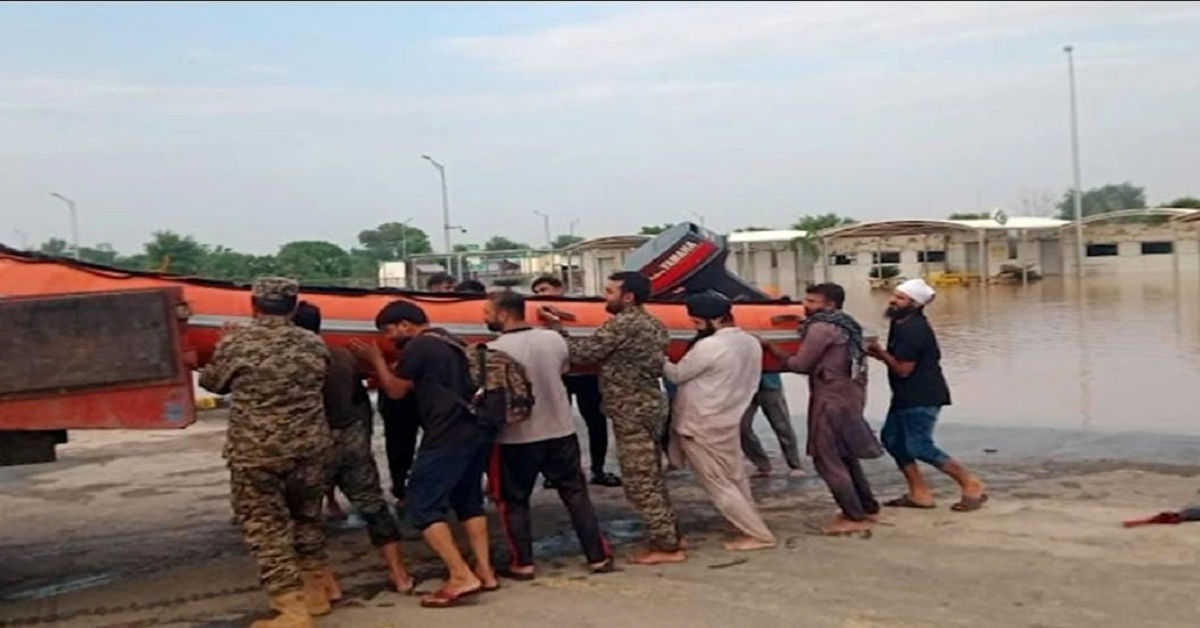
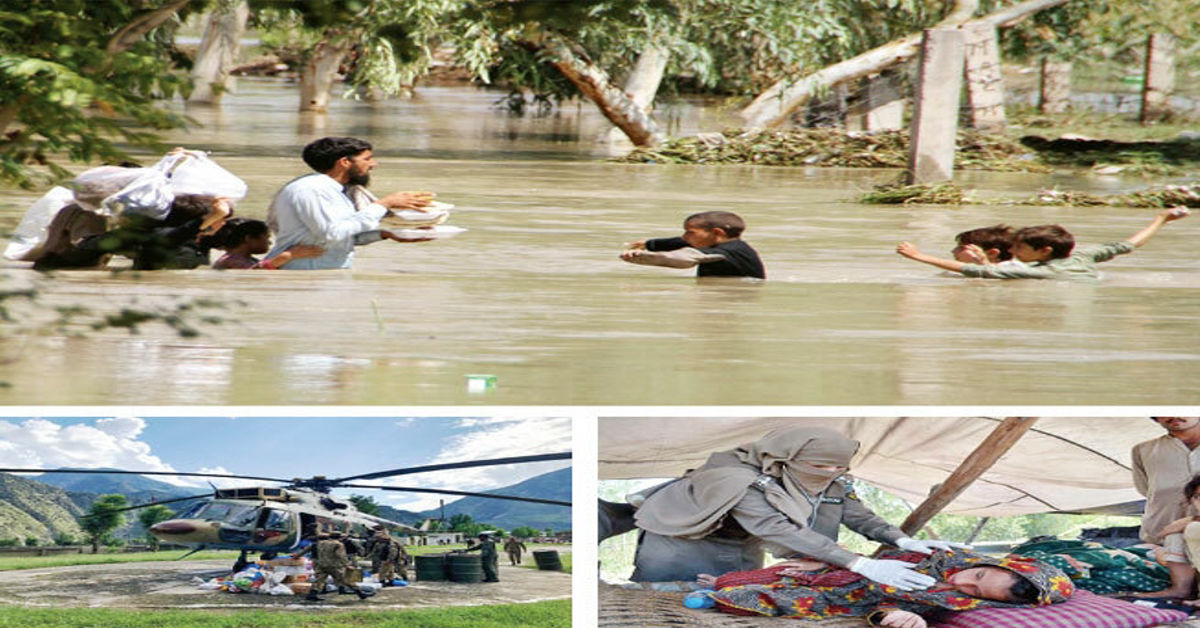
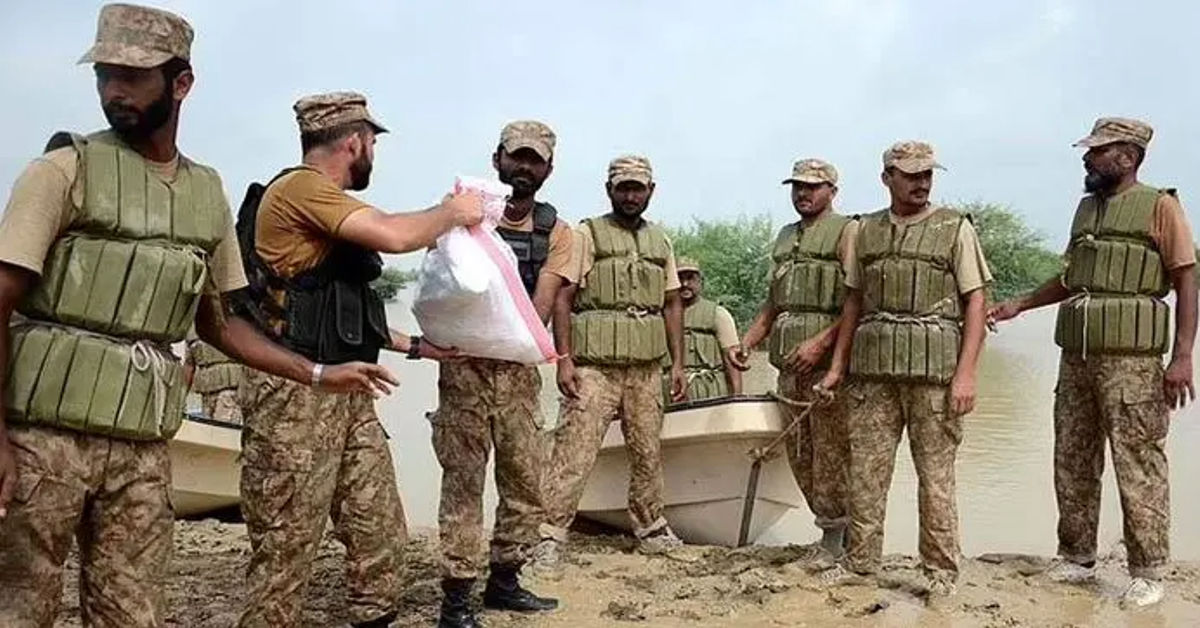
With prompt response to the emergency Rescue 1122 Gilgit-Baltistan branch organized a concerted evacuation operation. Boats were used to rescue safely the tourists in the flooded hotel terrain. Official Puerto Rico sources reported that there were no injuries during the evacuation of the 160 people; however, the stress and panic experienced by visitors was high. This evacuation shed light on the need to prepare emergency in outlying tourist destinations.
Panic Always After Flooding Waters
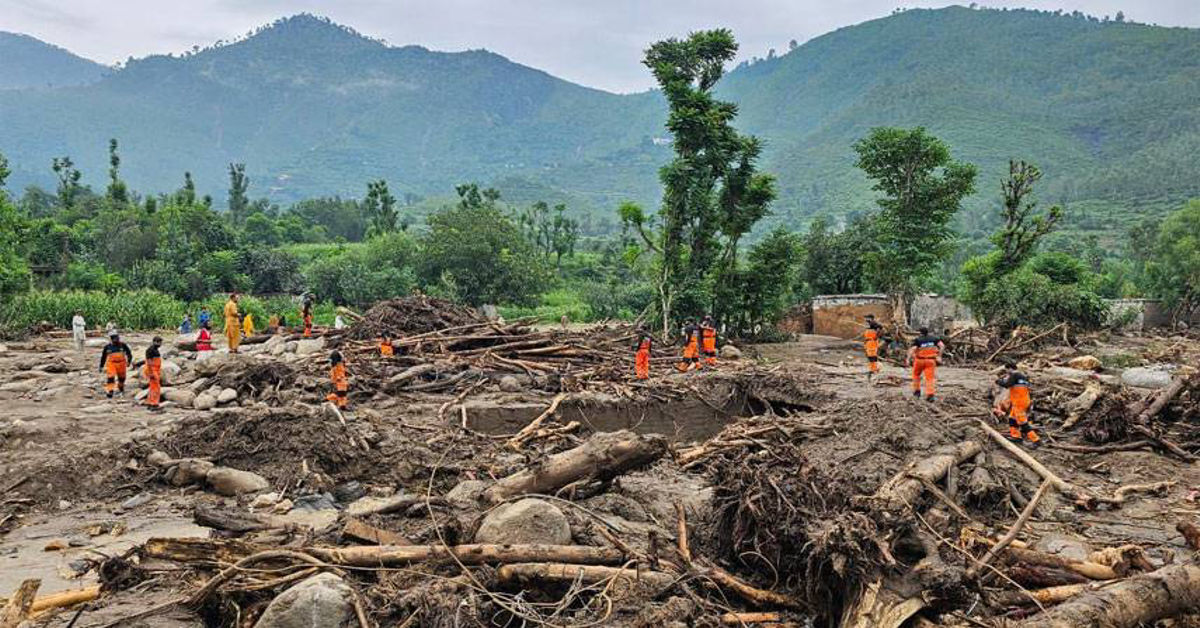
Eyewitnesses reported serious panic and chaos as rising water levels blocked many routes and terribly destroyed the area. The floodwater that was rising took down the surrounding trees and carried some sections of the soil leading to a chaotic situation. People who visited the place, being not experienced in this sort of natural disaster were in a dangerous position, and the hotel employees tried to keep everybody cool until the emergency rescue squad could get to the site.
Glacier-caused Flooding also Hits Skardu
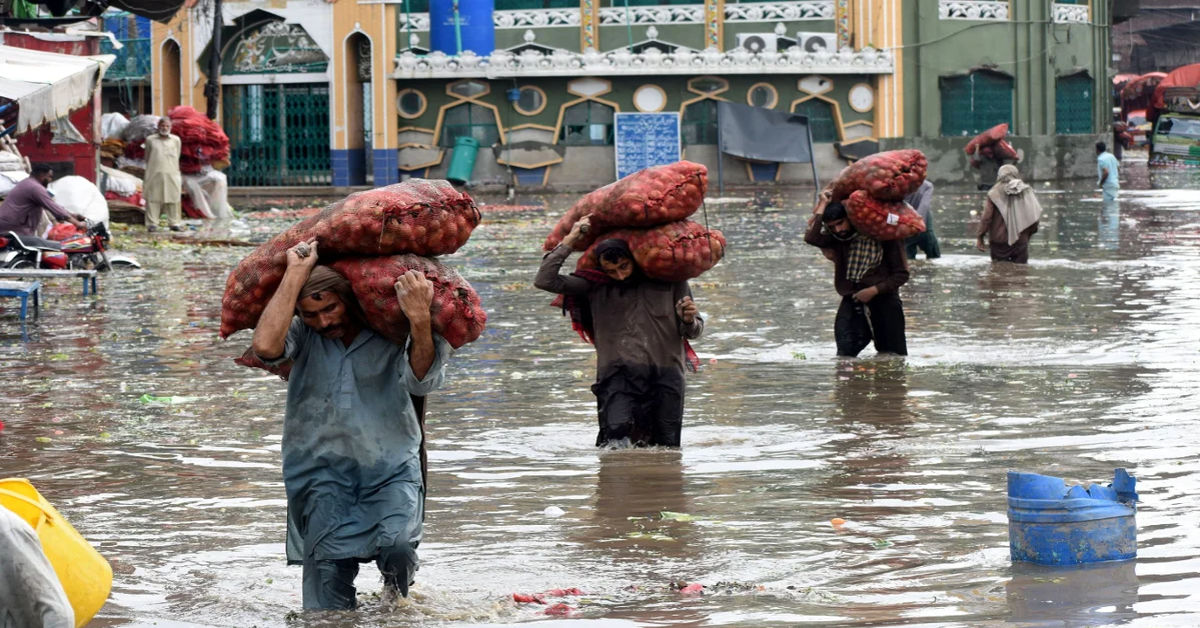
During the same process in Attabad, yet another glacier-fed stream-Barga Nallah in Skardu- also choked because of unusually high temperatures. Floodwater inundated people’s residences and agrarian land, resulting in significant loss of personal property and cultivated agricultural crops. The two incidences experienced in Gilgit-Baltistan indicated how communities have become vulnerable all the time during the hot summer seasons.
The Melting of Glaciers and Increase in Temperature
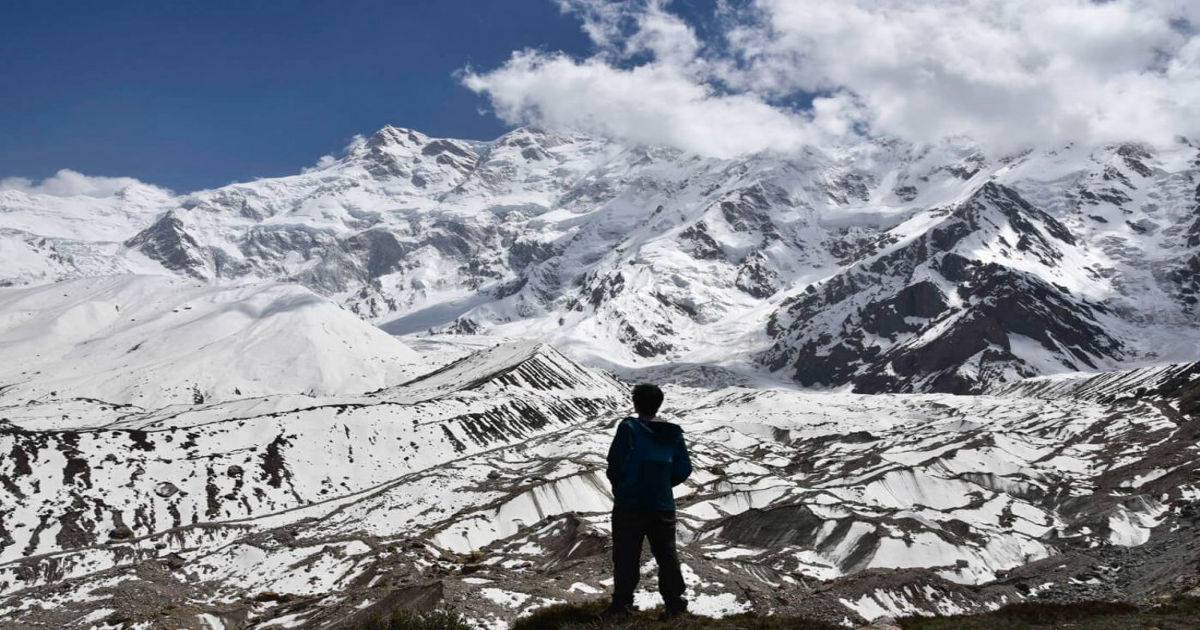
Environmental records and weather reports establish that high temperatures in the area are hastening the thawing of glaciers. Heatwaves have also grown in the recent past, thus increasing the volatility of glacial lakes as the meltwater runs at dangerous speeds into streams and rivers. Environmentalists and local officials have grown concerned that the region will soon experience regular climate-related emergencies unless someone takes action.
GBEPA Wakes up to Danger of Climate Change
It has been established by the Gilgit-baltistan Environmental Protection Agency (GBEPA) that there has been a sharp increase in past few years in glacier-related disasters. According to the authorities, the issue of melting glaciers is now one of the most potent environmental hazards to the region. The agency also points out that the fires are not the only ones of its nature, but indicative of a climate pattern that is getting worse with each passing year.
Problem of Longevity Risk to Tourism Market
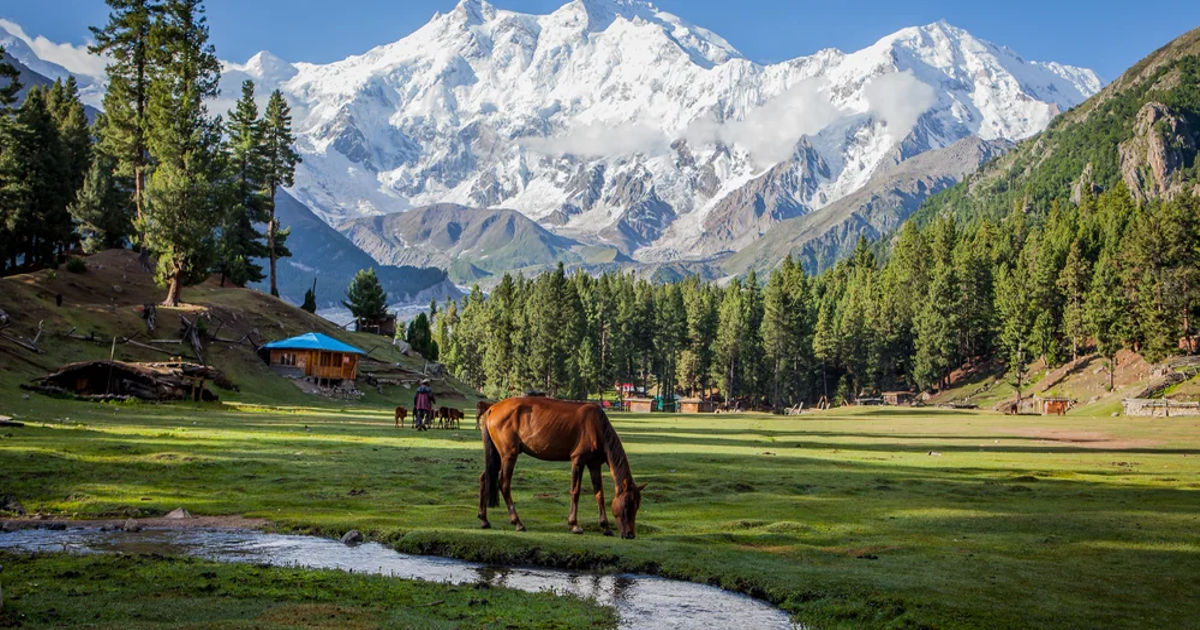
An important source of foreign exchange to Gilgit-Baltistan is tourism especially in such places as Hunza and Skardu. There are, however, phenomena that can discourage tourists and spoil the reputation of the region as good travel destinations, especially the recent flash floods. It is possible that the hotel owners, tour operators and local businesses will be taking a massive economic regression should these natural calamities keep occurring with an increased force.
Impact on Communities
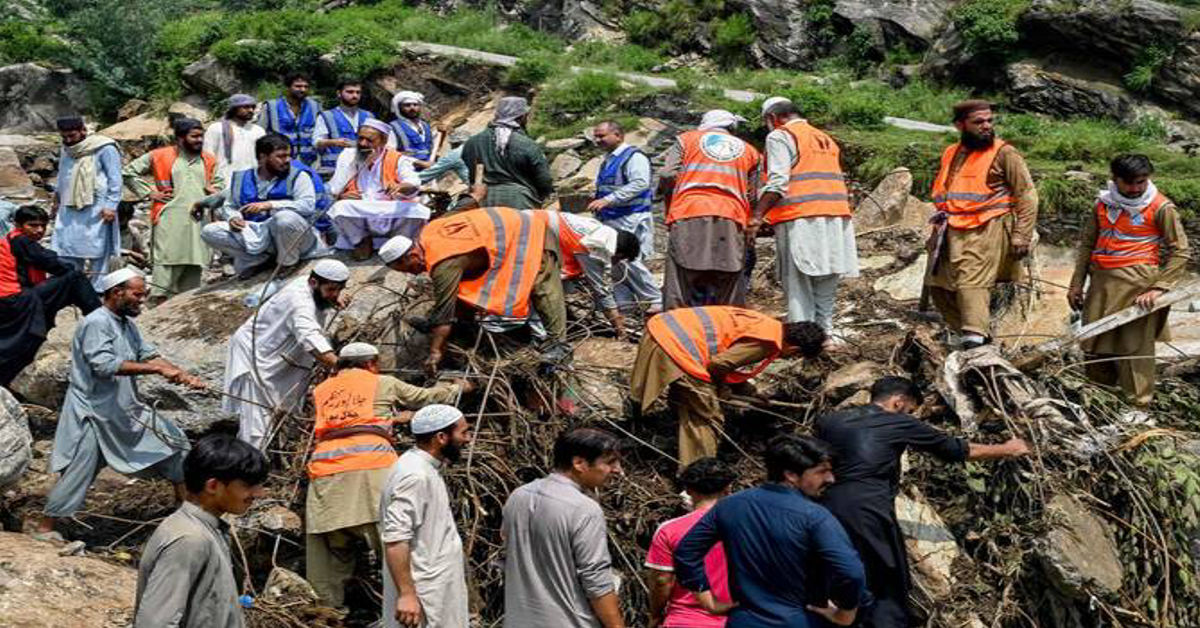
Rescue teams have carried out operations to save tourists and have taken them back to safety, while leaving local residents in the flood-affected regions to deal with the long-term repercussions on their own. In Skardu, residents are still trying to save their homes and belongings from the floodwaters and recover their sources of livelihood. These communities have very little infrastructure and limited funds and can thus not be in a good position to rebuild following such disastrous occurrences.
Specialists Demand Immediate Response
Policy-makers and climate experts are calling out in desperation to an improved system of disaster management in the face of the growing risk of glacier melt and flash floods. Other preventive policies proposed are building of early warning systems, improved urban planning in the risky areas, and more education of both locals and tourists. They warn without taking any pro-active action such incidences would be even more deadly and more frequent.
Conclusion
These latest flash flood incidents in the area around Attabad Lake and the simultaneous flooding in Skardu is not only a local problem, it is a dire health check of a greater environmental problem that is fast becoming visible not only across the Himalayan mountains but also other areas surrounding this region of the world. With glaciers melting at a very high rate, the lives of the residents and other people visiting are in danger. Such an occasion must serve as a wake-up call to authorities, organizations, and individuals to consider climate resilience a priority. There is still an opportunity to save the beauty of Gilgits and the people of Gilgit-Baltistan against the growing challenges of the climate change with the proper combination of science, policy, and community support.