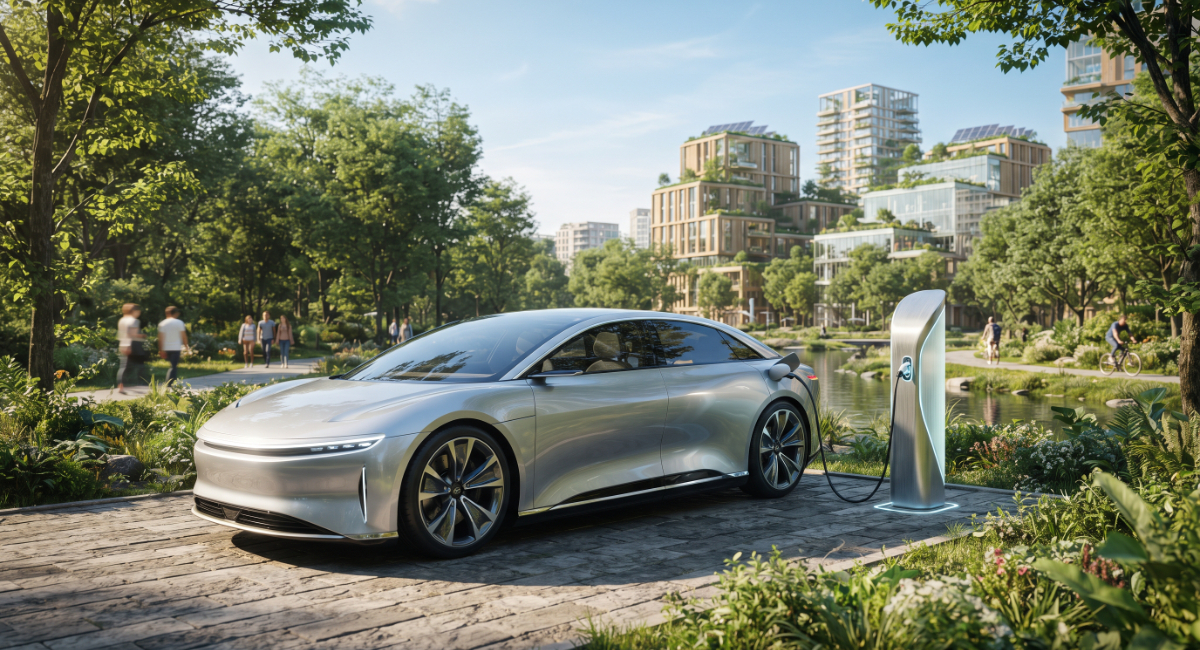
Electric Vehicles: The Future of Driving is more than just a trending topic—it reflects one of the biggest transformations in the automotive industry. As concerns about climate change, rising fuel prices, and environmental sustainability continue to grow, electric vehicles (EVs) have become a practical and innovative solution for modern transportation. Unlike traditional gasoline-powered cars, EVs run on rechargeable batteries, producing zero tailpipe emissions while offering a quieter and more efficient driving experience.
Governments, automakers, and consumers worldwide are investing heavily in electric mobility. Improved battery technology, expanding charging infrastructure, and supportive government policies have accelerated the adoption of EVs. Whether you are considering buying your first electric car or simply want to understand the future of transportation, this guide explains everything you need to know about electric vehicles, their benefits, challenges, and long-term impact.
What Are Electric Vehicles?
Electric vehicles are automobiles powered entirely or partially by electricity instead of conventional internal combustion engines. They use electric motors and rechargeable battery packs to provide smooth, efficient, and environmentally friendly transportation.
The main types of electric vehicles include:
Battery Electric Vehicles (BEVs)
These vehicles run entirely on electricity and require charging through external charging stations.
Plug-in Hybrid Electric Vehicles (PHEVs)
PHEVs combine an electric motor with a gasoline engine, allowing drivers to switch between electric power and fuel when needed.
Hybrid Electric Vehicles (HEVs)
Hybrid vehicles use both an internal combustion engine and an electric motor but recharge their batteries through regenerative braking rather than external charging.
Fuel Cell Electric Vehicles (FCEVs)
These vehicles generate electricity using hydrogen fuel cells and emit only water vapor.
Each type offers different advantages depending on driving habits, charging availability, and personal preferences.
Why Electric Vehicles: The Future of Driving Matters
The growing popularity of Electric Vehicles reflects a global shift toward cleaner transportation and sustainable mobility. As countries work to reduce greenhouse gas emissions and dependence on fossil fuels, electric vehicles have become an essential part of future transportation strategies.
Key reasons behind this transition include:
- Reduced carbon emissions.
- Lower fuel costs.
- Improved energy efficiency.
- Cleaner urban air.
- Reduced noise pollution.
- Lower maintenance requirements.
- Greater use of renewable energy.
- Technological innovation.
- Energy independence.
- Long-term environmental sustainability.
Electric vehicles not only benefit individual drivers but also contribute to healthier communities and a more sustainable future.
Benefits of Electric Vehicles
Electric vehicles provide numerous advantages that make them increasingly attractive to consumers.
Some of the most important benefits include:
Lower Running Costs
Electricity generally costs less than gasoline or diesel, helping reduce overall transportation expenses.
Environmentally Friendly
Zero tailpipe emissions help improve air quality and reduce pollution in cities.
Reduced Maintenance
Electric motors have fewer moving parts than traditional engines, resulting in lower maintenance costs.
Quiet Driving Experience
EVs produce minimal engine noise, creating a smoother and quieter ride.
Instant Torque
Electric motors deliver immediate acceleration, improving driving performance.
Government Incentives
Many countries offer tax credits, rebates, or financial incentives to encourage EV adoption.
These benefits continue to make electric vehicles an increasingly practical choice for both personal and commercial transportation.
Challenges Facing Electric Vehicle Adoption
Despite rapid growth, electric vehicles still face several challenges.
Common concerns include:
- Limited charging infrastructure.
- Higher initial purchase price.
- Charging time compared to fuel refilling.
- Battery replacement costs.
- Driving range anxiety.
- Limited charging access in rural areas.
- Battery recycling challenges.
- Electricity grid demands.
- Cold weather performance.
- Availability of charging stations during long-distance travel.
However, ongoing technological advancements continue to address many of these challenges through better batteries, faster charging systems, and expanded charging networks.
The Future of Electric Vehicles: The Future of Driving
The future of Electric Vehicles is closely connected with advancements in battery technology, renewable energy, artificial intelligence, and smart transportation systems. As innovation continues, electric mobility is expected to become more affordable, efficient, and accessible.
Future developments may include:
- Solid-state batteries.
- Ultra-fast charging technology.
- Longer driving ranges.
- Wireless charging systems.
- Vehicle-to-grid (V2G) technology.
- Autonomous electric vehicles.
- AI-powered energy management.
- Smart charging infrastructure.
- Renewable energy integration.
- Sustainable battery manufacturing.
These innovations will make electric transportation even more reliable while reducing environmental impact.
How to Choose the Right Electric Vehicle
Selecting the right EV depends on your driving habits, budget, and charging options.
Before buying, consider:
- Daily driving distance.
- Battery range.
- Charging availability.
- Home charging installation.
- Vehicle price.
- Warranty coverage.
- Maintenance requirements.
- Safety features.
- Technology features.
- Resale value.
Comparing multiple models helps buyers find the vehicle that best suits their lifestyle and transportation needs.
Tips for First-Time EV Owners
Owning an electric vehicle becomes easier with proper planning.
Helpful tips include:
- Install a home charging solution if possible.
- Plan charging stops for long trips.
- Use regenerative braking efficiently.
- Keep software updated.
- Monitor battery health.
- Understand charging connector types.
- Drive efficiently to maximize range.
- Use mobile charging apps.
- Follow manufacturer maintenance guidelines.
- Stay informed about local charging networks.
Developing these habits ensures a smooth ownership experience while maximizing battery performance and vehicle lifespan.
Conclusion
Electric Vehicles: The Future of Driving represent a major milestone in the evolution of transportation. By offering cleaner energy, lower operating costs, reduced emissions, and advanced technology, electric vehicles are reshaping how people travel while supporting global sustainability goals. Although challenges such as charging infrastructure and battery costs remain, rapid innovation continues to improve affordability, convenience, and performance. As governments, manufacturers, and consumers embrace electric mobility, EVs are expected to become the preferred choice for future transportation. Investing in electric vehicle technology today is not only a smart personal decision but also an important step toward building a cleaner, more sustainable future for generations to come.
Frequently Asked Questions (FAQs)
1. What is an electric vehicle?
An electric vehicle (EV) is a car or other automobile powered by one or more electric motors using rechargeable batteries instead of relying solely on gasoline or diesel engines.
2. Are electric vehicles better for the environment?
Yes. Electric vehicles produce zero tailpipe emissions, helping reduce air pollution and greenhouse gas emissions while supporting cleaner transportation.
3. How long does it take to charge an electric vehicle?
Charging time depends on the charger type and battery capacity. Fast chargers can significantly reduce charging time compared to standard home charging systems.
4. How far can an electric vehicle travel on a single charge?
Driving range varies by model, battery size, weather conditions, and driving habits. Many modern EVs can travel several hundred kilometers on a full charge.
5. Are electric vehicles expensive to maintain?
Generally, electric vehicles require less maintenance because they have fewer moving parts, no engine oil changes, and reduced wear on braking systems due to regenerative braking.
6. Why are electric vehicles considered the future of driving?
Electric vehicles combine environmental sustainability, energy efficiency, technological innovation, and lower operating costs, making them a key part of the global transition toward cleaner and smarter transportation.