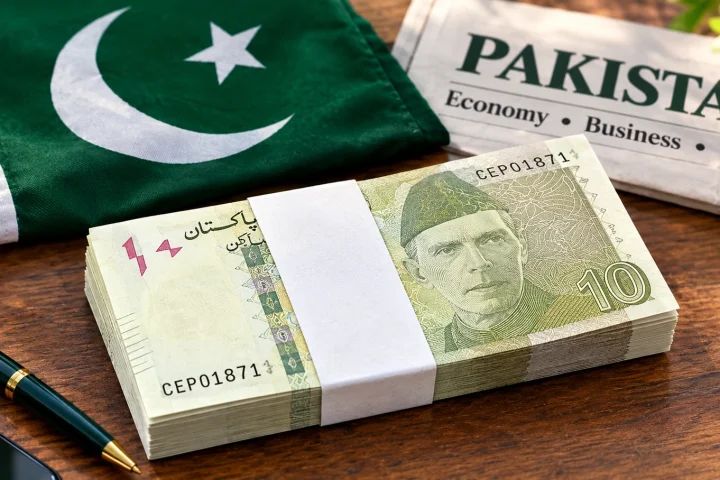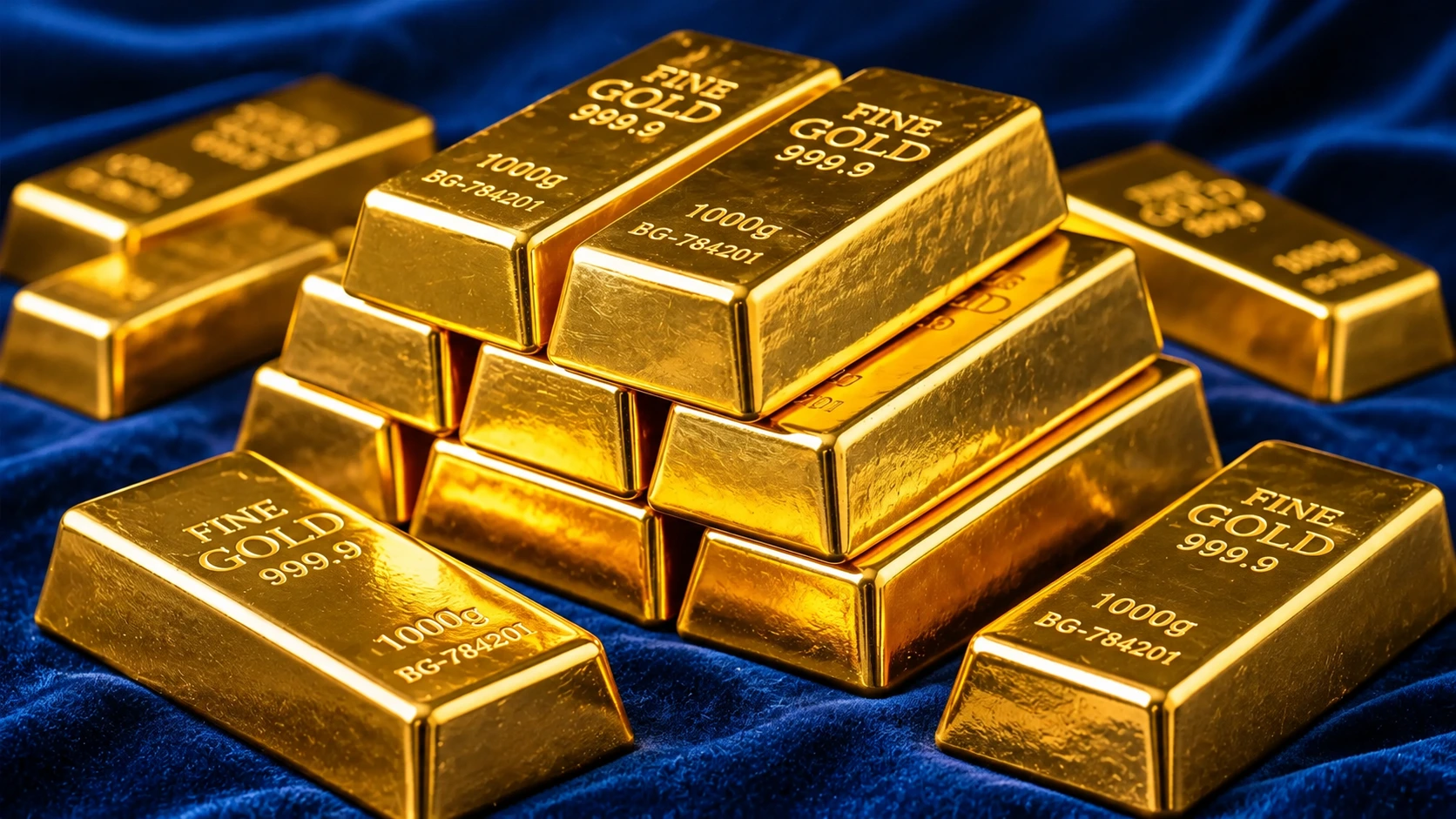
Friday morning, jewellers across Pakistan’s bullion markets wrote down a number that was a little lower than the one they’d been quoting. A tola of 24 karat gold lost Rs5,100 and settled at Rs420,536, according to the All Pakistan Sarafa Gems and Jewellers Association. If you’ve been putting off a wedding purchase, or you hold some gold and keep wondering when the run will end, you probably stopped scrolling at that headline. Is this the moment to buy? Or the first crack?
Neither answer comes easily, so let’s look at what actually happened.
The Numbers Behind the Headline
Rs5,100 sounds like a lot until you divide it. It’s about 1.2 percent of the previous rate. Now look abroad. The international price fell $51 to $3,980 per ounce, roughly 1.3 percent. Almost the same move.
That similarity is the real story. The gold rate in Pakistan isn’t decided in Sarafa Bazaar by local mood. It starts with the global ounce price, gets multiplied by the dollar rate, and then picks up whatever premium dealers add. When the local number drops in step with the world number, the push came from outside.
The rest of the rate card tells the same tale. Ten grams of 24 karat gold fell Rs4,373 to Rs360,541. Ten grams of 22 karat gold lost Rs4,009 and now sits at Rs330,507. Silver went the same direction: a tola slipped Rs238 to Rs5,530, while the global silver price eased by $2.38 to $50.52 an ounce.
Here’s a rough check you can do on a napkin. A tola is about 0.375 of a troy ounce, so at $3,980 the raw global value of one tola is around $1,490. Convert that into rupees, add the dealer’s margin, and you end up near Rs420,000. It’s an approximation, but it shows how tightly the two are tied. If you want a feel for tomorrow’s gold price in Pakistan, the dollar and the global ounce are better guides than any local gossip.
Why Gold Slipped
The association’s report doesn’t say why the global price fell, and nobody can name one single cause with confidence. What we can say is that a $51 drop usually has familiar fingerprints.
Interest rates come first. Gold pays you nothing for holding it, so when investors expect rates to stay high, or the dollar firms up, bonds and cash start to look better. Even a small change in that mood can send sellers to the exit.
Then there’s plain profit booking. Gold near $4,000 an ounce is a long way above where it traded a few years back. Funds that bought early like to take some money off the table after a climb like that, and the selling can push prices down for a day or two with no deeper meaning.
And risk appetite plays its part. Gold tends to shine when markets are nervous. Once the nerves settle, some of that money drifts back into shares and other assets. Silver, which is also used in industry, often follows along, as it did on Friday.
If you’d like to dig into what moves demand from central banks, jewellery buyers and investors, the World Gold Council keeps a solid public archive on its Goldhub data portal. It’s about as neutral a source as you’ll find.
Why This Matters in a Pakistani Household
Elsewhere, gold is a line on an investment statement. Here it’s savings, insurance and obligation all at once. Families buy it for weddings, hand it down, and hold it because the rupee has a habit of losing value. So when someone asks for the gold price today, they’re rarely playing the market. They’re usually working out a wedding date, a dowry budget, or an emergency fund.
That changes how Rs5,100 feels. A family buying five tola saves about Rs25,500 against yesterday’s rate. That’s catering for a small gathering, or a month’s rent in plenty of cities. Meanwhile the goldsmith across the counter is thinking differently. Customers wait for further drops, and the stock on his shelf was bought at higher rates.
There’s another layer. Over the years, gold has protected Pakistani savers partly because the rupee weakened, so the local price often rose even when the global price stood still. One down day doesn’t erase that. It just reminds us that the shield isn’t a staircase that only goes up.
Reading the Market Like a Professional
Ask a veteran bullion trader about a single day’s move and you’ll probably get a shrug. A few of their habits are worth borrowing.
First, tell the trend from the noise. One bad session inside a long climb is routine. The question is whether prices keep sliding for weeks and break through levels where buyers used to show up.
Second, look at the exchange rate before you look at the gold chart. If the dollar weakens against the rupee while global gold stays flat, the local price can fall anyway. People who only follow the ounce price misjudge the local rate all the time.
Third, mind the making charges. The quoted rate is for pure metal. Jewellery adds making charges and sometimes wastage deductions, and together they can swallow a good part of any saving. Ask for a written breakdown and compare at least two shops.
Fourth, don’t buy it all in one go. Spreading purchases over several weeks protects you from the sting of buying just before another fall, and from watching a rebound while you hesitate.
Finally, be honest about what you’re buying. Coins and bars carry smaller premiums and are easier to sell near the market rate, which suits saving. A bridal set is something you’ll love, but part of its price vanishes in making charges the moment you walk out of the shop.
What Could Happen Next
Anyone who promises to know where gold goes from here is guessing. Still, a few things will shape the coming months.
Global monetary policy matters most. If central banks hint at rate cuts, gold usually finds support. If they keep rates high for longer, the pressure may continue. Statements from the US Federal Reserve, along with commentary from the International Monetary Fund on its official website, give a useful read on that outlook.
Central bank buying is another. Over recent years, many emerging market central banks have been quietly adding gold to their reserves. That steady demand tends to act as a floor, which is one reason analysts hesitate to call a lasting turn from one weak session.
Pakistan’s own numbers count too. The rupee, inflation and the policy rate all change how people value gold at home. The State Bank of Pakistan publishes exchange rate data and monetary policy statements on its official site, and they deserve a look before any big purchase.
And don’t forget the calendar. Winter is wedding season in Pakistan, and buying usually picks up. A late October dip may not last if demand returns before the market cools further.
So, Should You Buy?
I can’t give financial advice, and your answer depends on your budget, your timeline and how much risk you can stomach. But some things follow from the evidence.
If a wedding or another planned purchase is two or three months away, today’s lower rate is a fair moment to buy part of what you need. Waiting for a bigger fall is a gamble. If you’re saving for years rather than months, a 1 percent daily dip isn’t a signal by itself. Judge it against where gold stood a year ago and why you wanted it in the first place.
Sellers should remember that dealers quote a buying rate below their selling rate, and the gap can be wide. Selling because of one headline is a classic mistake, especially when you bought the gold for security.
Whatever you do, check the gold rate in Pakistan today with more than one trusted source, confirm the karat and weight in front of you, and keep your receipt.
The Bigger Picture
Friday’s decline looks more like a pause than a verdict. The local price followed the global price, the global price followed shifting hopes about money and risk, and Pakistani buyers stand at the far end of that chain, carrying their own mix of tradition and necessity.
Gold rewards patience and punishes impulse. People who do well with it usually decide why they’re buying first, then watch the dollar and the global ounce, and let the daily rate help them pick a moment instead of making the decision for them.