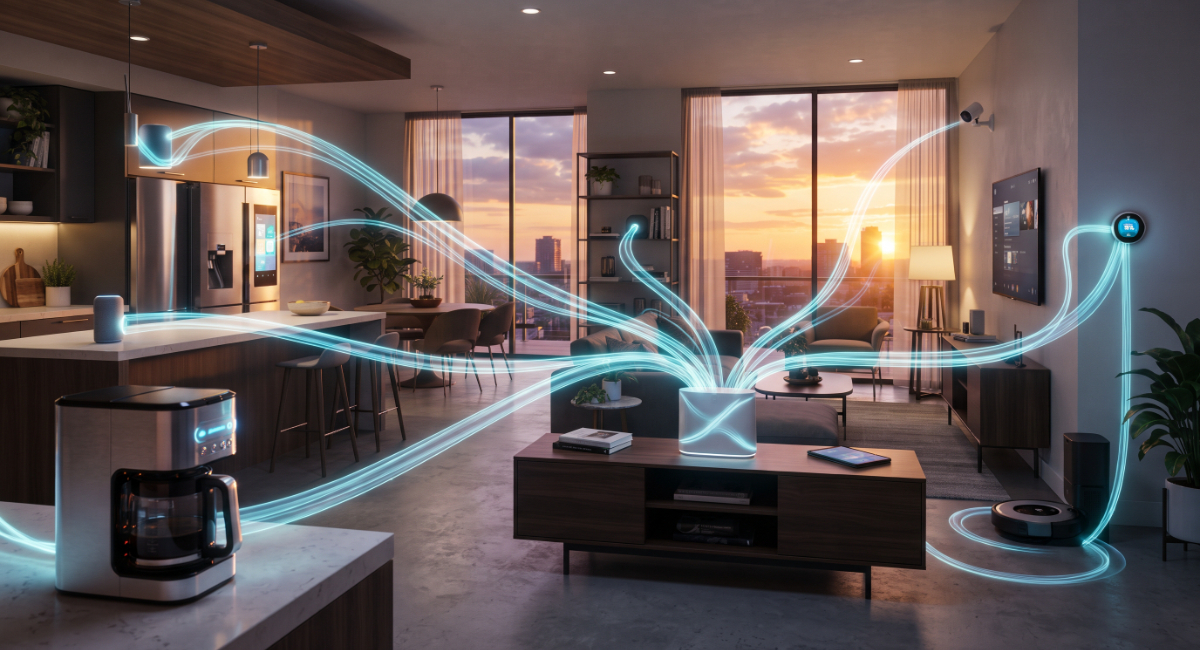
The Internet of Things (IoT) is transforming the way people interact with technology by connecting everyday devices to the internet. From smart homes and wearable fitness trackers to connected vehicles and industrial automation, IoT has become a key driver of digital innovation. These connected devices communicate with each other, collect real-time data, and perform tasks with minimal human intervention, making daily life more convenient and efficient.
As businesses and consumers increasingly rely on automation and data-driven solutions, IoT continues to reshape industries such as healthcare, manufacturing, agriculture, transportation, and retail. With advancements in cloud computing, artificial intelligence (AI), 5G networks, and edge computing, IoT is expected to play an even greater role in the future. Understanding how IoT works and where it is used can help individuals and organizations make informed decisions in an increasingly connected world.
What Is the Internet of Things (IoT)?
The Internet of Things refers to a network of physical devices that are connected to the internet and can exchange data without constant human involvement. These devices use sensors, software, wireless connectivity, and cloud-based platforms to collect, process, and share information.
Common IoT devices include:
- Smart home appliances.
- Smart thermostats.
- Security cameras.
- Wearable fitness trackers.
- Smartwatches.
- Connected cars.
- Industrial sensors.
- Smart lighting systems.
- Medical monitoring devices.
- Agricultural monitoring equipment.
The main goal of IoT is to improve efficiency, automate routine tasks, reduce operational costs, and provide valuable insights through real-time data collection.
How Internet of Things (IoT) Works
The Internet of Things (IoT) operates through a combination of hardware, software, internet connectivity, and intelligent data processing. Multiple technologies work together to create seamless communication between connected devices.
Sensors and Devices
IoT devices use sensors to collect information such as temperature, movement, humidity, location, pressure, and energy consumption.
Internet Connectivity
Collected data is transmitted through Wi-Fi, Bluetooth, cellular networks, Ethernet, or 5G technology to cloud-based systems.
Cloud Computing
Cloud platforms securely store and process massive amounts of information generated by connected devices.
Data Analytics
Advanced analytics transform raw data into meaningful insights that help users make informed decisions.
User Interface
Users access IoT systems through smartphones, tablets, computers, or dedicated applications that allow monitoring and remote control.
This continuous cycle of data collection, transmission, processing, and action makes IoT systems highly efficient and responsive.
Benefits of the Internet of Things
The growing adoption of IoT offers significant advantages for individuals, businesses, and governments.
Major benefits include:
Increased Automation
Connected devices can perform repetitive tasks automatically, reducing manual effort.
Better Efficiency
Businesses optimize operations through real-time monitoring and predictive maintenance.
Improved Decision-Making
Real-time data enables organizations to make faster and more informed decisions.
Cost Savings
Automation helps reduce operational expenses, energy consumption, and equipment downtime.
Enhanced Customer Experience
Businesses can personalize services based on customer preferences and usage patterns.
Improved Safety
IoT sensors detect potential problems early, improving workplace safety and reducing risks.
Better Resource Management
Smart systems help manage electricity, water, transportation, and other resources more efficiently.
These benefits continue to drive IoT adoption across nearly every major industry.
Real-World Applications of IoT
The Internet of Things is no longer a futuristic concept—it has become part of everyday life. Organizations around the world are using IoT to improve productivity, convenience, and sustainability.
Some of the most common applications include:
Smart Homes
Smart lighting, connected security systems, voice assistants, and intelligent appliances improve comfort, convenience, and energy efficiency.
Healthcare
Wearable devices, remote patient monitoring, smart medical equipment, and connected healthcare systems improve patient care and support telemedicine.
Manufacturing
Industrial IoT enables predictive maintenance, equipment monitoring, quality control, and factory automation.
Agriculture
Farmers use smart sensors to monitor soil moisture, weather conditions, irrigation systems, and crop health, improving agricultural productivity.
Transportation
Connected vehicles, intelligent traffic management systems, GPS tracking, and fleet management solutions enhance road safety and operational efficiency.
Retail
Retailers use IoT for inventory management, smart shelves, customer analytics, and automated checkout systems, improving the shopping experience.
These practical applications demonstrate how IoT continues to create smarter, more connected environments across industries.
Future of Internet of Things (IoT)
The future of the Internet of Things (IoT) is incredibly promising as new technologies continue to enhance connectivity, automation, and data intelligence. With the rapid growth of Artificial Intelligence (AI), Machine Learning (ML), 5G networks, edge computing, and cloud services, IoT ecosystems are becoming smarter, faster, and more secure.
Some emerging trends include:
AI-Powered IoT
Artificial Intelligence enables IoT devices to analyze data, recognize patterns, and make intelligent decisions without constant human involvement.
5G Connectivity
The rollout of 5G networks provides higher speeds, lower latency, and improved reliability, allowing billions of connected devices to communicate seamlessly.
Edge Computing
Instead of sending all data to the cloud, edge computing processes information closer to the device, improving response times and reducing bandwidth usage.
Smart Cities
Governments are investing in IoT-powered traffic management, smart street lighting, waste management, environmental monitoring, and public safety systems to create more efficient urban environments.
Smart Healthcare
Future healthcare systems will increasingly rely on connected medical devices, wearable technology, remote patient monitoring, and AI-assisted diagnostics to improve healthcare delivery.
As businesses continue adopting digital transformation strategies, IoT will remain one of the driving forces behind innovation across nearly every sector.
Challenges and Security Concerns
Although IoT offers remarkable benefits, it also presents several challenges that organizations and consumers must address.
Some of the most common challenges include:
Cybersecurity Risks
Connected devices can become targets for hackers if proper security measures are not implemented.
Data Privacy
IoT devices collect significant amounts of personal and business information, making data protection a top priority.
Device Compatibility
Different manufacturers often use different communication standards, creating integration challenges.
High Implementation Costs
Large-scale IoT deployments may require substantial investment in infrastructure, software, and maintenance.
Network Reliability
Stable internet connectivity is essential for uninterrupted IoT performance.
Power Management
Battery-powered devices require efficient energy management to maximize lifespan.
To overcome these challenges, organizations should implement strong encryption, regular software updates, secure authentication methods, and continuous network monitoring.
Best Practices for Implementing IoT
Whether you are a business owner or an individual user, following best practices helps maximize the benefits of IoT while reducing potential risks.
Recommended practices include:
- Use strong and unique passwords.
- Enable multi-factor authentication whenever available.
- Keep device firmware updated.
- Purchase devices from reputable manufacturers.
- Regularly monitor connected devices.
- Encrypt sensitive information.
- Secure home and business Wi-Fi networks.
- Remove unused connected devices.
- Back up important data regularly.
- Stay informed about the latest cybersecurity threats.
Adopting these habits helps create a safer and more reliable connected environment.
Conclusion
The Internet of Things (IoT) has become one of the most influential technologies of the digital era, connecting billions of devices and transforming the way people live and work. From smart homes and healthcare to manufacturing, agriculture, transportation, and smart cities, IoT is driving greater efficiency, automation, and innovation across industries. While challenges such as cybersecurity, privacy, and infrastructure remain, continuous advancements in Artificial Intelligence, cloud computing, edge computing, and 5G technology are making IoT more secure and capable than ever before. As connected devices continue to evolve, understanding IoT will be essential for individuals, businesses, and governments seeking to thrive in an increasingly digital and interconnected world.
Frequently Asked Questions (FAQs)
1. What is the Internet of Things (IoT)?
The Internet of Things (IoT) is a network of physical devices connected to the internet that collect, exchange, and analyze data to automate tasks and improve efficiency.
2. How does IoT work?
IoT works by using sensors, internet connectivity, cloud computing, and software to collect data from connected devices, process it, and perform automated actions or provide useful insights.
3. What are some examples of IoT devices?
Common examples include smart thermostats, fitness trackers, smartwatches, connected security cameras, smart speakers, smart lighting systems, connected vehicles, and industrial sensors.
4. What are the benefits of IoT?
IoT improves automation, increases efficiency, reduces operational costs, enables real-time monitoring, enhances decision-making, and supports better resource management.
5. Is IoT secure?
IoT can be secure when devices are properly configured, regularly updated, protected with strong passwords, and connected through secure networks. However, cybersecurity remains an important consideration.
6. What is the future of IoT?
The future of IoT includes deeper integration with Artificial Intelligence, 5G networks, edge computing, smart cities, autonomous systems, and connected healthcare, creating more intelligent and efficient digital ecosystems.