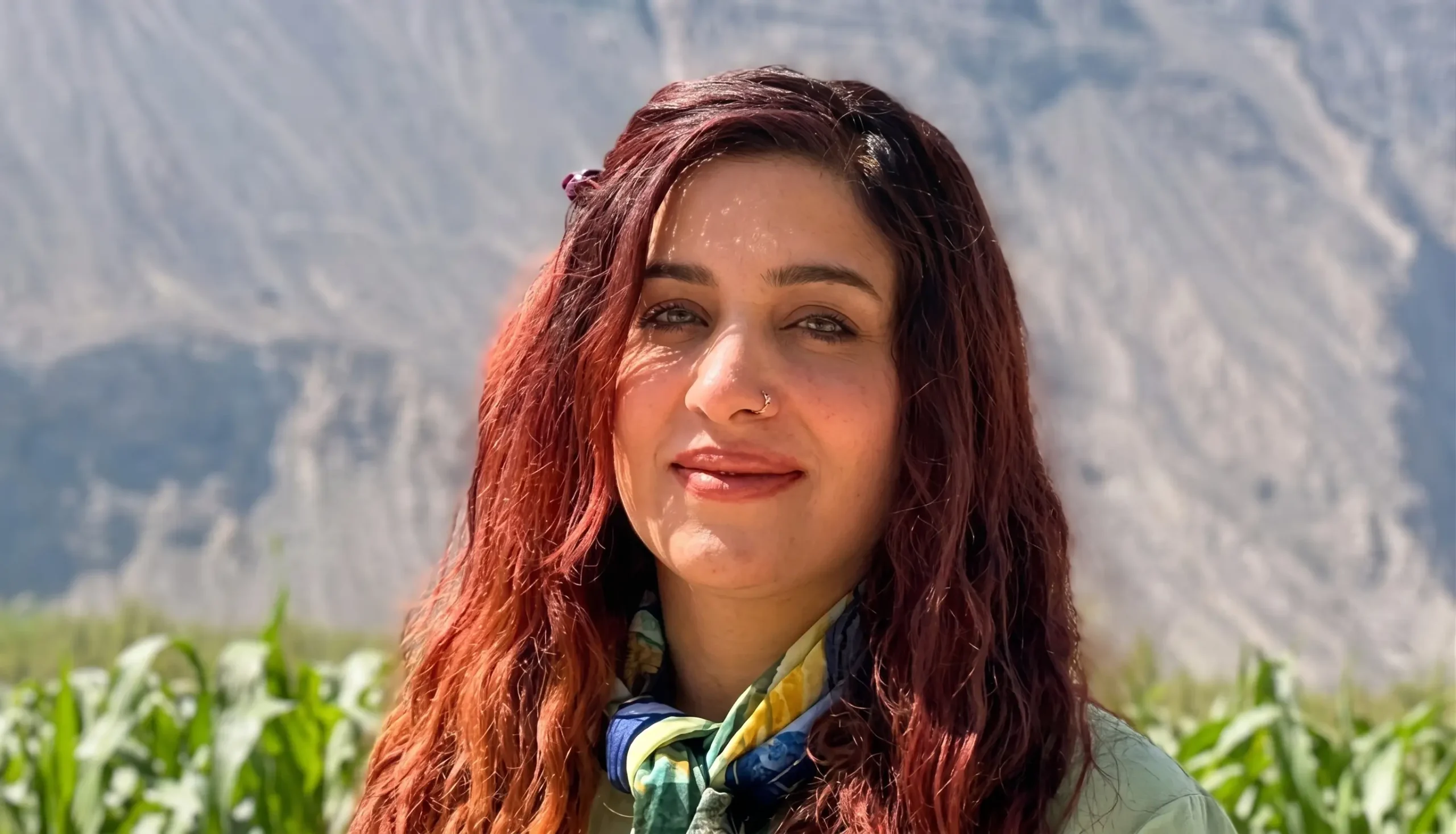
Pakistan has lost a brave climber. Dr. Asma Mushtaq, a well-known Pakistani mountaineer, died while coming down from Spantik peak. Her death has left the mountaineering community in deep shock. Fans and fellow climbers are mourning her loss online.
Asma was not just a mountaineer. She was also a doctor. She worked in the United Kingdom in maternity care. She loved to travel and share her adventures on social media. Many people knew her as a travel vlogger who explored Pakistan’s northern mountains with joy and passion.
What Happened on Spantik
Spantik is a tall mountain. It stands at 7,027 metres in the Karakoram range in Gilgit-Baltistan. Climbing it is not an easy task. It takes strength, training, and courage.
According to the Alpine Club of Pakistan, Asma reached the summit of Spantik successfully. She was in good health at that time. Her guide, Akbar Ali, was with her during the climb. Everything seemed to be going well.
But the real danger began on the way down. While descending, at a height of about 6,400 metres, Asma suddenly felt unwell. Her body could not handle the extreme altitude anymore. This is a common problem in high mountains, where the air has very little oxygen.
Her mountain guides acted fast. They gave her medical help right away. They tried their best to save her life in very tough conditions. Sadly, she could not survive the emergency. The Alpine Club of Pakistan confirmed her death and shared condolences for her family.
Understanding High-Altitude Sickness
Doctors say high-altitude sickness is not a simple health issue. It happens when a person climbs too fast to a great height. The body does not get enough time to adjust to low oxygen levels. This can affect the brain and lungs. In serious cases, it can turn deadly within hours.
Climbers usually need extra days to adjust their bodies before going higher. Even trained athletes can suffer from this problem. It does not matter how fit or experienced a climber is. The mountains can be unpredictable. Many trekking guides recommend a simple rule: climb slowly, rest often, and listen to your body’s warning signs.
You can read more about this condition on trusted health platforms like the Mayo Clinic, which explains the symptoms and risks in an easy and clear way.
Who Was Asma Mushtaq?
Asma Mushtaq was born on February 7, 1992. She belonged to Lahore. She later moved to the United Kingdom, where she built her career as a doctor. She specialised in obstetrics and gynaecology, which means she helped mothers and children.
Along with her medical job, mountaineering was her true passion. She had already completed a winter climb of Musa Ka Musalla, a peak of 4,076 metres. She had also taken part in other tough expeditions before attempting Spantik.
Many people say she had big dreams. In 2024, she had shared her wish to climb K2 one day. K2 is one of the hardest peaks in the world. Her passion for mountains was clear in every trip she shared online.
The Rescue and Recovery Effort
After her death, Karakoram Calling Treks, the trekking company handling her expedition, confirmed the sad news. They said her guides tried everything possible to help her. But the extreme weather and thin air made the rescue extremely hard.
A team of local climbers was later sent to Spantik to bring her body back. Reports say her family reached Skardu to complete the next steps. Officials are working on airlifting her body from the base camp so she can be laid to rest.
This tragedy comes only weeks after another sad mountain accident. In July, ten international climbers died in an avalanche on Broad Peak, another famous peak in the same region. That accident shocked the whole climbing world too. It shows how dangerous high-altitude climbing can be, even for experienced mountaineers.
Tributes Pour In
Since the news broke, social media has been full of tributes. Fellow climbers, doctors, and fans have shared kind words about Asma. Many called her brave, kind, and full of life. Her love for nature inspired many young people, especially women, to try outdoor adventures.
People are also praising her guides for trying their best to save her. Mountain rescue in such remote areas is never easy. Guides often risk their own safety to help climbers in danger.
Why This Story Matters
Stories like this remind us how risky mountain climbing can be. Even with proper training, nature can be harsh. Reaching a summit is only half the journey. Coming back down safely is just as important, and sometimes even harder.
Experts always suggest that climbers should not rush their descent. A simple pause to rest, or a slow and steady pace, can save lives. Oxygen levels drop fast at extreme heights, and the body needs time to adjust.
Organisations like the Alpine Club of Pakistan continue to support climbers through training and safety guidance. You can check general mountaineering safety tips on platforms like the UIAA (International Climbing and Mountaineering Federation), which shares useful advice for climbers of all levels.
FAQs
Q1. Who was Asma Mushtaq?
She was a Pakistani mountaineer and doctor from Lahore who worked in the UK and loved climbing and travel vlogging.
Q2. How did Asma Mushtaq die?
She suffered a serious high-altitude medical emergency while descending Spantik peak at about 6,400 metres.
Q3. What is Spantik peak?
Spantik is a 7,027-metre mountain located in the Karakoram range in Gilgit-Baltistan, Pakistan.
Q4. Did Asma Mushtaq reach the summit before she died?
Yes, she successfully reached the summit and was in good health before the emergency occurred during her descent.