A wall of mud and water hit the Nepal-China border on Wednesday. It swept away homes, roads, and bridges in minutes. The disaster struck near the Rasuwagadhi crossing, a busy trade and travel route between Nepal and Tibet.
Hundreds of people are dead. Over a thousand are still missing. Rescue teams are working around the clock in both countries. This flood is now one of the worst disasters to hit the region in years.
Here is a full, easy-to-follow report on what happened, why it happened, and what comes next.
What Happened at the Nepal-China Border
The flood hit early Wednesday morning. Villages along the Bhote Koshi and Trishuli rivers were hit hardest. Nepal’s Rasuwa district took the biggest blow.
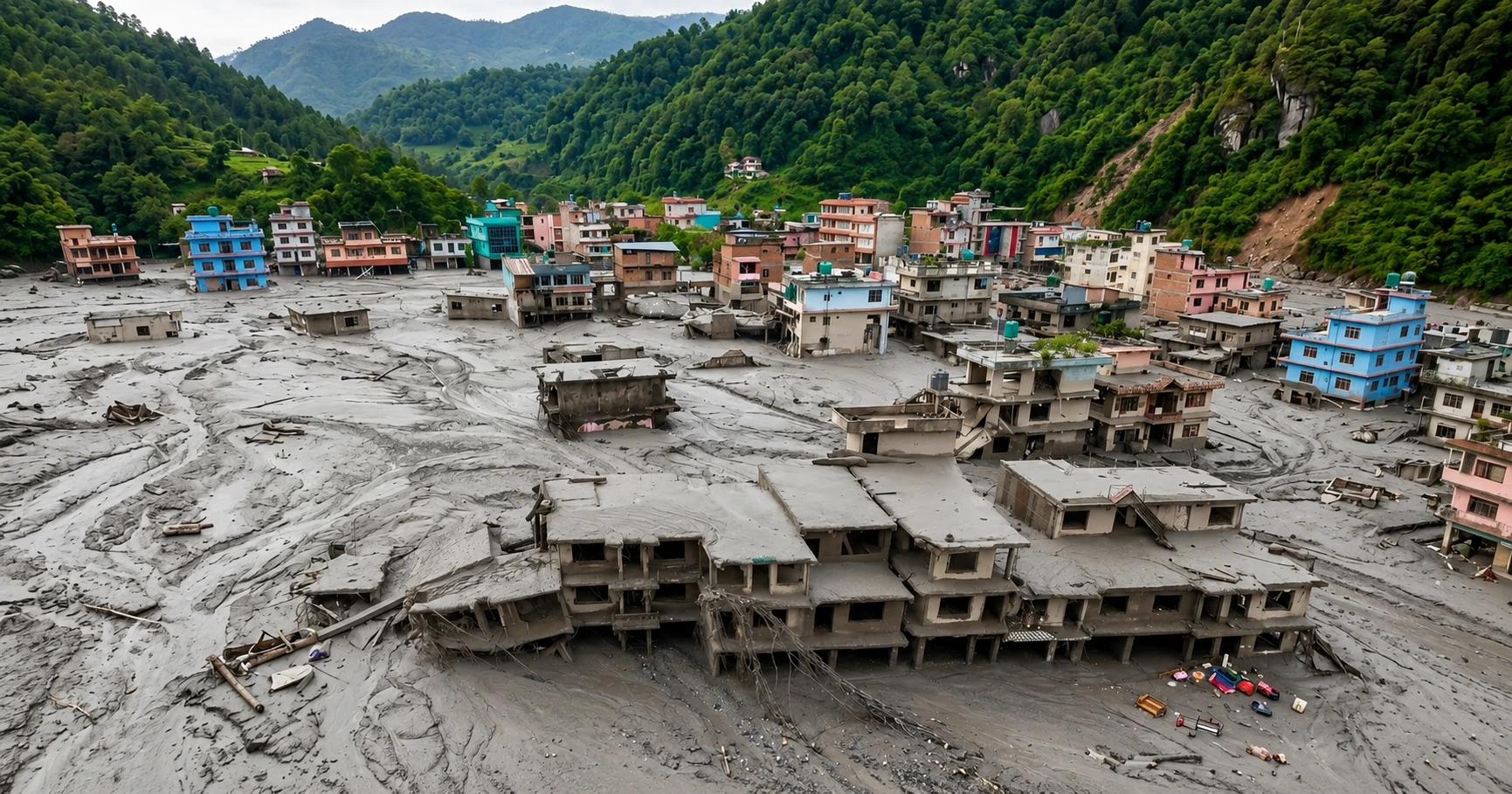
Surveillance footage from the Rasuwagadhi border crossing shows the scale of the horror. A huge wave of mud rushed through the area. People ran for their lives. Buses and trucks were tossed aside like toys. Within seconds, buildings turned into rubble.
On the Chinese side, the flood hit Gyirong county in Tibet. A mudslide struck a land crossing there too. Local officials said they feared “major casualties” in that area.
Bridges cracked apart. Roads vanished under water. Power projects were damaged. Entire villages were wiped out in some places.
Death Toll and Missing Persons
The numbers have grown fast since the flood struck.
Nepal’s government has confirmed that at least 270 people have died so far. This number may rise as search teams reach cut-off areas.
More than 1,300 people are reported missing across both countries. This includes over 700 foreign nationals. Nepal’s Tourism Board says people from 32 countries are unaccounted for, including 65 Americans.
On the Chinese side, officials said three people died in Gyirong county. Two people were rescued. State media reported that 558 people were missing there, including 260 foreign nationals.
Officials say some of the missing people may be counted on both sides, so the final number could change.
What Caused the Flood
Scientists say this was not a normal flood. The US Geological Survey said a glacial collapse triggered the disaster. This happens when a large chunk of ice breaks off a glacier and crashes down a mountain slope.
The falling ice picked up loose, wet soil on its way down. This soil was already soaked because of the ongoing monsoon season. The mix of ice, mud, and water turned into a fast-moving flood.
USGS also confirmed that no earthquake caused this event. The Himalayan region is warming faster than most parts of the world. This is making glaciers melt quicker and raising the risk of sudden floods like this one.
Experts say this kind of disaster may become more common as the climate keeps changing. Areas near glaciers and rivers are especially at risk during the monsoon months.
Rescue Operations Underway
Rescue teams from Nepal and China are working in very hard conditions. Roads are blocked by mud and fallen debris. This is slowing down rescue trucks and equipment.
In Nepal, helicopters are struggling to land because of high floodwater in many areas. Rescue crews are using ropes, boats, and manual digging to reach trapped people.
Chinese emergency teams have reached the main disaster zone near the border. They are clearing debris to open blocked roads.
The European Union and India have offered help. Both have said they will send aid and support teams to the region.
Risk of More Floods
Authorities have not called off the alert yet. China’s state media has warned of a possible second disaster. More rain is expected in Gyirong county over the next few days.
Collapsed earth from the first flood has formed unstable, temporary dams in some river areas. If these dams break, they could send another burst of water downstream. This makes the situation dangerous even after the first flood has passed.
Nepal is also seeing continued rain during this monsoon period. Landslides and mudslides remain a real threat in nearby valleys.
Why This Area Is So Vulnerable
The Rasuwagadhi crossing links Nepal with China’s Tibet region. It is a key route for trade, and it is also popular with tourists and trekkers heading into the mountains.
This makes the area busy at almost any time of year. When disaster strikes here, many travelers and workers get caught in the danger zone.
The valleys near this border are steep and narrow. Rivers move fast when water levels rise. There is very little easy warning time before a flash flood like this hits a village. That is part of why the damage was so severe.
Staying Safe During Flash Floods
Flash floods can turn deadly within minutes. Local officials recommend a few simple safety steps for people living or traveling in flood-prone mountain areas:
- Move to higher ground immediately if you hear a loud rumble or see fast-rising water.
- Avoid river banks and narrow valleys during heavy monsoon rain.
- Keep an emergency bag ready with basic supplies.
- Follow local weather alerts and evacuation orders without delay.
These steps are simple, but they save lives. There is no easy fix once a flood is already moving, so early action matters most.
You can check live weather alerts through official sources such as World Meteorological Organization or track disaster updates through Reuters World News. For background on how glacial floods form, National Geographic has useful explainer articles.
What Happens Next
Search and rescue work will continue for days, maybe weeks. Nepal and China are both under pressure to find survivors quickly before weather conditions worsen again.
Governments from other countries are also checking on their citizens who were traveling in the area. Embassies are working with local authorities to trace missing tourists.
This disaster is a strong reminder of how fast nature can change lives in mountain regions. It also shows why climate-driven risks in the Himalayas need close, ongoing attention.
FAQs
1. What caused the Nepal-China border flash flood?
A glacial collapse triggered it. A large piece of ice broke off and crashed down, picking up wet soil and turning into a fast-moving flood.
2. How many people have died in the floods?
At least 270 deaths have been confirmed in Nepal so far, with three deaths reported in China’s Gyirong county. The number may still rise.
3. How many people are missing?
More than 1,300 people are missing across both countries, including over 700 foreign nationals from many parts of the world.
4. Is there a risk of more flooding?
Yes. Authorities have warned of possible secondary floods due to unstable dams and more rain expected in the coming days.