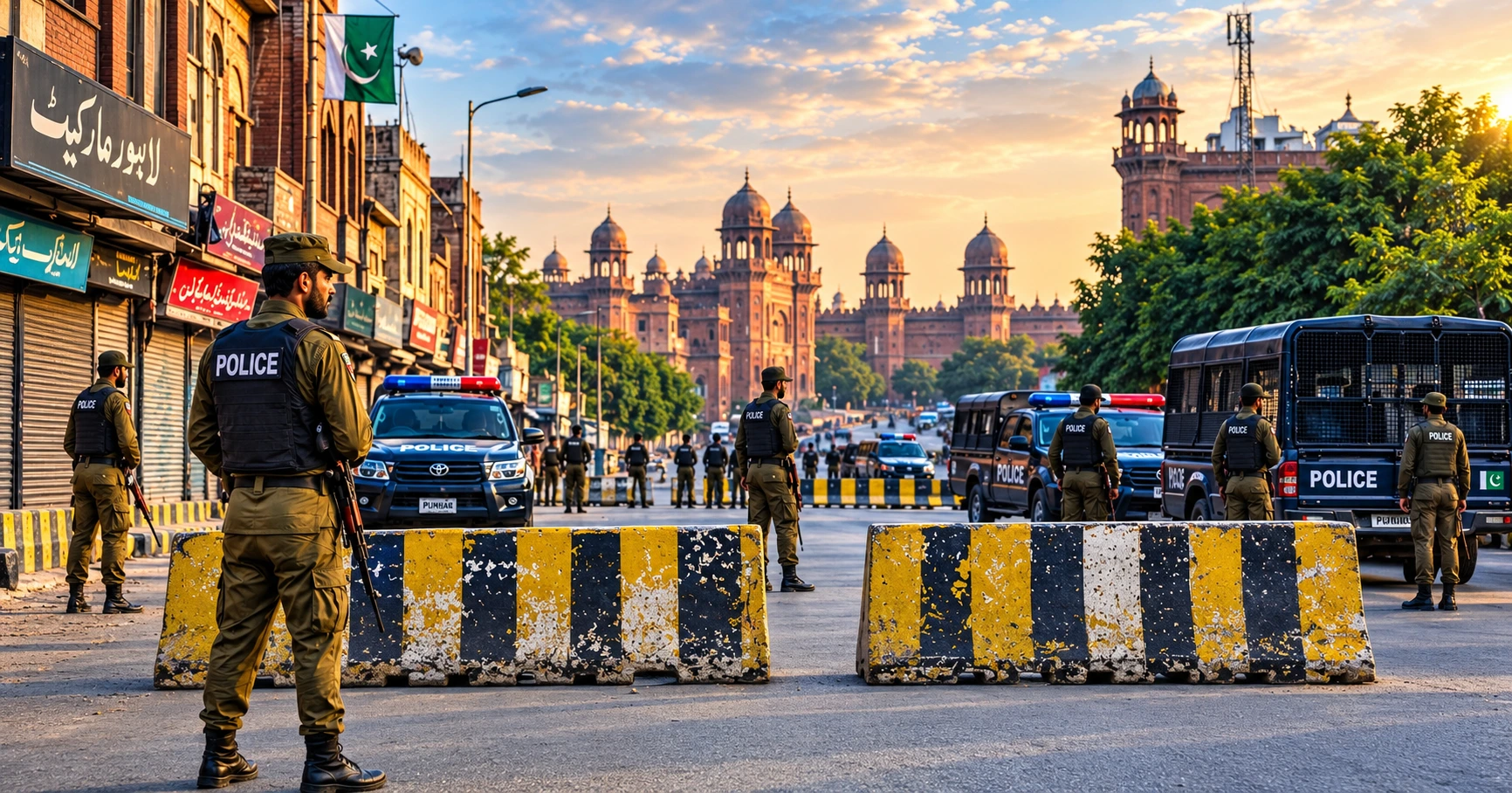
Big news is coming out of Punjab. The provincial government has placed Section 144 across the whole province. This rule will stay in place from September 13 to September 17. The government took this step after receiving serious security warnings. Officials say the goal is simple: keep people safe and stop any unrest before it starts.
This move has caught the attention of many people across Pakistan. Some are confused about what Section 144 actually means. Others want to know what is allowed and what is not during this time. This blog post will explain everything in easy words. We will look at why this order was passed, what it covers, and how it affects daily life in Punjab.
What Is Section 144?
Section 144 is a legal order under the Code of Criminal Procedure, 1898. It gives the government power to stop large gatherings when there is a threat to public peace. This is not a new law. It has been used many times before in Pakistan during tense situations. Once it is applied, gatherings of five or more people at public places are banned. This includes roads, highways, and open spaces.
The order is meant to act fast. Under a specific part of this law, known as Section 144(6), the authorities can enforce it right away, without giving prior notice. This shows how serious the current threat is seen to be.
Why Was Section 144 Imposed in Punjab?
The Punjab Home Department issued a formal notification on Sunday, September 13. According to the notification, security and intelligence agencies had shared credible reports. These reports pointed to a serious and immediate threat to public peace across the province.
The warnings were not vague. Intelligence agencies flagged several possible types of attacks. These include suicide bombings, vehicle-borne explosive devices, and targeted killings. Such attacks could cause panic and disrupt normal life. Large crowds at rallies, protests, or public meetings could become easy targets for such plans, according to officials.
The call for action did not come from one office alone. The Punjab police chief, the Counter-Terrorism Department, the Special Branch of Punjab Police, and several district administrations all pushed for quick, preventive steps. Given the scale of the warning, the Home Secretary used emergency powers to enforce the ban without delay.
What Exactly Is Banned?
The notification lists clear restrictions. Here is a simple breakdown of what is not allowed during this period:
- Gatherings of five or more people at public places, roads, highways, and open spaces
- Public processions, marches, and rallies
- Public meetings and sit-ins
- Protests and demonstrations
- Carrying or displaying weapons of any kind in public
- Encouraging or inciting others to join a banned gathering
These rules apply across the whole province of Punjab, not just one city or district. That is what makes this order stand out. It is a province-wide step, and it shows how much importance the government is giving to public safety right now.
What Is Still Allowed?
Not everything is affected by this order. The government has kept the rules simple by giving clear exceptions. The following activities are exempted from the ban:
- Wedding ceremonies
- Funeral prayers and burials
- Prayers and gatherings at mosques and other places of worship
- Court proceedings
- Official government events and functions
- Duties carried out by law enforcement and security personnel
So people can still attend weddings, funerals, and religious gatherings as usual. Courts and government offices will also continue their normal work. The restriction is focused mainly on public rallies, protests, and large political or social gatherings that could be used as targets.
How Long Will This Order Stay in Place?
The order became effective from September 13 and will remain active until September 17, which falls on a Thursday. That gives a five-day window during which these rules apply across Punjab. Whether the order gets extended after this date will depend on how the security situation develops. Authorities have not confirmed any extension yet, but they are keeping a close watch.
What Happens If Someone Breaks the Order?
Legal action can be taken against anyone who takes part in a banned gathering. This also applies to people who try to encourage others to join such gatherings, rallies, or protests. Police and local authorities have been told to keep an eye on public places during this period. The government has made it clear that protecting the lives and property of citizens remains their top priority right now.
Why This Matters for Ordinary People
For most people going about their daily routine, life will not change too much. Shops, markets, offices, and public transport are expected to run as usual, since Section 144 mainly targets large gatherings and not everyday movement. Still, people planning to attend or organize any kind of rally, protest, or public event should check the rules carefully before making plans.
This order is a reminder of how seriously the authorities are treating the current threat. It is meant to act as a simple, preventive step rather than something that punishes ordinary citizens. The idea is to reduce the risk of an attack by limiting the size of crowds that could be targeted.
For families planning weddings or attending funerals, there is no need to worry. These events remain exempt and can go ahead as planned. Anyone with questions about how the order applies to a specific event can reach out to their local district administration for guidance, since rules can sometimes be applied slightly differently depending on the area.
People who want to follow updates on the security situation can check reports from outlets such as Geo News or The News International, which have been covering the developments closely. For anyone curious about how Section 144 has been used in the past, background details on the law itself are also available through resources like the Pakistan Code portal, which hosts the full text of the Code of Criminal Procedure.
Final Thoughts
The imposition of Section 144 across Punjab shows that the government is not taking any chances with public safety. The threat warnings behind this decision appear to be serious, coming from multiple security and intelligence sources. While the ban limits certain public activities for five days, everyday life, religious practices, weddings, and funerals remain unaffected.
This kind of order can feel unsettling at first, but the intention behind it is straightforward. It is a simple and quick way to lower the risk of harm during a period of heightened threat. People are encouraged to stay updated through reliable news sources and to follow guidance from local authorities during this time.
Frequently Asked Questions
1. What is Section 144, and why was it imposed in Punjab?
Section 144 is a legal order that bans public gatherings during a security threat. It was imposed in Punjab after intelligence agencies warned of possible terrorist attacks on crowds.
2. Until when will Section 144 remain in place in Punjab?
The order took effect on September 13 and will stay active until September 17, which is a Thursday. Any extension will depend on the security situation.
3. Are weddings and funerals affected by this order?
No. Weddings, funeral prayers, burials, and gatherings at mosques and other places of worship are all exempt from the restrictions.
4. What happens if someone takes part in a banned gathering?
Legal action can be taken against anyone who joins or encourages others to join a banned gathering, rally, or protest during this period.