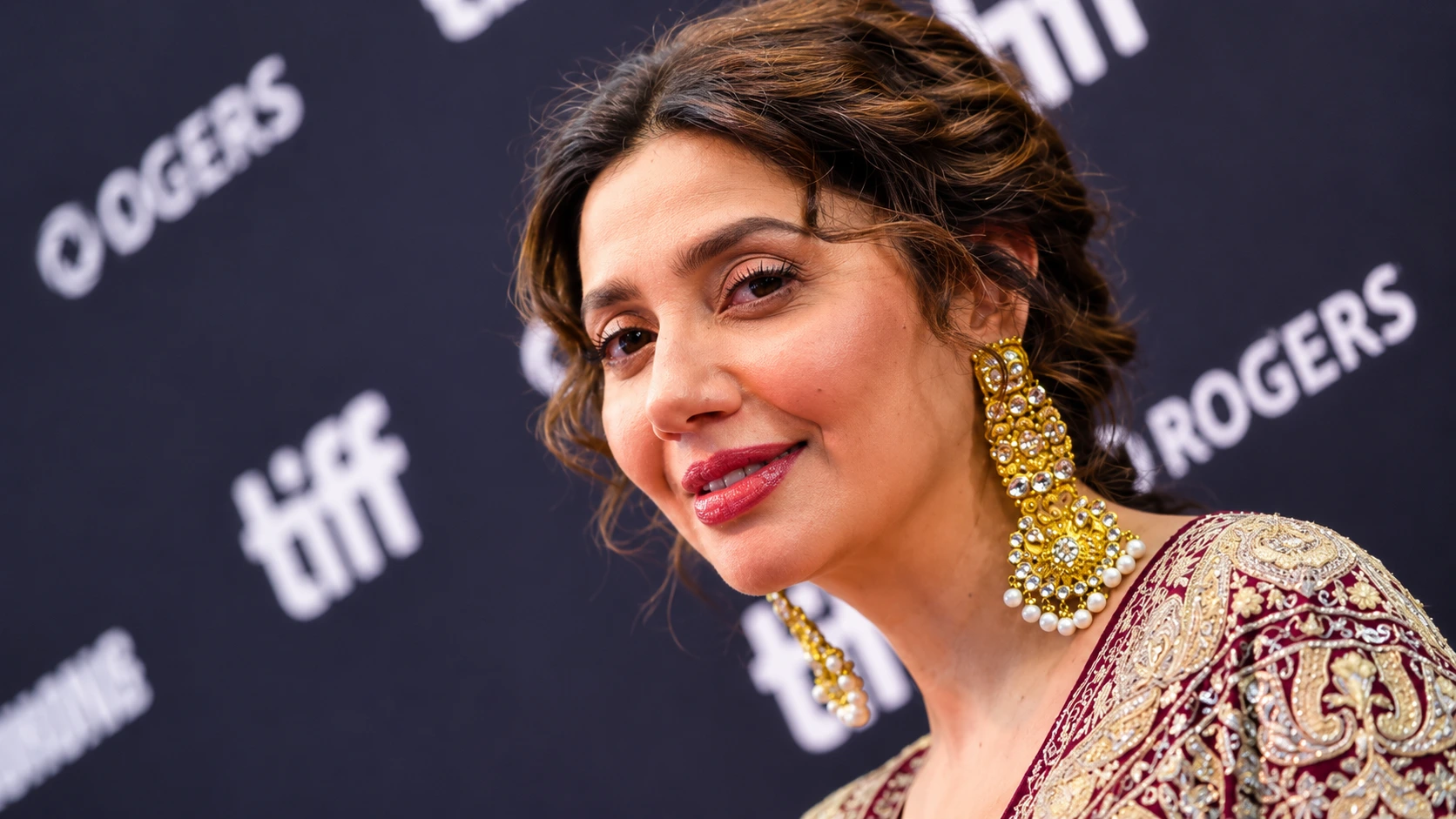
A major Indian film workers’ body has asked Prime Minister Narendra Modi to stop a Pakistani series from streaming in India. The show is Jo Bachay Hain Sang Samait Lo, Pakistan’s first original series made for Netflix. It is due on 4 December 2026, and the row has already reached the Indian government.
What Has Happened So Far
The All Indian Cine Workers Association (AICWA) wrote to Prime Minister Modi on 24 November. It asked for an immediate ban on the Indian release of the series. The group also wants a permanent law that would bar Pakistani content in India, including on OTT platforms.
AICWA president Suresh Shyamlal Gupta said the series should be stopped before its premiere. The letter makes no distinction between this show and other Pakistani content. It wants a blanket rule.
Another body has joined in. The Federation of Western India Cine Employees (FWICE) has also approached the Indian leadership. It asked the government to step in before the show reaches Indian viewers. Reports say FWICE warned it could pull its workers from Netflix productions in India if the series goes ahead.
Indian media also report that the Ministry of Information and Broadcasting reminded the platform of an advisory from 2025 on Pakistani content. These reports cite sources, and the details of that advisory are not fully public. You can check the ministry’s official updates on the Ministry of Information and Broadcasting website.
What Is Jo Bachay Hain Sang Samait Lo?
The show is not a small project. Jo Bachay Hain Sang Samait Lo is the first Pakistani original series commissioned by Netflix. Its Middle East and North Africa team ordered it. The platform first announced it in August 2023.
The story comes from the Urdu novel by Farhat Ishtiaq. It first appeared in Khawateen Digest in 2009 and came out as a book in 2013. Many readers in Pakistan know it well.
The series follows six linked love stories across three generations. The official line asks whether the love people carry in their hearts is enough. That is a simple idea, but the scale is large. Filming took place in Pakistan, Italy and the United Kingdom. That gives it a bigger look than most local television dramas.
The Woman Behind the Project: Momina Duraid
The producer is Momina Duraid. She also acts as showrunner, and she is directing the series. Her company, Momina Duraid Films FZ LLC, is based in Dubai. Pakistani viewers know her work. Her past titles include Humsafar, Zindagi Gulzar Hai, Shehr e Zaat and Sadqay Tumharay. She has worked with Farhat Ishtiaq on several hit adaptations.
This series carries real weight for Pakistan’s entertainment industry. Many Pakistani dramas already stream on Netflix after their TV runs. This one is different. It was made for the platform from the start.
A Look at the Cast
The cast is one of the biggest ever put together for a Pakistani show. Names reported include:
- Fawad Khan
- Mahira Khan
- Sanam Saeed
- Hania Aamir
- Ahad Raza Mir
- Nadia Khan
- Bilal Ashraf
Indian audiences know many of these actors. That explains why the issue has drawn so much attention across the border.
Key Facts at a Glance
| Detail | Information |
|---|---|
| Series | Jo Bachay Hain Sang Samait Lo |
| Platform | Netflix |
| Premiere date | 4 December 2026 |
| Producer and showrunner | Momina Duraid |
| Based on | Novel by Farhat Ishtiaq |
| Filming locations | Pakistan, Italy, United Kingdom |
| Indian groups objecting | AICWA and FWICE |
Why Indian Film Bodies Are Objecting
Both unions are pushing against Pakistani content in India. AICWA wants a legal ban, not just a one time decision. Its demand covers all platforms, so the case goes beyond one series. If such a law were passed, it would affect every Pakistani show, film and artist seeking Indian viewers.
The unions have not published a single detailed argument beyond their demand for a ban. The letters focus on stopping the release and on making the restriction permanent. Some Indian outlets reported strongly worded remarks from the AICWA letter. Pakistani readers should know these are the union’s views. They are not official statements from the Indian government.
Bollywood Is Not United on This
Not everyone in Bollywood agrees. Actress Richa Chadha reacted to the ban calls with a sarcastic question about whether the content would be “better quality.” Her comment drew backlash online. Very few other Bollywood names have spoken publicly so far.
This split shows how sensitive the topic is. Some film workers support a ban. Others stay silent. A few question whether such steps help the industry at all.
What Happens Next?
As of now, there is no confirmed ban on the series in India. The release date has not changed. Reports say the government has reminded Netflix about its earlier advisory. That is a warning, not a final order.
Several outcomes are possible:
- Netflix may release the series worldwide on 4 December, with India included.
- Netflix may block the show only in India to avoid trouble.
- The Indian government may issue a fresh, clearer instruction.
Which one happens is not known yet. Viewers can follow updates on the official Netflix website for release details.
What It Means for Pakistani Viewers
Pakistani audiences will most likely watch the show on its release date, whatever India decides. The series is a proud moment for local creators. It shows that Pakistani stories can reach a global platform.
It also shows how closely tied entertainment and politics remain in South Asia. A love story based on a popular Urdu novel has now become part of a government level debate. Producers, actors and fans in Pakistan are watching how this plays out. For Momina Duraid, the timing is difficult. Her biggest project is about to launch, and a major market is in question.
Fans can keep it easy by waiting for the official Netflix announcement. The platform will confirm where the series is available. Until then, claims on social media should be treated with care.
The Bottom Line
The facts are simple. Two Indian film bodies want the series blocked. Reports say the Indian government has reminded Netflix about its advisory. There is no ban yet, and the premiere is still set for 4 December. For Pakistan, it is an important release. For India, it is a test of how far the government will go on Pakistani content.