Pakistan and China have agreed to move faster on two energy projects that could affect daily life. One is a new LPG plant. The other is the import of motor gasoline, known as MoGas. The petroleum ministry shared the news on Wednesday, 25 November 2026, after a meeting between the federal minister for petroleum and the Chinese ambassador in Pakistan.
In simple words, both sides want a stronger and more reliable fuel supply. They also want more Chinese companies to invest in Pakistan’s energy sector.
What Pakistan and China Agreed
Both countries named two priority projects for early action. Each one will be handled as an arrangement between the two governments.
The first is an LPG plant with linked storage and terminal facilities. The plan is to raise local supply, widen access to cleaner fuel and ease shortages that appear in the peak season.
The second is the import of MoGas. This covers sourcing, storage and logistics. The idea is to strengthen fuel security and secure a steady supply at competitive prices.
According to the ministry, both projects are expected to bring early and visible benefits for consumers and the wider economy.
Here is an easy summary of the two projects:
| Project | What it includes | Main goal |
|---|---|---|
| LPG plant | Plant, storage and terminal facilities | More local supply, cleaner fuel access, fewer peak season shortages |
| MoGas imports | Sourcing, storage and logistics | Stronger fuel security, reliable and competitively priced supply |
Why the LPG Plant Matters
Fuel shortages are never easy for families and businesses to manage. A local LPG plant with proper storage and terminals is meant to improve availability, especially in the busy season.
Cleaner fuel is also part of the plan. Wider access to it is a simple but important goal for the energy sector. For readers, the practical hope is fewer supply gaps when demand rises.
MoGas Imports and Fuel Security
MoGas is the term for motor gasoline, the fuel used in petrol vehicles. The agreed plan covers the whole chain, from finding suppliers to storing fuel and moving it where it is needed.
A clear chain makes supply easier to plan. Fuel security, in simple terms, means having enough fuel when people need it, at a fair price. That is what both governments say they are aiming for.
Who Attended the Meeting
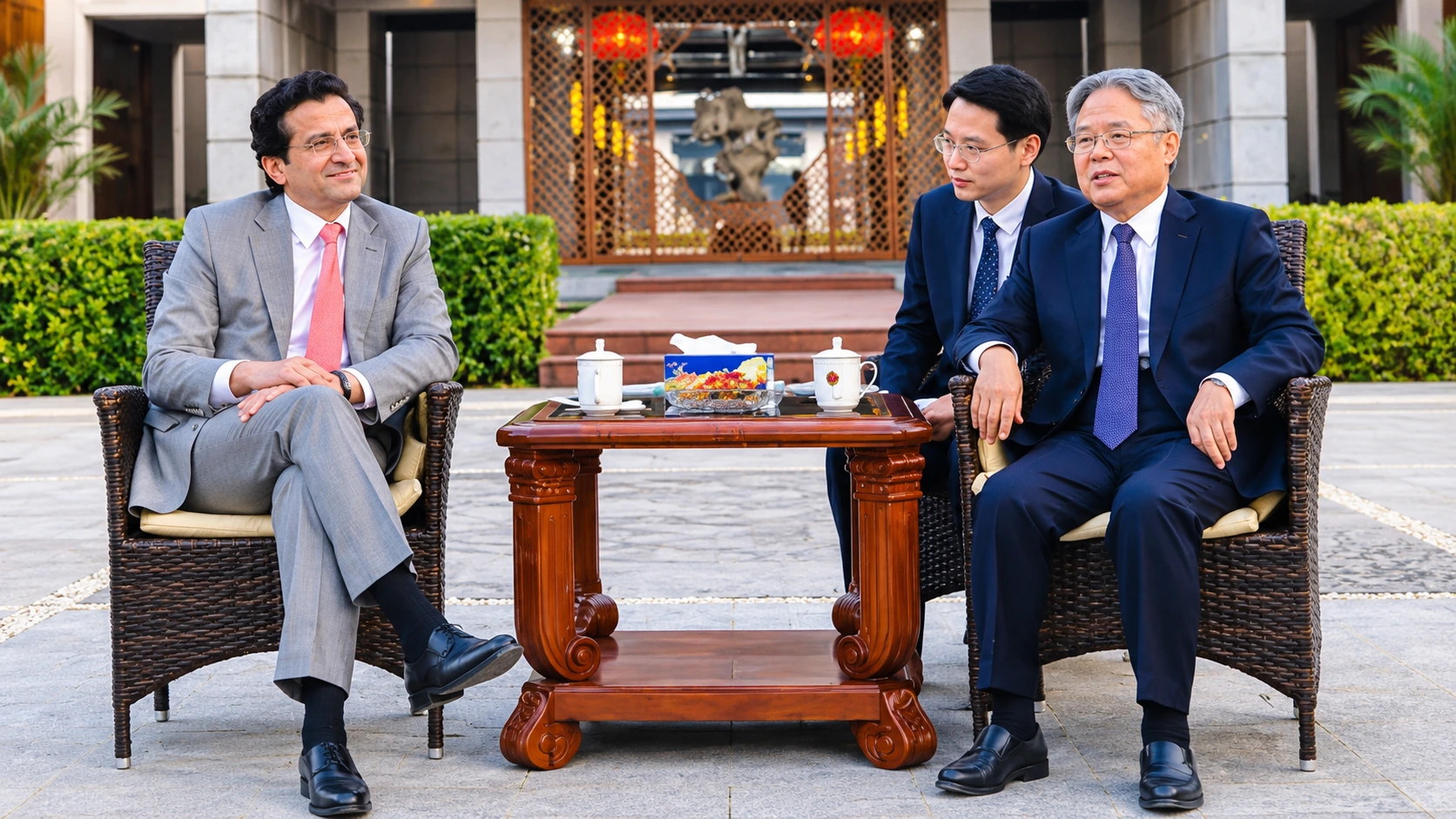
Federal Minister for Petroleum Ali Pervaiz Malik led the Pakistani side. He was joined by Additional Secretary (Policy) Zafar Abbas and Jawwad Ahmed Cheema, the chief executive officer of Pakistan State Oil (PSO). The Chinese side was represented by Ambassador Jiang Zaidong and his commercial team.
The presence of PSO’s top executive was no accident. The talks gave PSO a central role in future Chinese investment in the downstream sector.
Wider Areas of Cooperation
The discussion went well beyond fuel imports. Both sides talked about upstream oil and gas exploration, offshore development, mineral exploration, mining and strategic energy infrastructure.
Special attention went to Balochistan and to new offshore opportunities, including integrated offshore hubs. Both sides also looked at the entry of Chinese downstream companies through partnerships with PSO. Petroleum storage, terminals and wider downstream infrastructure were part of that conversation. PSO was described as the key commercial partner for Chinese investment in this area.
National energy companies, including Oil and Gas Development Company Limited (OGDCL), are also expected to work with Chinese upstream and downstream firms. The aim is to build partnerships that make commercial sense across the whole energy chain.
Trade was another topic. Both sides spoke about easier import and export policies, simpler procedures and better coordination between institutions. The goal is to support investment, technology transfer and cross border business.
A Joint Commercial Team to Track Progress
To make sure the talks lead to real action, both sides agreed to form a Joint Commercial Team. It will include representatives from Pakistan and China. Its tasks will be to:
- Study the opportunities identified in the meeting
- Reach out to interested companies
- Review investment and partnership models
- Prepare a structured roadmap for joint projects
The roadmap will cover upstream, offshore and downstream work. It will include the LPG plant, MoGas imports, minerals and mining.
Readers can follow official updates from the Petroleum Division, which handles the country’s petroleum policy. Company updates are available on the PSO website.
The Government’s Message to Investors
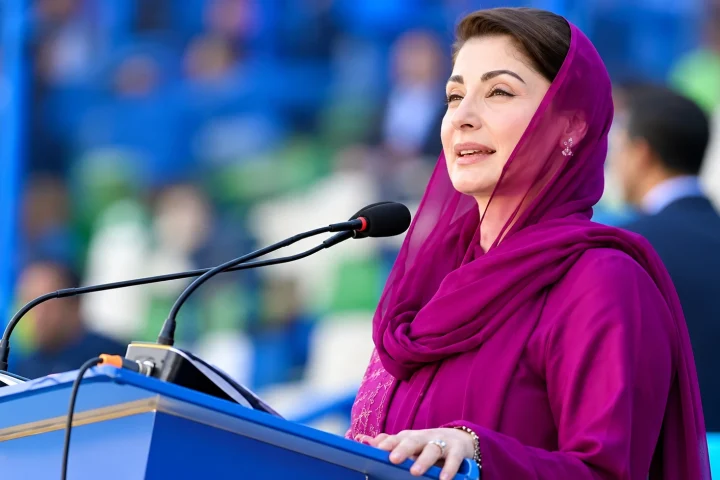
The minister spoke about the government’s plan to deregulate the petroleum sector step by step. He promised Chinese investors full support, protection for their investments and a good environment for long term business.
He also said Pakistan has large untapped potential in energy and natural resources. The priority, he explained, is to turn that potential into real investment, industrial growth and lasting economic opportunities. He promised a transparent and secure investment climate and said the energy market will open to more participation and competition.
He pointed to China’s technology, industrial skills and investment strength as a good match for Pakistan’s resources. His message was simple: the time has come to move from talks to action.
China’s Response
Ambassador Jiang Zaidong reaffirmed China’s continued support for Pakistan. He welcomed the proposed framework for working together. He also said China is keen to explore investment opportunities and to strengthen business links between companies in both countries.
The Timing of the Meeting
The meeting took place days after China hosted the 33rd APEC Economic Leaders’ Meeting in Shenzhen on 18 and 19 November 2026. The meeting ran under the theme “Building an Asia-Pacific Community to Prosper Together”. Its priorities were openness, innovation and cooperation.
What This Means for Pakistani Readers
It is important to be clear about where things stand. These are agreements to speed up work, not finished projects. The Joint Commercial Team still has to review options, talk to companies and draft its roadmap.
The ministry’s statement did not mention costs, timelines or locations for the LPG plant or the MoGas arrangement. Until more details come out, it is wise to treat the benefits as expected rather than guaranteed.
Still, the direction is easy to understand. Pakistan wants steadier fuel supply, more investment and stronger energy partnerships. China has shown interest in providing investment and expertise. If the Joint Commercial Team moves quickly, the LPG and MoGas projects could become the first visible results of this effort.
For ordinary consumers, the simple test will be whether supply improves and shortages become less common in peak months. For businesses, the bigger signal is that the government wants to open the energy market to more players.
The coming weeks should show how fast the new team can turn this agreement into a working plan.