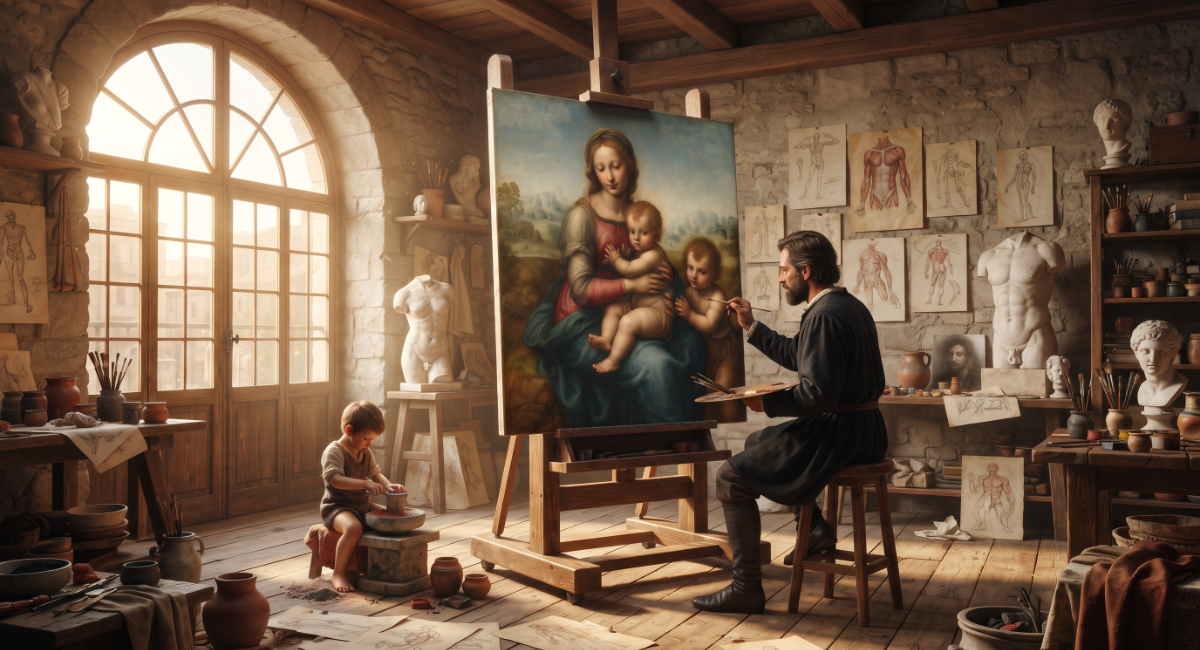
Famous Artists have shaped the way people understand creativity, culture, and human expression throughout history. From breathtaking Renaissance masterpieces to bold modern paintings and contemporary digital art, these creative minds have inspired generations with their unique styles and groundbreaking techniques. Their work reflects history, emotions, social change, and personal vision, making art one of humanity’s most enduring forms of communication.
Whether displayed in world-renowned museums or admired through books and digital galleries, famous artworks continue to influence designers, architects, filmmakers, and aspiring artists around the globe. Learning about these influential figures not only deepens our appreciation for art but also provides valuable insight into the evolution of artistic movements and creative innovation.
This guide explores the world’s most celebrated artists, their contributions, artistic styles, lasting influence, and why their work remains relevant today.
Why Famous Artists Continue to Inspire Generations
Great artists leave more than beautiful paintings—they create cultural legacies that continue to educate and inspire people across different generations.
Their influence extends into:
- Painting and sculpture.
- Architecture.
- Fashion design.
- Photography.
- Interior design.
- Graphic design.
- Film and animation.
- Digital illustration.
- Visual storytelling.
- Art education.
Many artists challenged traditional techniques, introduced new artistic movements, and encouraged future generations to experiment with creativity and self-expression.
Their work demonstrates that art is not simply decoration but a reflection of history, culture, politics, and personal identity.
Most Influential Famous Artists in History
The history of art includes many remarkable individuals whose creativity transformed the artistic world.
Leonardo da Vinci
Known for combining science and creativity, Leonardo produced masterpieces admired for their realism, composition, and innovation. His notebooks also revealed extraordinary curiosity about anatomy, engineering, and nature.
Michelangelo
Michelangelo excelled as a painter, sculptor, and architect. His monumental works continue to symbolize the artistic achievements of the Renaissance.
Vincent van Gogh
Recognized for expressive brushwork and vibrant colors, Van Gogh’s paintings have become some of the most recognizable works in art history.
Pablo Picasso
Picasso revolutionized modern art by helping develop Cubism, inspiring generations of artists to rethink perspective and composition.
Claude Monet
Monet played a leading role in Impressionism, capturing changing light, atmosphere, and natural beauty through loose brushstrokes and vivid color palettes.
These legendary artists continue to influence museums, art schools, collectors, and creative industries worldwide.
Different Art Movements That Shaped History
Understanding artistic movements helps explain how styles evolved over time.
Some of the most significant movements include:
Renaissance
Focused on realism, perspective, anatomy, and classical inspiration.
Baroque
Known for dramatic lighting, emotional intensity, and movement.
Impressionism
Captured everyday scenes using natural light and visible brushstrokes.
Cubism
Introduced abstract forms and multiple perspectives within a single composition.
Surrealism
Explored dreams, imagination, symbolism, and the subconscious mind.
Contemporary Art
Combines traditional techniques with modern concepts, digital media, installations, and mixed materials.
Each movement reflects the social, cultural, and historical environment of its era.
Characteristics Shared by Great Artists
Although every artist develops a unique style, many share similar qualities.
Successful artists often demonstrate:
- Creativity.
- Observation skills.
- Technical mastery.
- Patience.
- Innovation.
- Emotional expression.
- Curiosity.
- Strong storytelling.
- Continuous learning.
- Original thinking.
These characteristics enable artists to create work that resonates with audiences across cultures and generations.
The Lasting Influence of Famous Artists on Modern Creativity
The influence of Famous Artists extends far beyond galleries and museums. Their ideas continue shaping countless creative industries today.
Modern fields inspired by classic and contemporary artists include:
- Graphic design.
- Fashion.
- Advertising.
- Product design.
- Interior decoration.
- Architecture.
- Animation.
- Video games.
- Photography.
- Digital illustration.
Art schools around the world study classical techniques while encouraging students to combine traditional methods with modern technology.
Today’s digital artists frequently draw inspiration from historical masterpieces while creating innovative works using software, tablets, artificial intelligence, and virtual reality tools.
This blend of tradition and innovation keeps artistic expression constantly evolving.
How to Appreciate Art Like an Expert
Enjoying art does not require formal education. Anyone can develop a deeper appreciation by observing carefully.
Consider these questions when viewing artwork:
- What emotions does it create?
- How does the artist use color?
- What story is being told?
- What symbols appear in the composition?
- How is light used?
- What historical context influenced the work?
- Which artistic movement does it represent?
Visiting museums, reading artist biographies, and exploring different artistic styles gradually builds a richer understanding of visual culture.
Why Art Remains Important in Today’s World
Art continues to play a meaningful role in education, communication, entertainment, and society.
Its importance includes:
- Preserving cultural heritage.
- Encouraging creativity.
- Supporting mental well-being.
- Inspiring innovation.
- Recording historical events.
- Promoting cultural diversity.
- Enhancing public spaces.
- Strengthening education.
- Encouraging critical thinking.
As technology evolves, artists continue finding new ways to communicate ideas while preserving timeless creative traditions.
Art remains one of humanity’s most powerful universal languages.
Conclusion
The legacy of Famous Artists continues to shape the creative world through timeless masterpieces, innovative techniques, and enduring cultural influence. Their work has inspired generations of painters, designers, architects, photographers, and digital creators while enriching museums, classrooms, and communities around the globe. By exploring different artistic movements, understanding the stories behind great works, and appreciating the dedication required to create them, anyone can develop a deeper connection with art. Whether you are an aspiring artist or simply an admirer of creativity, studying these influential figures offers valuable inspiration and a greater appreciation for the role of art in human history.
Frequently Asked Questions (FAQs)
1. Who are some of the most famous artists in history?
Some of the most celebrated artists include Leonardo da Vinci, Michelangelo, Vincent van Gogh, Pablo Picasso, Claude Monet, Rembrandt, Salvador Dalí, and Frida Kahlo.
2. Why are famous artists important?
They have influenced culture, history, education, architecture, design, and countless creative industries through their groundbreaking ideas and artistic achievements.
3. Which art movement had the greatest impact?
The Renaissance, Impressionism, Cubism, and Modern Art are among the most influential movements because they transformed artistic techniques and creative expression.
4. How can beginners learn more about art?
Reading artist biographies, visiting museums, exploring online galleries, taking art courses, and studying different artistic movements are excellent ways to build knowledge.
5. What qualities make a great artist?
Creativity, technical skill, originality, patience, observation, emotional expression, continuous learning, and the ability to communicate ideas through visual storytelling are essential qualities.
6. Can digital artists become famous today?
Yes. Digital artists, illustrators, concept designers, and creators using modern technologies can achieve global recognition through online platforms, exhibitions, collaborations, and innovative artistic work.