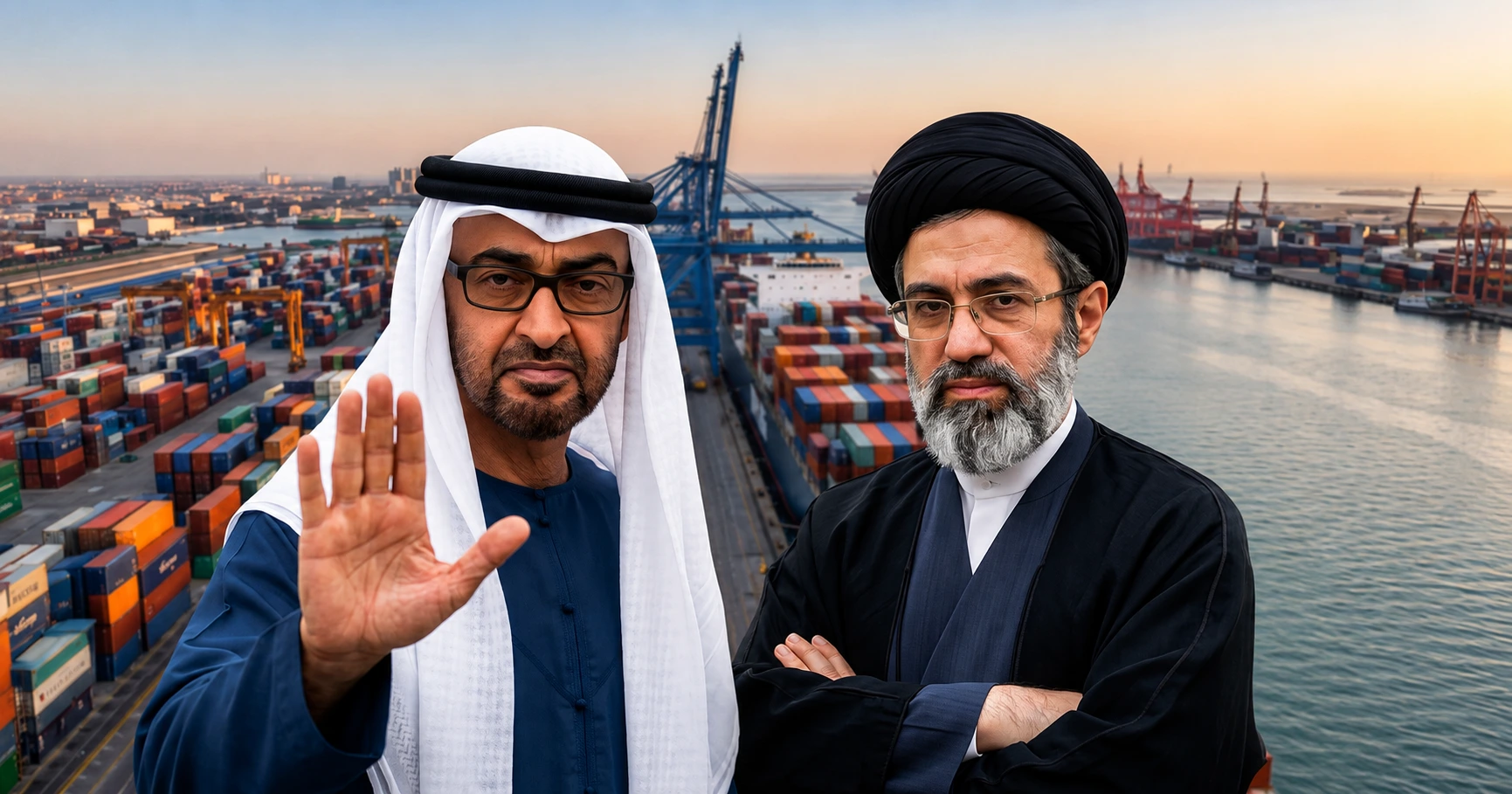
Big news from the Gulf. The United Arab Emirates has just stopped all trade and money dealings with Iran. This is not a small step. It is a major move that can change things across the whole Middle East. Let’s break it down in easy words so everyone can understand what happened and why.
What Did the UAE Announce?
On August 18, 2026, the UAE Ministry of Foreign Affairs said something huge. It announced that all trade, business exchanges, and financial transactions with Iran are now stopped. This ban is effective immediately. There is no end date given yet. The UAE says this will stay until further notice.
Afra Al Hameli, the Director of Strategic Communications at the Ministry, shared this news. She said the decision came because of “regional escalations” that threaten both regional and global peace. In simple words, the UAE feels Iran’s actions are putting the whole region at risk.
This is a very strong statement. The UAE and Iran are neighbors across the Gulf. They have had trade ties for many years, even during tough political times. So this move is a big shift.
Why Did the UAE Take This Step?
The tension did not build in one day. Several events pushed the UAE to take this action. Here is a simple timeline of what led to this moment.
| Date | Event |
|---|---|
| August 13, 2026 | Two ADNOC (Abu Dhabi National Oil Company) vessels attacked in the Strait of Hormuz |
| August 15, 2026 | Another ADNOC ship attacked in the same waterway |
| August 18, 2026 | Iran allegedly fired two ballistic missiles toward the UAE |
| August 18, 2026 | UAE suspends all trade and financial ties with Iran |
The Strait of Hormuz is a very important sea route. A huge part of the world’s oil passes through it. When ships get attacked there, it worries the whole world, not just the Gulf countries.
The UAE says Iran fired two missiles toward its territory. One missile landed in the country’s territorial waters. This attack came after a period of relative calm. The UAE had not faced missile attacks from Iran since May. Before that, in the early weeks of the wider Middle East war, the UAE had faced heavy attacks too.
Sadly, this conflict has already caused real harm. Reports say at least a dozen people have died in the UAE during the fighting, and more than 200 people got hurt. These numbers show why the UAE is taking such a firm and simple stand now: safety first.
What This Means for Trade Between the Two Countries
The UAE has long been one of Iran’s biggest trading partners. Iran has faced tough US sanctions for years. Because of this, Iranian businesses often used the UAE, especially Dubai, as a trade hub. Goods, money, and people moved between the two nations regularly.
In fact, just last year, in May 2024, the two countries had held their first Joint Economic Committee meeting in Abu Dhabi. They had agreed to work together on tourism, transport, logistics, farming, and clean energy. That agreement now looks very different after this new announcement.
The UAE is also home to a large Iranian community. Many families and businesses have deep roots connecting both countries. So this suspension does not just affect big companies. It can affect everyday people too, including traders, shop owners, and families who send money across the border.
This is not the UAE’s first action against Iran during this conflict. Earlier, the UAE had already recalled its ambassador from Tehran. It had also closed Iran-linked schools and a hospital in Dubai. A UAE official had said back then that certain institutions “directly linked to the Iranian regime” were closed for violating UAE laws.
The Bigger Picture: Oil Prices and Global Trade
This news does not stay limited to just two countries. It touches the whole world. Oil prices are already near $90 a barrel. Attacks in the Strait of Hormuz slow down oil shipments from the Middle East. This raises shipping costs. It can also push fuel prices up for regular people everywhere, not just in the Gulf.
The ADNOC attacks are a major reason behind rising worry in global energy markets. When tankers are not safe, shipping companies become cautious. This can cause delays and higher costs for goods moving around the world.
What the UAE Says About Its Stand
The UAE Ministry of Foreign Affairs made its position very clear. It said the country “remains firmly committed to safeguarding the integrity of the international financial system, in line with international law and the highest global standards.”
At the same time, UAE officials also said they still support dialogue and cooperation. They stressed that peace and regional stability remain the goal. So while trade is stopped for now, the UAE has not shut the door completely on future talks.
It is worth noting that Iran has also rejected talks with the US recently. This refusal added more pressure to an already tense situation. Attacks on tankers, missile launches, and rejected peace talks together created the conditions for this trade suspension.
How Serious Is This Decision?
This move by the UAE is a serious and simple message to Iran: stop the attacks, or trade stays frozen. It is easy to see why the UAE chose this path. Protecting its people, ships, and economy comes first.
For businesses that depend on UAE-Iran trade, this is a tough moment. Many companies may need to find new markets or delay shipments. Banks in the UAE are also expected to fully stop financial transactions linked to Iran, following the government’s direction.
This situation is still developing. More updates are expected as the region reacts to this news. For now, one thing is simple and clear: UAE-Iran trade ties are on hold, and the impact is being felt across the Gulf and beyond.
Frequently Asked Questions
1. When did the UAE suspend trade with Iran?
The UAE announced the suspension on August 18, 2026, and it took effect immediately.
2. Why did the UAE stop trade with Iran?
The UAE cited regional escalation, including missile attacks and tanker attacks linked to Iran, as the reason.
3. Does this suspension have an end date?
No, the UAE said the ban will continue “until further notice,” with no fixed end date given.
4. Will this affect oil prices worldwide?
Yes, tensions in the Strait of Hormuz are already keeping oil prices high, near $90 a barrel, and further disruption could push prices up more.