Ciara Mageean died on 1 November 2026. She was 34. For a lot of people in Irish sport, she was the runner you felt you knew, even if you’d never met her. She came from Portaferry, a small town on the County Down coast, and she took that background with her everywhere, from county tracks to Olympic stadiums.
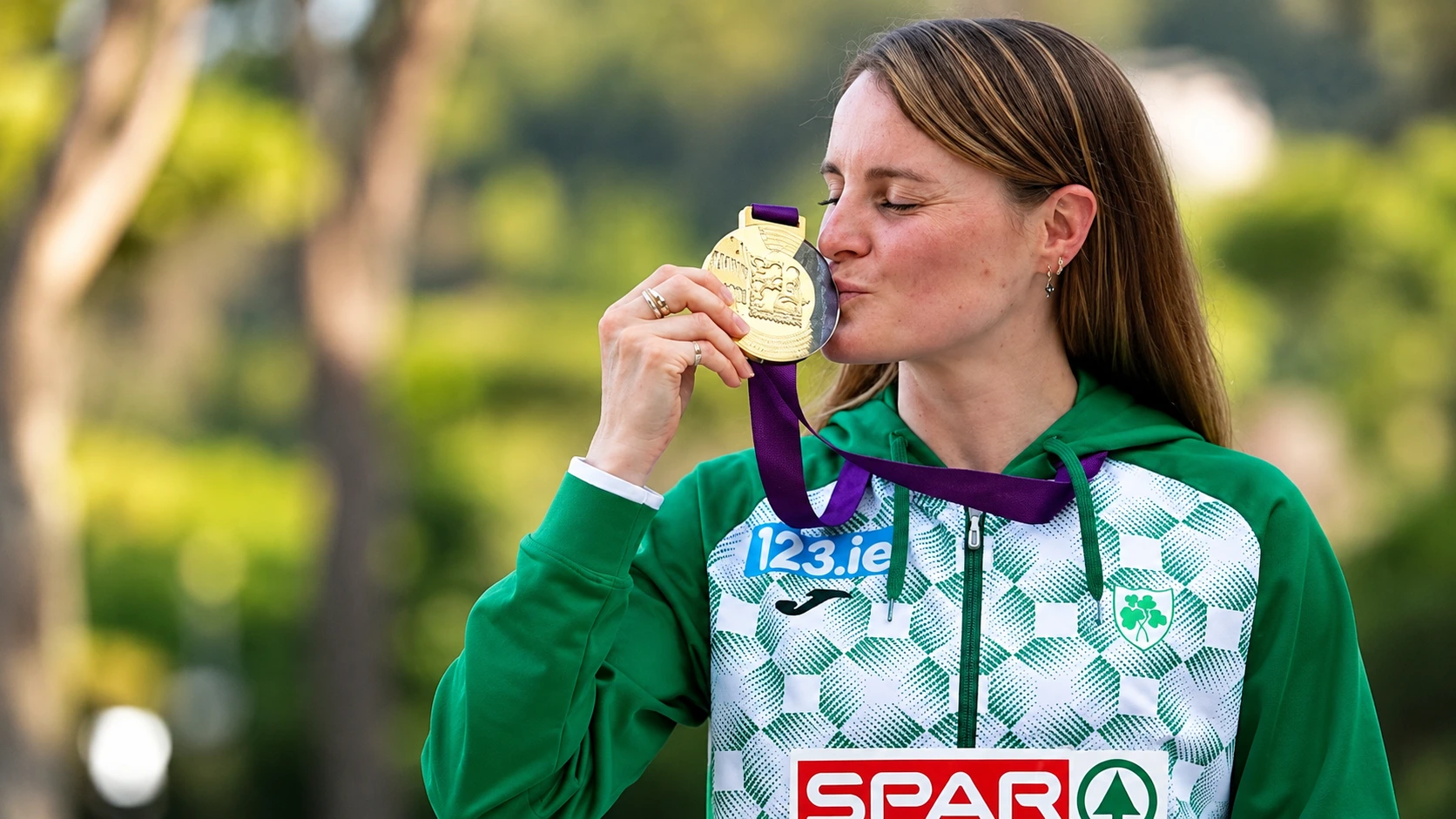
The obituaries will list the facts: European 1500m champion in Rome in 2024, Irish record holder, Olympian, Commonwealth medallist. All true. But if you ask me what her life actually leaves behind, it’s the last year and a half, when she let people watch her deal with the worst news an athlete can get, and didn’t dress it up.
A career built on coming back
Her running life was never a straight line up. As a junior she looked like a sure thing, and then ankle injuries nearly ended it before it started. She said later that her coach Jerry Kiernan, a former Irish international who worked with her from 2013 to 2017, was the reason she got through that stretch. When Kiernan died suddenly in January 2021, she described him as a friend, a mentor and a father figure. Anyone who has been coached through a bad patch will know exactly what she meant.
She made the 1500m semi-finals at the Rio Olympics in 2016. In 2022 she took silver at both the Commonwealth Games and the European Championships, and both times Laura Muir beat her. Two near misses in one season can wear a runner down. So the gold in Rome two years later felt less like a surprise and more like something she’d earned the slow way.
That history matters for what came next. Years of injuries had taught her to push through discomfort and trust that it would pass. It’s a sensible habit on a track. In a doctor’s surgery it can cost you months.
The symptom problem
Mageean was diagnosed with stage four bowel cancer in May 2025. By her own account, she’d put her early symptoms down to the stomach problems that come with heavy training. She said she kept finding logical reasons for it, “which many people would.”
I think that line is the most useful thing she ever said in public, and it has nothing to do with running. Elite athletes live with constant background noise from their bodies. Tiredness, gut trouble, aches, bad sleep. They learn to tune it out, because if you reacted to every twinge you’d never train. But the same skill that keeps you on the start line can stop you from hearing something real.
There’s a wider pattern here too. Bowel cancer is being found more often in people under 50, and younger patients tend to be diagnosed later, partly because nobody expects it. A fit 33-year-old doesn’t match the picture most of us carry around of who gets this disease. Routine screening usually starts at older ages, so younger people are left to spot the warning signs themselves and to push when they’re brushed off.
The signs worth taking seriously are a lasting change in bowel habits, blood in your stool, weight loss you can’t explain, ongoing stomach pain, and tiredness that doesn’t lift. The NHS guidance on bowel cancer sets them out plainly and says when to see a GP. The advice isn’t glamorous. If something hangs around for a few weeks without an obvious cause, get it checked. If the first answer doesn’t sit right, go back.
Choosing to be public
When athletes get seriously ill, they often go quiet. A statement goes out, privacy is requested, and that’s that. Mageean started that way. She announced her diagnosis in July 2025, said treatment had begun, and asked to be left alone.
Then she changed course. She went on RTÉ’s Uncharted with Ray Goggins. She gave long interviews, including one to the Irish Times in which she said she might not see her 40th birthday. In June 2026 she published a book, My Greatest Race, with Gill Books. She talked about a trip to Costa Rica, about the friends she made in a cancer support group, and about the everyday business of being ill. One radio interview was titled “If I’m going to die, I’m going to fit in as much living as possible now.” That pretty much sums up where her head was.
She got married this year, to Thomas Moran. She also kept moving when she could. Her training by then was small, and she described it as being for her head rather than for any result. It would be easy to make that sound heroic. I think it’s simpler than that. Plenty of people with advanced illness hang on to the routines that make them feel like themselves.
Why the way she talked about it mattered
Famous people talking about cancer isn’t new, and some of it is polished to the point of being useless. Mageean wasn’t polished. She didn’t promise she’d win. She didn’t talk like someone who’d already lost either. She gave her prognosis in ordinary words and talked about time as something you spend.
That kind of honesty helps people who are in the same position. Most public stories about cancer are built around survival, and if you have a diagnosis that won’t end that way, those stories can leave you feeling invisible. Hearing a champion say she might not reach 40, while she planned a wedding and a book launch, told a lot of people it was all right to talk about their own situation without a script.
It also knocked a myth on the head. We like to believe elite athletes have bought themselves some kind of insurance, that all the training and discipline puts them out of reach of the worst things. Fitness does improve the odds across a population. It doesn’t protect any single person, and her case made that impossible to ignore.
What happens next
Some of the effects will be quick. Cancer charities have noticed before that when a well-known person under 40 is diagnosed, public interest spikes. Groups like Bowel Cancer UK work on exactly the problem her story shows: late diagnosis in people who assumed they were too young or too healthy. I’d expect awareness campaigns aimed at younger adults to draw on her story, and I’d expect GPs to see more anxious patients in their age group over the next few months. Some of those appointments will turn out to be nothing. Some won’t.
Sport itself may have to ask some hard questions. Medical support for athletes is mostly built around performance, meaning injury, recovery and diet. If a runner reports gut problems that keep coming back, “it’s just training” is a convenient answer. Governing bodies and clubs might now look at whether those complaints get investigated as thoroughly as they should.
Her place in Irish athletics will be about more than results. The Rome gold stays in the record books, but I suspect the lasting part is how she handled being fragile in public without losing anyone’s respect. Young runners in both the north and south now have an example of a career that held setbacks, a clear view of mortality, and a willingness to talk about both.
Her book will also read differently now. She wrote it knowing her time could be short, and people will read it as a record of how she chose to use it. It will probably find readers who have never followed a race in their lives.
The practical takeaway
I could end this with something about courage, but I think Mageean would have found that a bit much. The sharper point is this. The habit that helped make her a champion, ignoring discomfort and getting on with the work, is the same habit that delays people going to the doctor. It isn’t just athletes. Parents, shift workers, anyone with a busy job can talk themselves out of a symptom with a perfectly reasonable excuse.
If her story gets one person to book the appointment they’ve been putting off, that will count for more than any tribute. She was 34. Ireland has lost a champion, and her family and her husband have lost someone who mattered to them far more than any medal.