Israelis went to vote on Tuesday, October 27, 2026. And Benjamin Netanyahu’s Likud party ended up in first place, at least in the early picture. But the story isn’t simple.
Likud leads, yes. But nobody has a clear majority. The result is easy to state and hard to read. That’s what makes the Israeli elections so tense right now.
Think of this post as a simple guide. I’ve kept the words easy and the sentences short. By the end, you’ll know what happened, how fear shaped the campaign, and what could come next.
Politics can feel heavy. So let’s make it easy. Start with the basics.
What Happened on Election Day, in Simple Words
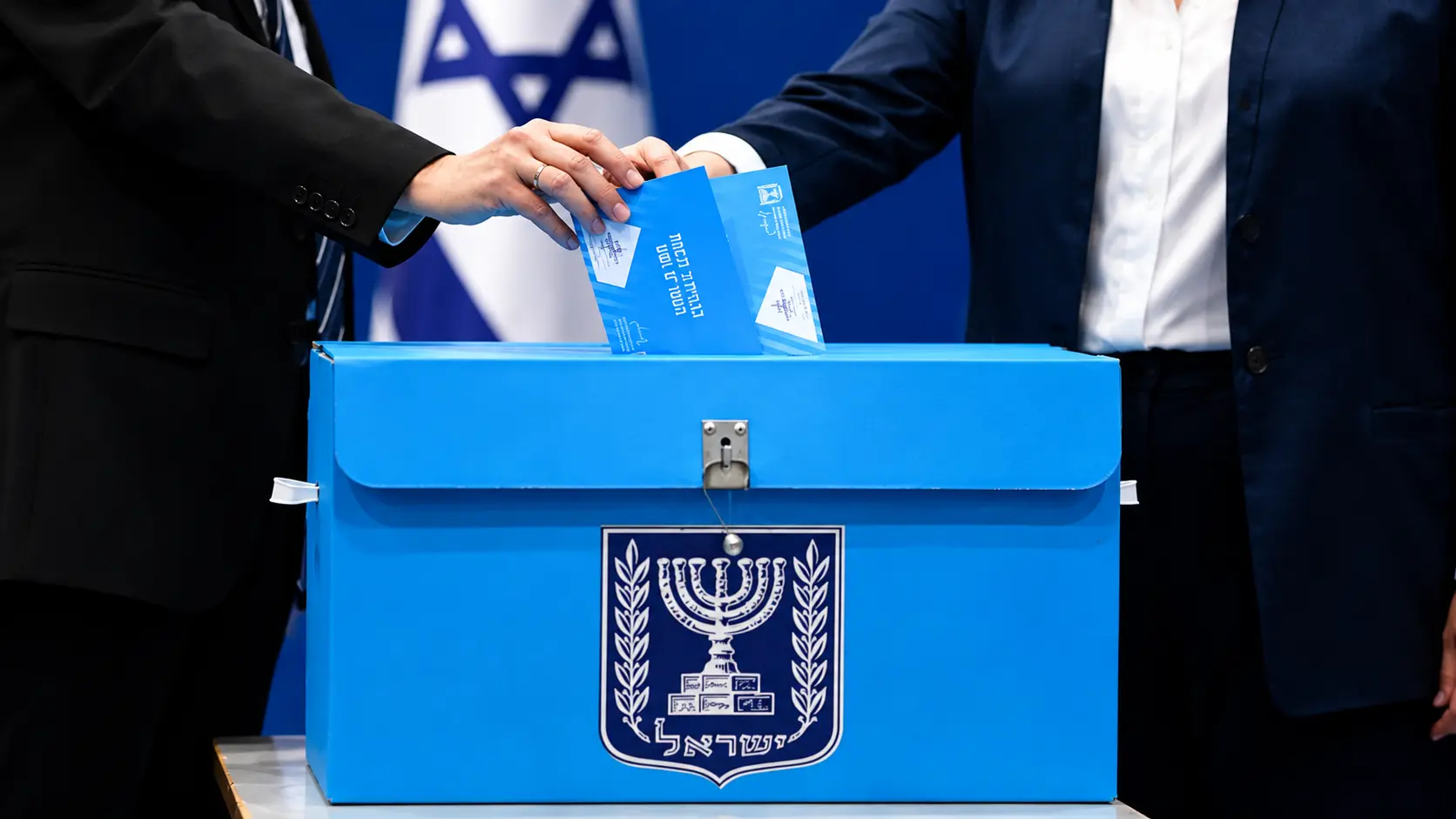
Polls closed at 10 p.m. on Tuesday. Soon after, Israeli TV channels released their exit polls. Turnout, reports said, was high.
One easy rule helps here. Exit polls are only early guesses. They aren’t final results.
Israel’s parliament is called the Knesset. It has 120 seats. To rule, a bloc needs 61. That’s the simple goal.
The Simple Math of 61 Seats
Picture 61 as a finish line. That’s an easy way to see it. In most exit polls, Netanyahu’s bloc was stuck near 50 seats. He’d need about 11 more.
The opposition falls short too. Arab parties hold roughly 17 to 18 seats, so every single seat counts. The counting is simple. The deal-making is not easy.
The Early Numbers
Here’s a simple look at the exit polls:
- Likud (Netanyahu): about 24 to 25 seats in most polls. One channel gave it 30.
- Yashar! (Gadi Eisenkot): about 19 to 23 seats.
- B’Yachad (Naftali Bennett): around 11 to 14 seats.
- Arab parties (Joint List and Ra’am): about 17 to 18 seats together.
Likud came first. But in most polls, neither Netanyahu’s camp nor the opposition reached 61. Eisenkot’s bloc landed in the low 50s.
Later, a partial count of over 70 percent of ballots gave Netanyahu’s bloc 53 seats and Eisenkot’s bloc 48, according to Israel Hayom. Counting is not over.
The easy takeaway? Likud won first place. It didn’t win a clear road to power.
How Netanyahu Used Fear Again
Fear isn’t new for Netanyahu. For years, he has presented himself as the man who keeps Israel safe. Analysts say the October 7, 2023 attack hurt that image. Even so, he kept warning that Israel faces deadly threats. He also called the April 2026 ceasefire with Iran a historic win.
His pitch was simple. Back a strong leader, or risk danger. It’s blunt, and it can work.
Likud’s ads were sharp. One billboard showed Netanyahu beside opposition leaders, with the slogan “Right or Palestine,” according to an AP photo caption. In simple terms, voters got two choices. There was not much space in the middle.
Likud also pushed a “largest party” message. Hundreds of thousands of paid text messages went out, Ynet reported. They asked voters to pick between Likud and Eisenkot. The aim was a two-man race. It’s an easy way to fire up a base.
But fear wasn’t only on one side. A JPPI report found that about 40 percent of Israelis worried the results wouldn’t be accepted. One in three doubted the vote would be fair.
Netanyahu’s supporters say the threats are real and voters should take security seriously. Critics say he leans on fear to dodge harder questions. Both views were loud in this campaign.
Why the Message May Have Worked
A few weeks before the vote, some polls looked bad for Likud. One in September had it at just 20 seats, Anadolu reported. Yet on election night, Likud still topped most exit polls.
Why? Experts will argue about that for weeks. There’s no easy answer, and exit polls don’t explain why people voted the way they did.
Still, one simple reading is that security keeps moving voters. A strong-leader message can unite a base. In a tight race, that can be enough to finish first.
The Opposition’s Problem
Gadi Eisenkot is a former army chief. His party, Yashar!, finished second in most exit polls. Naftali Bennett’s B’Yachad also took a big slice of the anti-Netanyahu vote.
The simple problem was split votes. Before election day, allies warned that a two-man race could hurt the wider opposition, Ynet reported. When votes split, a majority gets hard to reach. That’s a simple fact of the system.
After the vote, an Israel Hayom analysis described shock on the left and a difficult path to government.
Arab parties also posted major gains in the exit polls, Al-Monitor reported. Neither bloc can wave that away.
What Happens Next
Here are the simple steps:
- Official results are expected on November 4.
- President Isaac Herzog has until November 11 to pick someone to try forming a government.
- That person isn’t always the leader of the largest party.
- Coalition talks can take weeks.
They’re easy to follow. The hard part is the talks.
Analysts at Israel Hayom say Netanyahu’s road to a government looks narrow. Some point to a broad unity government as one possible route. That wouldn’t be easy. Rivals would have to agree to sit together.
Why the Israeli Elections Matter
The Israeli elections matter far beyond Israel. In simple terms, the next government will decide on war, security and ties with other countries. Those stakes aren’t easy to ignore.
Simple Questions, Easy Answers
Who won the Israeli elections?
Short and easy answer: Likud finished first in the early picture. Final results aren’t out yet.
Did Netanyahu win a majority?
Simple answer: no. In the exit polls, no bloc reached 61 seats.
Is it easy to form a government?
No. Parties have to make deals. It can take weeks.
What does “using fear” mean?
It means stressing danger to win support. Critics say Likud did this. Supporters say it spoke about real threats.
When will we know the final result?
Official results are expected on November 4.
Final Words
In simple words, Netanyahu used a familiar playbook again. He leaned on fear and security. Likud finished first. But the final call won’t be easy.
The next few weeks will decide who rules. We’ll keep it simple and easy to follow.