Introduction:
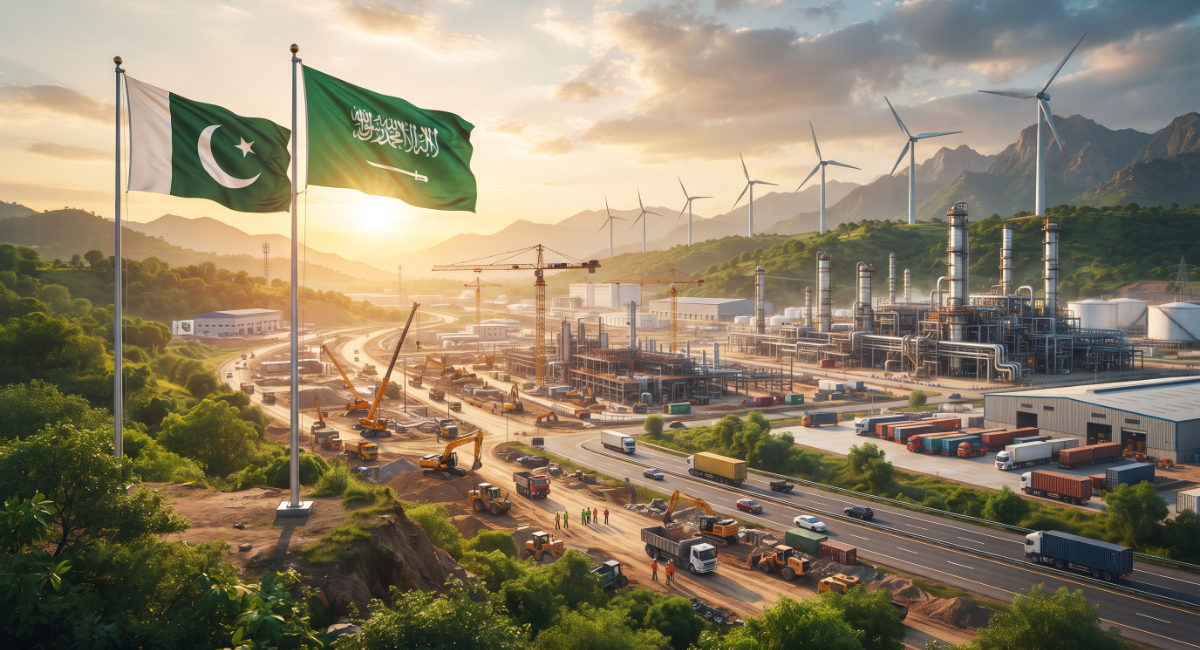
Saudi investment in Pakistan has become one of the most important drivers of economic cooperation between the two countries. Over the years, Pakistan and Saudi Arabia have built a strong partnership based on shared interests, strategic collaboration, and long-standing diplomatic relations. Today, that relationship is evolving beyond financial assistance into large-scale investments that focus on sustainable economic development.
With Pakistan seeking foreign direct investment (FDI) to strengthen its economy, create jobs, and improve infrastructure, Saudi Arabia has emerged as a key partner. From energy and mining to agriculture, tourism, logistics, and technology, investment opportunities continue to expand. These developments have the potential to improve economic stability while opening new avenues for business growth.
This article explores the sectors attracting Saudi capital, the economic benefits for Pakistan, future prospects, and the challenges that both countries must address to ensure long-term success.
Why Saudi Arabia Is Expanding Its Investments in Pakistan
Saudi Arabia views Pakistan as a strategic partner with significant economic potential. Pakistan’s large population, growing consumer market, favorable geographic location, and access to regional trade routes make it an attractive investment destination.
Several factors encourage Saudi investors to explore Pakistan:
- Strategic location connecting South Asia, Central Asia, and the Middle East.
- Young and expanding workforce.
- Rich natural resources.
- Government reforms to improve the investment climate.
- Business-friendly policies for foreign investors.
Pakistan has introduced regulatory reforms aimed at simplifying business registration, improving transparency, and facilitating international partnerships. Institutions like the Special Investment Facilitation Council (SIFC) have also accelerated investment approvals, making the country more appealing to international investors.
Key Sectors Driving Saudi Investment in Pakistan
The scope of Saudi investment in Pakistan extends across several high-growth industries that can contribute significantly to national development.
Energy and Renewable Resources
Energy remains one of the strongest pillars of bilateral cooperation. Investments in oil refining, renewable energy projects, and electricity generation help Pakistan reduce energy shortages while supporting industrial growth.
Clean energy initiatives, including solar and wind projects, also align with Saudi Arabia’s broader diversification goals under Vision 2030.
Mining and Minerals
Pakistan possesses vast reserves of copper, gold, rare earth minerals, and other valuable natural resources. International investors increasingly recognize the country’s untapped mining potential.
Saudi companies are exploring opportunities to participate in mineral extraction, processing, and value-added manufacturing, creating employment and increasing export revenues.
Agriculture and Food Security
Agriculture offers tremendous opportunities for collaboration. Pakistan’s fertile land and favorable climate allow the production of wheat, rice, fruits, vegetables, and livestock products.
Saudi investors are interested in agricultural modernization, food processing, cold storage, irrigation systems, and supply chain development to enhance food security for both nations.
Infrastructure and Logistics
Improved transport networks, highways, ports, warehouses, and logistics hubs strengthen regional connectivity and facilitate international trade.
Infrastructure investments also support industrial zones and manufacturing clusters that attract additional foreign businesses.
Economic Benefits for Pakistan
Foreign direct investment brings much more than capital. It contributes to long-term economic development in multiple ways.
Some of the major benefits include:
- Job creation across multiple industries.
- Technology transfer and modern business practices.
- Improved industrial productivity.
- Increased exports and foreign exchange earnings.
- Stronger investor confidence.
- Better infrastructure development.
- Enhanced skills through workforce training.
These outcomes contribute to sustainable economic growth while strengthening Pakistan’s competitiveness in regional and global markets.
Government Initiatives Supporting Foreign Investment
Recognizing the importance of international partnerships, Pakistan has introduced several initiatives to encourage foreign investors.
These include:
- Simplified investment procedures.
- Tax incentives for selected industries.
- Public-private partnership opportunities.
- Special Economic Zones (SEZs).
- Digital reforms for business registration.
- Investment protection policies.
- Faster project approvals through institutional coordination.
The government continues to improve regulatory frameworks to make doing business easier while ensuring transparency and investor protection.
These reforms increase confidence among international businesses looking for stable and profitable investment destinations.
Future Outlook for Saudi Investment in Pakistan
The future of Saudi investment in Pakistan appears increasingly promising as both countries deepen economic cooperation.
Several emerging sectors are expected to attract additional investment:
- Information technology and digital services.
- Artificial intelligence and innovation.
- Tourism and hospitality.
- Healthcare infrastructure.
- Education and vocational training.
- Manufacturing and industrial production.
- Green energy projects.
- Water resource management.
As Pakistan continues implementing economic reforms and improving ease of doing business, long-term partnerships are likely to expand further.
The growing focus on economic diversification under Saudi Vision 2030 also creates new opportunities for mutually beneficial investments beyond traditional sectors.
Challenges That Need Attention
Despite positive momentum, certain challenges require continuous improvement to maximize investment potential.
These include:
- Regulatory consistency.
- Faster administrative approvals.
- Policy continuity.
- Infrastructure modernization.
- Skilled workforce development.
- Efficient dispute resolution mechanisms.
- Currency stability.
- Improved investor confidence.
Addressing these issues can strengthen Pakistan’s position as a competitive destination for international investors while ensuring sustainable returns for foreign partners.
Long-Term Impact on Bilateral Relations
Economic partnerships often strengthen diplomatic relationships. Increased investment creates shared interests that encourage long-term cooperation in trade, technology, education, energy, and regional development.
Joint ventures between Pakistani and Saudi businesses promote knowledge exchange, innovation, and entrepreneurship. They also support local industries by integrating them into international supply chains.
As commercial ties deepen, both countries can benefit from stronger economic resilience, greater regional influence, and increased opportunities for future generations.
This collaborative approach represents a shift from traditional financial assistance toward sustainable economic partnership built on mutual growth.
Conclusion
The future of Saudi investment in Pakistan holds tremendous promise for both nations. Strategic investments across energy, mining, agriculture, infrastructure, technology, and manufacturing have the potential to transform Pakistan’s economic landscape while supporting Saudi Arabia’s global investment strategy. Continued policy reforms, transparent governance, and investor-friendly regulations will be essential for maintaining momentum. As economic cooperation expands, both countries can build a stronger partnership that generates employment, encourages innovation, enhances trade, and delivers lasting prosperity for businesses and communities alike.
Frequently Asked Questions (FAQs)
1. Why is Saudi Arabia investing in Pakistan?
Saudi Arabia sees Pakistan as a strategic investment destination due to its geographic location, growing market, abundant natural resources, and expanding economic reforms.
2. Which sectors attract the most Saudi investment?
Major sectors include energy, mining, agriculture, infrastructure, logistics, information technology, manufacturing, tourism, and renewable energy.
3. How does foreign direct investment benefit Pakistan?
Foreign investment creates employment opportunities, improves infrastructure, introduces advanced technologies, increases exports, strengthens industrial productivity, and supports long-term economic growth.
4. What role does the Special Investment Facilitation Council (SIFC) play?
The SIFC helps streamline investment approvals, improve coordination among government institutions, and facilitate large-scale foreign investment projects.
5. Can Saudi investments improve Pakistan’s economy?
Yes. Strategic investments can boost GDP growth, generate employment, improve exports, strengthen industrial capacity, enhance energy security, and increase international investor confidence.
6. What challenges remain for attracting more investors?
Pakistan must continue improving policy consistency, regulatory transparency, infrastructure, workforce development, and ease of doing business to attract greater long-term investment.