1. Introduction:
The Pakistan economy plays a central role in shaping the country’s development, employment, and living standards. As one of South Asia’s largest economies, Pakistan has a diverse economic structure supported by agriculture, manufacturing, services, exports, and a growing technology sector. Over the years, the economy has experienced periods of rapid growth as well as significant challenges, including inflation, fiscal pressures, and external debt.
Despite these obstacles, Pakistan continues to attract domestic and foreign investment due to its strategic location, young workforce, abundant natural resources, and expanding consumer market. Government reforms, infrastructure development, and digital transformation are creating new opportunities for businesses and investors alike.
This article provides a comprehensive overview of Pakistan’s economy, covering its major sectors, current challenges, growth opportunities, government initiatives, and future outlook while offering practical insights backed by credible economic trends.
2. Key Sectors That Drive Economic Growth
Pakistan has a mixed economy supported by multiple industries that contribute to national income and employment. Each sector plays a unique role in maintaining economic stability and long-term development.
Agriculture
Agriculture remains one of the country’s most important industries, supporting millions of livelihoods. Major crops include wheat, rice, sugarcane, cotton, and maize, while livestock contributes significantly to rural incomes and food security.
Manufacturing
The manufacturing sector includes textiles, pharmaceuticals, cement, automobiles, chemicals, steel, and consumer goods. Textile exports continue to be a major source of foreign exchange earnings.
Services Sector
The services industry has become the largest contributor to the national GDP. Banking, telecommunications, transportation, healthcare, education, retail, tourism, and information technology continue to expand as demand grows.
Information Technology
Pakistan’s IT industry has emerged as one of the fastest-growing sectors. Software development, freelancing, fintech, digital payments, cloud computing, and artificial intelligence are creating employment opportunities and increasing export revenues.
3. Current State of the Pakistan Economy
The Pakistan economy continues to evolve amid both domestic reforms and global economic changes. Policymakers are working to stabilize inflation, improve foreign exchange reserves, strengthen exports, and encourage private sector investment.
Several positive developments are shaping the economic landscape:
- Increased focus on export-led growth.
- Expansion of digital financial services.
- Improved tax collection through digitalization.
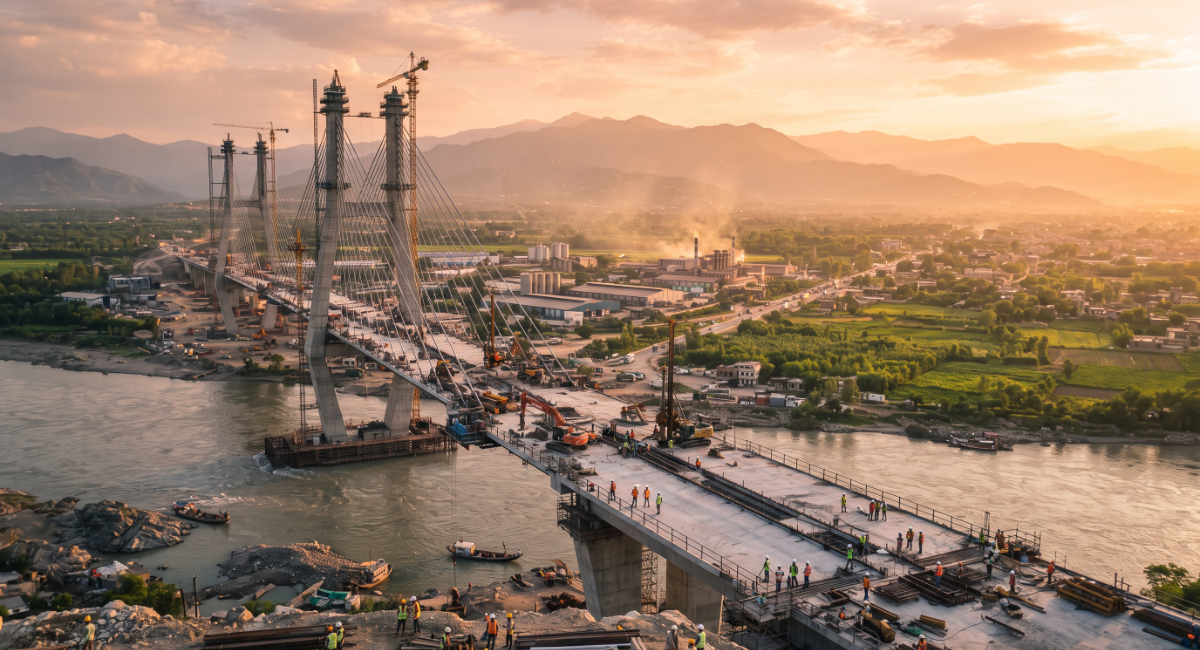
- Rising investment in infrastructure.
- Growing startup ecosystem.
- Stronger emphasis on renewable energy projects.
At the same time, the country continues addressing macroeconomic challenges such as fiscal deficits, exchange rate fluctuations, and public debt management. Sustainable reforms remain essential for maintaining long-term economic stability.
4. Major Challenges Facing the Economy
Like many developing nations, Pakistan faces several structural and economic challenges that require consistent policy reforms.
Inflation
Rising prices reduce purchasing power and increase the cost of living for households. Managing inflation remains one of the government’s top economic priorities.
External Debt
Debt servicing places pressure on public finances and foreign exchange reserves, making fiscal discipline increasingly important.
Energy Constraints
Reliable and affordable energy is essential for industrial productivity. Continued investment in electricity generation and renewable energy can help reduce production costs.
Unemployment
Although Pakistan has a young workforce, job creation remains a challenge. Expanding industries and supporting entrepreneurship can improve employment opportunities.
Trade Deficit
Increasing exports while reducing unnecessary imports is necessary to strengthen the balance of payments and improve foreign exchange reserves.
5. Government Reforms and Investment Initiatives
To improve economic performance, the government has introduced several reforms aimed at creating a more business-friendly environment.
Important initiatives include:
- Digital tax administration.
- Ease of doing business reforms.
- Public-private partnerships.
- Export promotion policies.
- Investment facilitation measures.
- Special Economic Zones (SEZs).
- Infrastructure modernization.
- Privatization of selected state-owned enterprises.
These reforms seek to increase investor confidence, improve transparency, and encourage long-term economic development.
International cooperation with strategic partners also supports infrastructure projects, industrial expansion, and technology transfer, strengthening Pakistan’s economic foundation.
6. Investment Opportunities in the Pakistan Economy
The Pakistan economy offers significant opportunities for both local entrepreneurs and international investors across multiple industries.
Promising sectors include:
Renewable Energy
Growing demand for clean energy has created investment opportunities in solar, wind, and hydropower projects.
Information Technology
The country’s expanding pool of skilled software engineers and freelancers continues to attract technology companies seeking cost-effective digital solutions.
Agriculture and Food Processing
Modern farming techniques, value-added food production, cold storage facilities, and agricultural exports present considerable growth potential.
Tourism
Pakistan’s mountains, historical sites, coastal areas, and cultural heritage offer strong opportunities for sustainable tourism development.
Real Estate and Construction
Urbanization continues to drive demand for residential housing, commercial developments, smart cities, and industrial infrastructure.
7. How Economic Growth Benefits Citizens
A strong economy directly improves people’s quality of life through better employment opportunities and higher incomes.
Key benefits include:
- Increased job creation.
- Improved healthcare services.
- Better education facilities.
- Enhanced infrastructure.
- Higher business confidence.
- Increased foreign investment.
- Greater industrial productivity.
- Improved export competitiveness.
- Higher living standards.
When economic growth is inclusive and sustainable, businesses expand, entrepreneurship flourishes, and communities experience long-term prosperity.
8. Future Outlook and Growth Potential
Pakistan possesses several long-term advantages that can support sustained economic growth.
These strengths include:
- A young and expanding population.
- Strategic geographic location connecting regional markets.
- Rich mineral resources.
- Expanding digital economy.
- Growing middle class.
- Increasing internet penetration.
- Rising entrepreneurial culture.
- Improving infrastructure.
- Competitive labor force.
Continued investment in education, innovation, governance, infrastructure, and technology will play a vital role in unlocking the country’s full economic potential.
Maintaining macroeconomic stability while encouraging private sector participation can position Pakistan as one of the region’s emerging investment destinations over the coming decade.
9. Conclusion
The Pakistan economy stands at an important stage of transformation. While challenges such as inflation, fiscal management, and energy shortages continue to demand attention, the country’s strengths—including its youthful workforce, expanding digital sector, strategic location, and diverse industries—provide a solid foundation for future growth. With consistent economic reforms, responsible fiscal policies, increased exports, and greater investment in innovation and infrastructure, Pakistan has the potential to achieve sustainable development. Long-term progress will depend on collaboration between the government, private sector, and international partners, ensuring that economic growth creates opportunities, improves living standards, and benefits future generations.
Frequently Asked Questions (FAQs)
1. What is the Pakistan economy based on?
Pakistan has a mixed economy driven by agriculture, manufacturing, services, information technology, trade, and small and medium-sized enterprises.
2. What are the biggest challenges facing Pakistan’s economy?
Major challenges include inflation, public debt, unemployment, energy shortages, fiscal deficits, and trade imbalances.
3. Which sector contributes the most to Pakistan’s GDP?
The services sector contributes the largest share of Pakistan’s GDP, followed by industry and agriculture.
4. Why is Pakistan considered an attractive investment destination?
Pakistan offers a strategic location, a large consumer market, abundant natural resources, a young workforce, and growing opportunities in technology, renewable energy, manufacturing, and infrastructure.
5. How can Pakistan strengthen its economy?
Economic growth can be supported by improving exports, encouraging foreign direct investment, expanding industrial production, strengthening education, investing in technology, and maintaining stable economic policies.
6. What is the future outlook for Pakistan’s economy?
The long-term outlook is positive if structural reforms continue, investor confidence improves, infrastructure development accelerates, and innovation remains a national priority. These factors can support sustainable growth and greater economic resilience.