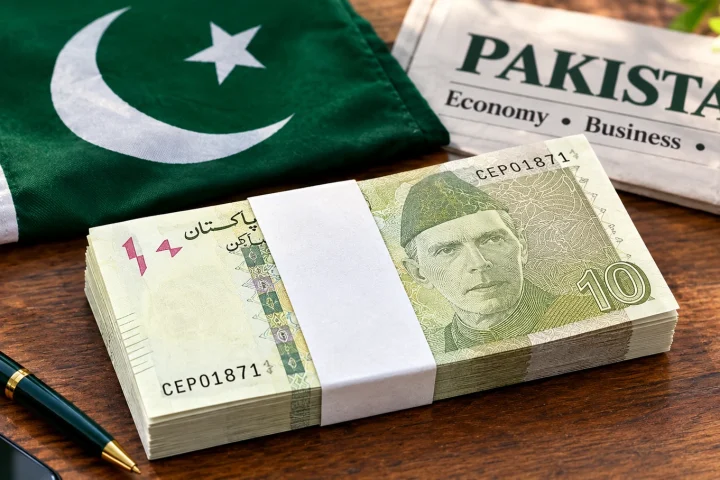
Inflation in Pakistan has become one of the most discussed economic issues in recent years because it directly affects household budgets, business operations, and the country’s overall financial stability. When the prices of goods and services continue to rise, the purchasing power of consumers declines, making everyday necessities more expensive.
Like many developing economies, Pakistan experiences inflation due to a combination of domestic and international factors. Changes in global commodity prices, currency depreciation, supply chain disruptions, energy costs, fiscal policies, and market demand all influence the inflation rate. While moderate inflation is considered a normal part of economic growth, persistently high inflation can create financial uncertainty for families and businesses alike.
Understanding the causes, consequences, and possible solutions helps individuals, investors, and policymakers make informed financial decisions. This article explores every major aspect of inflation in Pakistan while providing practical insights into its long-term economic implications.
2. What Is Inflation and Why Does It Matter?
Inflation refers to the gradual increase in the average price of goods and services over time. As prices rise, the purchasing power of money decreases, meaning consumers need to spend more to buy the same products.
Inflation is commonly measured using the Consumer Price Index (CPI), which tracks changes in the prices of everyday items such as food, transportation, housing, healthcare, clothing, and education.
A moderate level of inflation often indicates a growing economy because consumer demand remains healthy. However, when inflation rises too quickly, it creates uncertainty for businesses, reduces savings, and increases the cost of living.
Maintaining price stability is one of the primary goals of every central bank because predictable inflation supports sustainable economic growth and encourages investment.
3. Major Causes of Inflation in Pakistan
Several domestic and international factors contribute to inflation in Pakistan, making it a complex economic challenge rather than the result of a single issue.
Rising Energy Prices
Electricity, gas, and fuel prices influence transportation, manufacturing, agriculture, and logistics. Higher energy costs increase production expenses, which businesses often pass on to consumers through higher prices.
Currency Depreciation
When the Pakistani Rupee weakens against major international currencies, imported goods become more expensive. Since Pakistan imports petroleum products, machinery, pharmaceuticals, and industrial raw materials, exchange rate fluctuations significantly affect inflation.
Supply Chain Disruptions
Natural disasters, transportation bottlenecks, global trade disruptions, and seasonal shortages can reduce the availability of essential goods, leading to higher market prices.
Fiscal and Monetary Policies
Government spending, taxation policies, and money supply influence inflation levels. Excess liquidity in the economy may increase consumer demand beyond available supply, resulting in rising prices.
Global Economic Conditions
International commodity prices, geopolitical tensions, and fluctuations in oil markets also impact Pakistan’s domestic inflation through import costs.
4. How Inflation Affects Everyday Life
Inflation influences nearly every aspect of daily living. As prices increase, households often need to adjust spending priorities.
Some of the most noticeable effects include:
- Higher grocery bills.
- Increased transportation costs.
- Rising electricity and gas expenses.
- More expensive healthcare services.
- Higher education costs.
- Reduced purchasing power.
- Increased business operating expenses.
- Lower household savings.
Families with fixed incomes are often more affected because their earnings may not increase at the same pace as rising prices.
Businesses also face higher production costs, which can reduce profitability unless they improve efficiency or adjust pricing strategies.
5. Economic Impact on Businesses and National Growth
Persistent inflation creates challenges for businesses, investors, and policymakers.
Some key economic effects include:
Reduced Consumer Spending
When prices rise rapidly, consumers prioritize essential purchases and reduce discretionary spending, affecting retail sales and service industries.
Higher Production Costs
Manufacturers face increased expenses for raw materials, transportation, labor, and utilities, reducing profit margins.
Investment Uncertainty
High inflation makes long-term financial planning more difficult. Investors often seek stable economic environments where future costs and returns are easier to predict.
Pressure on Government Finances
Governments may need to allocate additional resources toward subsidies, social welfare, and economic stabilization measures, increasing fiscal pressure.
Despite these challenges, effective policy management can help stabilize prices and restore business confidence.
6. Government Measures to Control Inflation in Pakistan
Managing inflation in Pakistan requires coordinated action by both fiscal and monetary authorities.
Several policy measures are commonly used to improve price stability:
Monetary Policy
The central bank adjusts policy interest rates to manage money supply and control excessive inflationary pressure.
Fiscal Reforms
Improving tax collection, reducing unnecessary expenditures, and promoting responsible public spending help maintain fiscal discipline.
Strengthening Agricultural Production
Increasing domestic food production reduces dependence on imports while improving supply stability.
Exchange Rate Management
Policies that strengthen foreign exchange reserves and encourage exports help stabilize the national currency.
Encouraging Investment
Supporting local manufacturing, infrastructure development, and industrial expansion increases production capacity and improves supply chains over the long term.
Together, these measures contribute to a more stable economic environment and help reduce inflationary pressures.
7. Practical Ways Individuals Can Manage Inflation
Although inflation affects everyone, individuals can take practical steps to reduce its financial impact.
Some useful strategies include:
- Preparing a monthly budget.
- Reducing unnecessary expenses.
- Building an emergency savings fund.
- Investing in long-term financial assets.
- Comparing prices before purchasing.
- Avoiding excessive debt.
- Improving financial literacy.
- Developing additional income sources.
Careful financial planning helps households adapt more effectively during periods of rising prices.
8. Future Outlook for Pakistan’s Inflation
The future path of inflation depends on multiple economic factors, including domestic production, international commodity prices, exchange rate stability, and government policies.
Several positive developments could improve long-term price stability:
- Increased agricultural productivity.
- Expansion of renewable energy projects.
- Higher export earnings.
- Greater foreign direct investment.
- Stronger industrial production.
- Improved supply chain infrastructure.
- Digital tax administration.
- Better fiscal management.
If structural reforms continue and economic stability improves, inflationary pressures can gradually ease while supporting sustainable economic growth.
Long-term stability requires consistent policymaking, investor confidence, and stronger productivity across key industries.
9. Conclusion
Understanding inflation in Pakistan is essential for individuals, businesses, and policymakers because it influences purchasing power, investment decisions, and overall economic performance. While rising prices create challenges for households and industries, they also highlight the importance of sound fiscal management, responsible monetary policies, stronger domestic production, and continued structural reforms. By improving productivity, encouraging investment, strengthening exports, and maintaining economic stability, Pakistan can build greater resilience against inflationary pressures and support sustainable long-term growth that benefits both businesses and citizens.
Frequently Asked Questions (FAQs)
1. What is inflation?
Inflation is the gradual increase in the average prices of goods and services over time, reducing the purchasing power of money.
2. What causes inflation in Pakistan?
Major causes include rising energy prices, currency depreciation, supply chain disruptions, increased production costs, fiscal policies, and global commodity price fluctuations.
3. How does inflation affect ordinary people?
Inflation increases the cost of food, transportation, housing, healthcare, education, and other essential goods, reducing household purchasing power.
4. How is inflation measured in Pakistan?
Inflation is primarily measured through the Consumer Price Index (CPI), which tracks changes in the prices of commonly purchased goods and services.
5. What can the government do to control inflation?
The government can implement prudent monetary policies, strengthen fiscal discipline, encourage domestic production, stabilize exchange rates, improve agricultural output, and promote investment to reduce inflationary pressures.
6. Can inflation be beneficial?
A moderate and stable level of inflation is generally considered healthy because it encourages spending and investment. However, persistently high inflation can negatively affect economic stability, savings, and long-term growth.