The historical places in Pakistan tell remarkable stories of ancient civilizations, powerful empires, religious diversity, and architectural brilliance. From the ruins of one of the world’s earliest urban settlements to magnificent Mughal monuments and centuries-old forts, Pakistan offers an incredible collection of heritage sites that attract historians, archaeologists, researchers, photographers, and travelers alike.
Located at the crossroads of South Asia, Central Asia, and the Middle East, Pakistan has been home to numerous civilizations, including the Indus Valley Civilization, Gandhara, the Delhi Sultanate, the Mughal Empire, and the Sikh Empire. Each era has left behind monuments that continue to showcase exceptional craftsmanship and cultural significance.
Today, these historic landmarks not only preserve the nation’s identity but also contribute significantly to cultural tourism, education, and heritage conservation. Exploring these sites provides visitors with a deeper understanding of Pakistan’s diverse past and rich traditions.
Why Pakistan’s Heritage Holds Global Importance
Pakistan’s historical heritage is recognized internationally for its archaeological value and architectural excellence. Several sites have earned recognition from UNESCO due to their outstanding universal importance.
These landmarks serve as living museums, helping researchers understand the development of ancient societies, trade routes, religious beliefs, and artistic achievements.
Historic sites also strengthen cultural identity by connecting present generations with their ancestors. For visitors, they offer a chance to experience authentic history beyond textbooks while supporting local tourism and surrounding communities.
As global interest in heritage tourism continues to grow, Pakistan’s historical treasures are becoming increasingly attractive destinations for international travelers.
Famous Historical Places in Pakistan Worth Visiting
When discussing historical places in Pakistan, several iconic landmarks stand out for their historical significance, architectural beauty, and cultural importance.
Mohenjo-daro
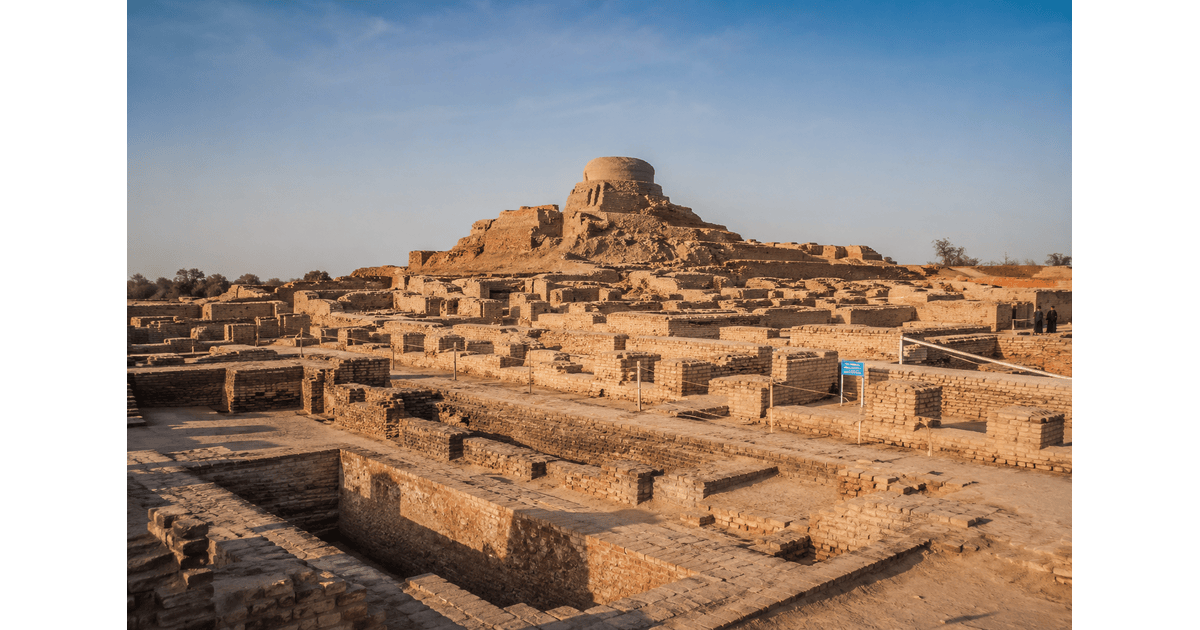
One of the world’s oldest planned cities, Mohenjo-daro dates back over 4,000 years to the Indus Valley Civilization. Located in Sindh, this archaeological site demonstrates advanced urban planning, drainage systems, and engineering that continue to impress historians.
Lahore Fort
Built and expanded during the Mughal period, Lahore Fort represents centuries of architectural excellence. Its palaces, gardens, halls, and intricate artwork make it one of Pakistan’s most visited historical attractions.
Badshahi Mosque
Standing opposite Lahore Fort, the Badshahi Mosque remains one of the largest and most beautiful mosques in the world. Constructed during Emperor Aurangzeb’s reign, it symbolizes Mughal grandeur and Islamic architecture.
Taxila
Taxila served as a major center of learning for centuries and played an important role in the Gandhara Civilization. Today, its monasteries, museums, and archaeological remains attract scholars and tourists from around the world.
Rohtas Fort
Built during the 16th century, Rohtas Fort showcases remarkable military architecture and defensive engineering. The massive walls and impressive gateways continue to reflect the strategic planning of its builders.
The Legacy of the Indus Valley Civilization
Among Pakistan’s greatest historical contributions is the Indus Valley Civilization, one of humanity’s earliest urban societies.
Cities like Mohenjo-daro and Harappa demonstrate sophisticated town planning, sanitation systems, marketplaces, and organized governance long before many other civilizations developed similar infrastructure.
Archaeological discoveries including seals, pottery, jewelry, tools, and sculptures provide valuable insight into daily life thousands of years ago.
Researchers continue studying these sites to better understand ancient trade networks, social organization, and technological innovation.
Mughal Architecture and Cultural Heritage
The Mughal Empire left an extraordinary architectural legacy across Pakistan.
Magnificent forts, mosques, gardens, caravanserais, and royal residences reflect exceptional craftsmanship using marble, sandstone, frescoes, calligraphy, and geometric designs.
Some notable Mughal landmarks include:
- Lahore Fort
- Badshahi Mosque
- Shalimar Gardens
- Wazir Khan Mosque
These monuments continue attracting architects, historians, photographers, and tourists interested in Islamic art and heritage.
Their preservation remains essential for protecting Pakistan’s cultural identity and promoting international tourism.
Preserving Historical Places in Pakistan for Future Generations
Protecting historical places in Pakistan has become increasingly important as urban development, pollution, climate change, and natural disasters pose challenges to heritage conservation.
Government departments, heritage organizations, archaeologists, conservation experts, and international institutions work together to preserve these invaluable landmarks.
Conservation efforts include:
- Structural restoration
- Archaeological research
- Digital documentation
- Visitor management
- Educational awareness campaigns
- Cultural heritage protection laws
Responsible tourism also plays an important role. Visitors can contribute by respecting site regulations, avoiding littering, and helping preserve monuments for future generations.
Proper conservation ensures these remarkable landmarks continue educating and inspiring people for centuries to come.
Historical Tourism and Economic Growth
Heritage tourism has become an important contributor to Pakistan’s tourism industry.
Domestic and international visitors generate economic opportunities for local communities through hotels, restaurants, transportation services, tour operators, handicrafts, and cultural events.
Investment in tourism infrastructure has improved accessibility to many historical sites, encouraging greater visitor numbers.
Digital travel platforms, social media, and online travel guides have also increased global awareness of Pakistan’s historical attractions.
With continued investment and improved visitor facilities, heritage tourism has significant potential to strengthen Pakistan’s economy while preserving its rich cultural legacy.
Tips for Visiting Historic Sites Responsibly
A rewarding historical tour begins with proper planning and respect for cultural heritage.
Before visiting historical landmarks, travelers should:
- Research the site’s historical background.
- Wear comfortable clothing and suitable footwear.
- Follow local guidelines and photography rules.
- Respect religious and cultural customs.
- Avoid touching delicate structures or artifacts.
- Carry water during summer visits.
- Hire licensed local guides for accurate historical information.
- Support local businesses and artisans.
Responsible tourism enhances the visitor experience while protecting priceless heritage sites.
Conclusion
The historical places in Pakistan represent thousands of years of civilization, innovation, culture, and architectural excellence. From the ancient streets of Mohenjo-daro to the magnificent Mughal monuments of Lahore and the impressive defensive walls of Rohtas Fort, these landmarks preserve the nation’s remarkable journey through history. Continued conservation, responsible tourism, and greater public awareness will ensure that these cultural treasures remain protected for future generations while strengthening Pakistan’s position as one of South Asia’s most fascinating heritage destinations.
FAQs
1. What are the most famous historical places in Pakistan?
Some of the most popular historical landmarks include Mohenjo-daro, Harappa, Lahore Fort, Badshahi Mosque, Taxila, Rohtas Fort, Shalimar Gardens, and Wazir Khan Mosque.
2. Which historical sites in Pakistan are UNESCO World Heritage Sites?
UNESCO World Heritage Sites in Pakistan include Mohenjo-daro, Taxila, Lahore Fort and Shalimar Gardens, Rohtas Fort, Makli Necropolis, and the Buddhist Ruins of Takht-i-Bahi and Sahr-i-Bahlol.
3. Why are historical places important?
Historical sites preserve cultural heritage, educate future generations, support archaeological research, promote tourism, and strengthen national identity.
4. What is the oldest historical site in Pakistan?
Mohenjo-daro and Harappa are among the oldest archaeological sites in Pakistan, dating back to the Indus Valley Civilization around 2500 BCE.
5. How can tourists help preserve historical sites?
Visitors can protect heritage by following site rules, avoiding damage to monuments, disposing of waste responsibly, respecting local customs, and supporting conservation initiatives.
6. Is Pakistan a good destination for heritage tourism?
Yes. Pakistan offers a diverse range of historical attractions, ancient civilizations, Mughal architecture, Buddhist heritage, and UNESCO-recognized sites, making it an excellent destination for history and culture enthusiasts.
7. What is the best time to visit historical places in Pakistan?
The ideal time is from October to March, when the weather is cooler and more comfortable for sightseeing across most regions of the country.