Pakistan’s top military leader made a special visit this week. Field Marshal Syed Asim Munir, who serves as both Chief of Army Staff and Chief of Defence Forces, went to Pakistan Ordnance Factory in Wah. This is the country’s largest defence industrial complex. The visit was not a short or simple stop. It had a clear purpose. The military leader wanted to check how well the factory is producing weapons and equipment. He also wanted to see how much export potential the site has for the future.
This news matters to many people. Pakistan wants to grow its own defence industry. It wants to make more weapons at home. It also wants to sell some of these products to other countries. This visit shows how serious the top leadership is about this goal. In this post, we will break down what happened during the visit. We will explain it in easy words so that any reader can follow along without any trouble.
What Happened During the Visit
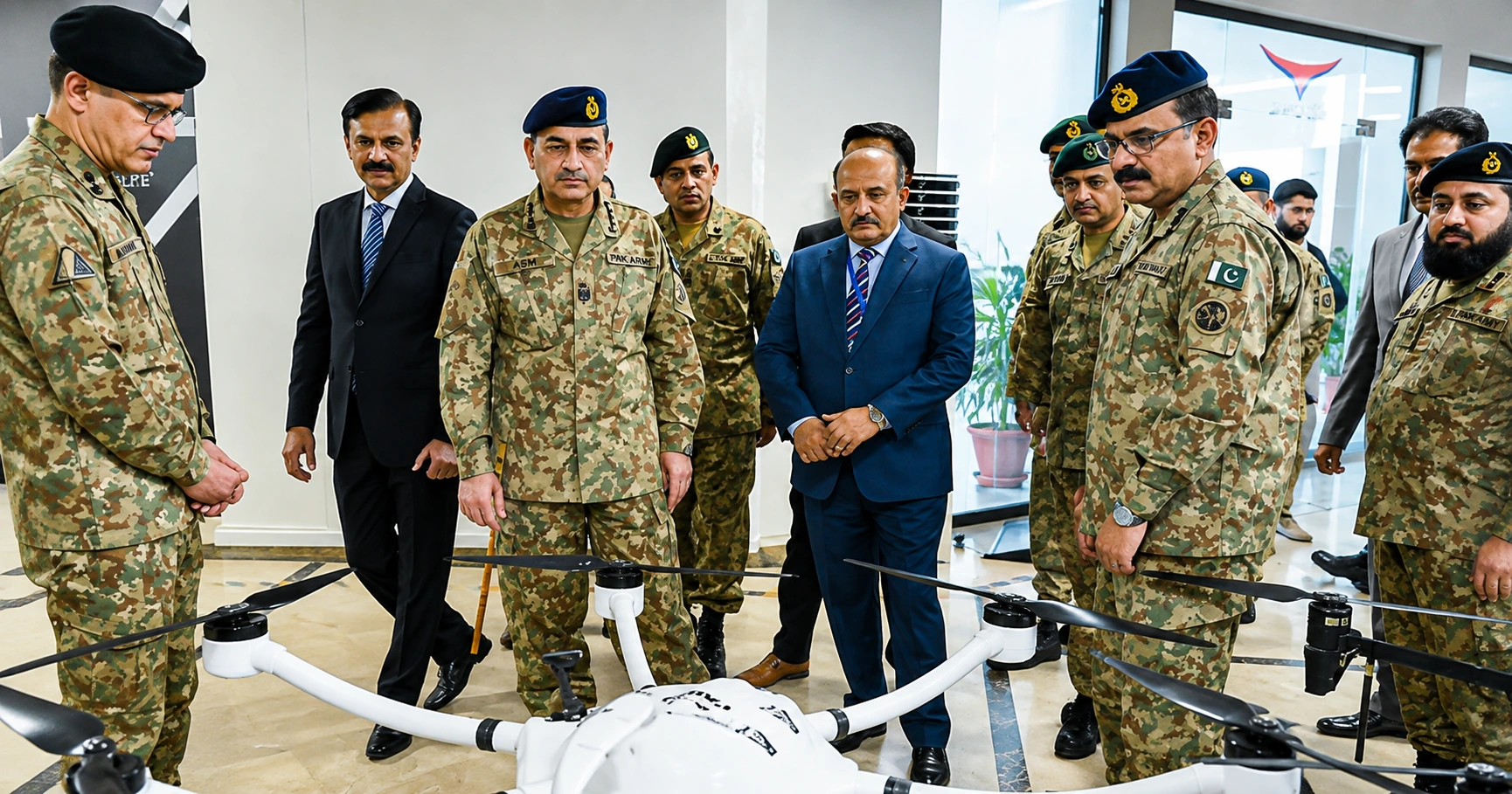
According to the Inter-Services Public Relations, which is the media wing of the Pakistan military, Field Marshal Asim Munir arrived at POF Wah on Saturday. The factory sits about 41 kilometers west of Islamabad. It is known as Pakistan’s biggest defence industrial site. The trip had one main goal. It was meant to review the factory’s production skills and its potential for exports.
During the visit, officials gave the Field Marshal a full briefing. They explained how the factory works. They also explained its role in building national defence. POF makes many kinds of military equipment inside Pakistan. This includes weapons, ammunition, and other defence items. The officials shared details about how this equipment is designed and built locally, without relying too much on imports from other nations.
The Field Marshal did not just sit and listen. He also watched live tests and trials of weapons that were made inside the country. These are locally designed and manufactured arms and ammunition. Seeing these tests up close gave him a direct look at the quality of the work being done. This part of the visit highlighted something important. It showed the factory’s focus on new ideas, self-reliance, and better production skills.
Corporatization Process and DIPRA Ordinance
One major update from the visit was about a legal and organizational change happening at POF. The military leadership was given an overview of the corporatization process. This process is linked to a new law called the DIPRA Ordinance. DIPRA stands for the Defence Industrial Production and Regulatory Authority.
In easy words, this means the factory is moving towards becoming more like a modern company. It will likely have better management systems. It should also become more efficient over time. This kind of change often helps a factory work faster and produce better quality goods. It can also help the site handle bigger export orders in the future.
Some reports also mentioned that two new industrial plants are being built at the site. These plants are expected to start production by the end of this year. Officials say these new facilities are part of a wider plan. The plan aims to boost production capacity. It will also help modernize defence manufacturing across the country. This is a positive sign for anyone watching Pakistan’s defence sector grow.
Why This Visit Matters
Pakistan has been trying to build a stronger defence industry for many years. The country already makes some of its own weapons. But leaders want to go further. They want the country to depend less on other nations for military supplies. They also want to earn money by selling defence products abroad.
This visit sends a clear message. The top army leadership is paying close attention to this goal. When a senior official like the Chief of Army Staff visits a factory in person, it shows how much value the mission carries. It also puts pressure on the teams working there to keep improving their output.
Export potential is another key point from this visit. If Pakistan can build strong trade ties in the defence sector, it could bring in more foreign income. Many countries around the world buy weapons and ammunition from other nations. If POF products meet international standards, Pakistan could become a bigger player in this market. This is not a small task. It takes years of planning, testing, and building trust with buyers. But every step, including a visit like this one, moves the country closer to that target.
A Simple Look at Pakistan Ordnance Factory
For readers who may not know much about POF, here is some easy background. Pakistan Ordnance Factory in Wah is one of the oldest and biggest defence production centers in the country. It has been making weapons and related equipment for decades. Over time, it added many production units. Today, it produces a wide mix of items used by the armed forces.
The factory plays a central role in supplying the military with locally made goods. This includes everything from small arms to ammunition. Having a strong domestic supplier reduces the need for costly imports. It also builds skills within the country. Engineers, technicians, and workers gain more experience with each passing year. This helps Pakistan slowly build up its own base of knowledge in defence technology.
You can read more about how defence industries generally work and how nations build export markets through sources like the World Bank’s coverage on defence and industrial policy or global reports from SIPRI, the Stockholm International Peace Research Institute, which studies arms production and trade around the world.
What Comes Next
The visit gives a glimpse into what could be coming for Pakistan’s defence sector. With new plants set to begin production soon, output at POF may rise. If the corporatization plan under the DIPRA Ordinance works well, the factory could run in a more organized and modern way. This could open doors for better trade deals with other countries.
It is worth noting that building an export-ready defence industry is not an overnight job. It takes strict quality checks. It also requires meeting the rules and standards set by buyer countries. Still, steps like this visit show forward movement. Reports on such visits are usually shared through outlets like Reuters, which often track regional defence and security news for a global audience.
For everyday readers, this story is a reminder that defence production is not only about the military. It also touches the economy, local jobs, and international trade. A stronger defence industry can support many workers. It can bring skills training to young engineers. It can also add to the country’s income if exports grow steadily over time.
Final Thoughts
Field Marshal Asim Munir’s visit to POF Wah was a clear and direct move. It was not just a formal event. It carried real purpose behind it. The review of production skills, the tour of new plants, and the update on the corporatization process all point in one direction. Pakistan wants a stronger, more self-reliant defence industry. It also wants that industry to earn a place in the global export market.
This visit may be just one part of a much longer journey. But every visit, every review, and every test brings the country a step closer to its bigger defence and economic goals.
FAQs
1. What is Pakistan Ordnance Factory (POF)?
POF is Pakistan’s largest defence industrial complex, located in Wah. It makes weapons, ammunition, and other military equipment inside the country.
2. Why did Field Marshal Asim Munir visit POF Wah?
He visited to review the factory’s production capabilities and to check its potential for future defence exports.
3. What is the DIPRA Ordinance?
It is a law behind the Defence Industrial Production and Regulatory Authority. It supports the corporatization of defence factories like POF for better management.
4. Will POF’s production increase soon?
Yes. Reports say two new industrial plants at POF are expected to begin production by the end of this year, boosting overall output.