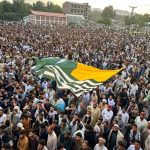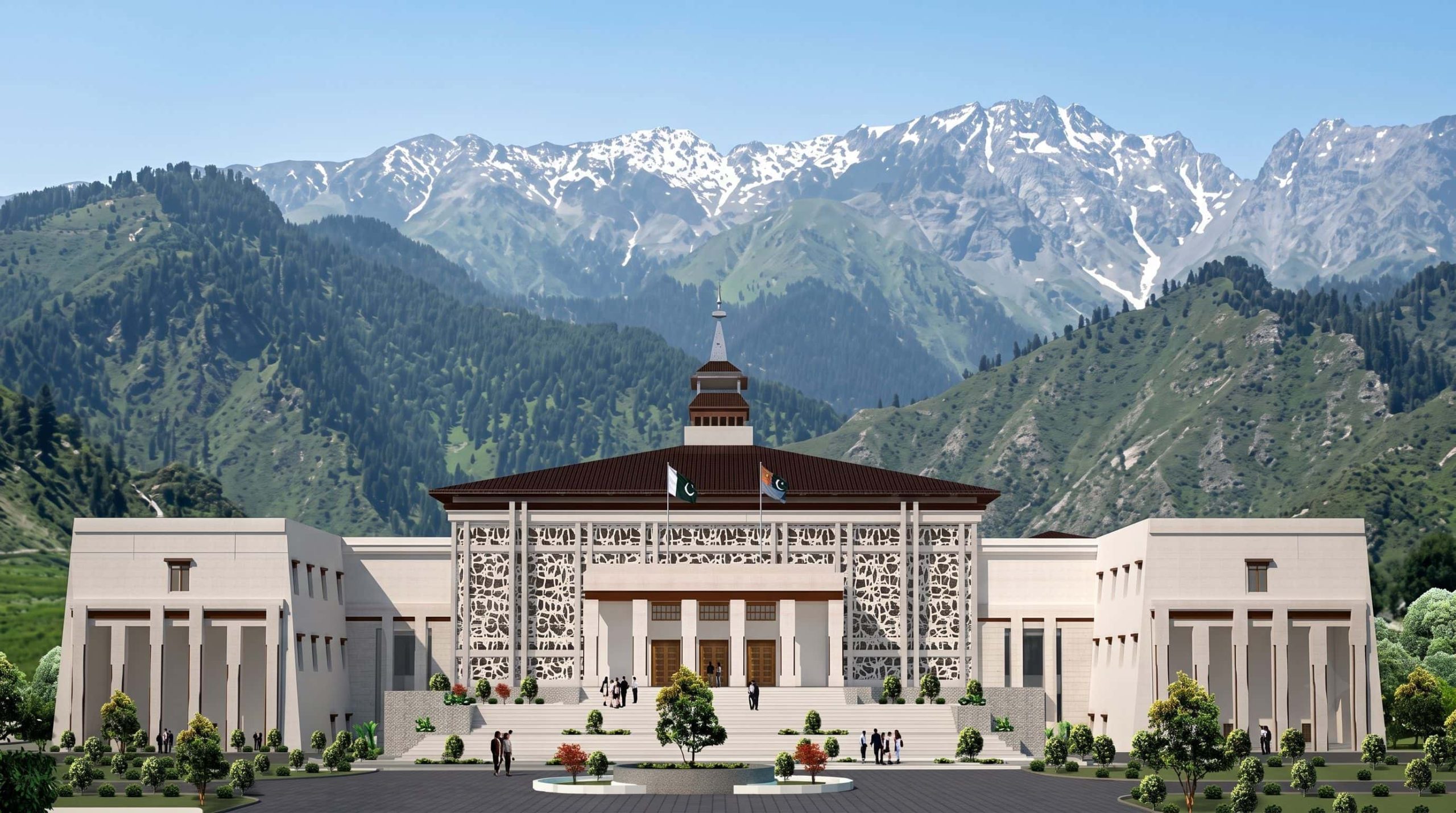
AJK Elections Phase 3 is underway on August 10, 2026, but only 4 of 11 originally scheduled constituencies are voting today covering Bagh and Haveli districts in Poonch Division. Seven constituencies were postponed due to security concerns, with no new date announced. PML-N currently leads the 53-seat assembly with ~24 seats to PPP’s ~10, making today’s vote and the postponed seats critical to the final result.
Voting is underway. But here’s what most headlines won’t tell you: only 4 of the 11 constituencies originally scheduled for AJK Elections Phase 3 are actually casting ballots today. The remaining 7 concentrated in Poonch district and Sudhnoti were postponed before polling day due to security concerns. No new date has been set.
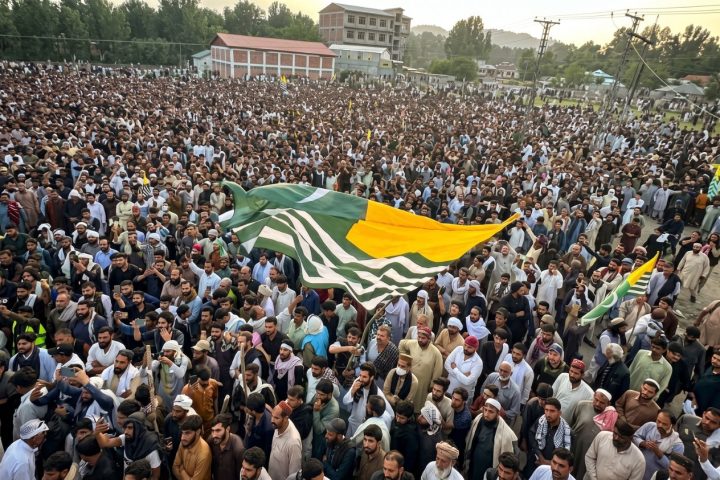
That’s not a footnote. It’s the story. Those 7 postponed seats sit in the heart of the JAAC protest movement’s strongest territory. Their absence from today’s schedule shapes what this phase means and what the final assembly composition might look like.
This article does three things. It compiles the full Kashmir election results across all three phases in one place. It explains why the Poonch postponements matter politically. And it names the specific candidates and races you should be watching as results come in from Bagh and Haveli today.
For the full background on the ongoing Kashmir election crisis and 12-seat dispute, see our earlier explainer: Kashmir Elections 2026: What’s Really Happening and Why It Matters.
The Three-Phase AJK Election at a Glance
Here is everything decided so far and what remains open compiled in one place.
AJK elections 2026 results Phase 1, Phase 2, and Phase 3
| Phase | Date | Division | Seats Decided | PML-N Seats | PPP Seats | Turnout |
| Phase 1 | July 27, 2026 | Mirpur | 13 | 9 | 4 | 46% |
| Phase 2 | August 2, 2026 | Muzaffarabad + 12 Refugee Seats | 21 | 15 | 6 | 53% |
| Phase 3 | August 10, 2026 | Bagh & Haveli (Poonch) | 4 (Voting Today) | TBD | TBD | TBD |
Turnouts are falling. Phase 1 came in at 46%, Phase 2 at 53% both well below the 60%+ participation recorded in the 2021 and 2016 AJK elections. Whether Phase 3 continues that downward trend is one of the key data points to watch today.
The parties competing across all three phases include PPP, PML-N, Jamaat-e-Islami (JI), Muslim Conference, Istehkam-e-Pakistan Party (IPP), and a significant number of independent candidates.
That brings us to today and why Phase 3 looks very different from what was originally planned.
Why Phase 3 Was Reduced — The Poonch Division Postponements
Here is the plain fact: of the 11 constituencies originally scheduled for Phase 3, only 4 are voting today. The remaining 7 — 5 in Poonch district and 2 in Sudhnoti were postponed ahead of polling day due to security concerns. As of publication, no new polling date has been announced for those constituencies.
That means roughly 460,000 registered voters spread across 800+ polling stations are participating today. The voters in the 7 postponed constituencies remain in limbo.
The geography of these postponements is not incidental. The Poonch Division is widely described as the stronghold of the JAAC protest movement and the postponed constituencies are concentrated precisely in the areas where JAAC’s influence is strongest. When the map of postponed seats overlaps almost exactly with the map of protest activity, that context belongs in the story.
An additional factor complicates the picture for voters and journalists alike. The region has been under an internet blackout for more than 50 days. Access to candidate information, voting logistics, and real-time news has been severely restricted for residents in the affected areas including in the constituencies voting today.
The question every reader tracking this election is asking: what happens to those 7 postponed seats? Their results will directly affect the final seat composition of the 53-member AJK Legislative Assembly. No answer to that question exists yet.
Background — Why Are These AJK Elections So Contested?
The core dispute driving this election’s turbulence is the existence of 12 refugee seats Assembly positions allocated to Kashmiris living outside AJK. The JAAC (Joint Awami Action Committee) has made abolishing those seats its central demand, arguing that they dilute local political representation and give outsiders disproportionate influence over AJK’s governance. For a fuller account of this dispute, see our full explainer on the ongoing Kashmir election crisis and 12-seat dispute.
JAAC was officially banned in June 2026 and has called for a complete boycott of all three phases of the election. The organization’s boycott call is one plausible explanation for the below-historical turnout recorded in Phases 1 and 2, though it is not the only one.
On casualties: figures are disputed and must be read with that in mind. Rights groups and residents cite more than 50 deaths linked to the unrest. The government’s confirmed figure stands at at least 7 security personnel killed. Both figures are attributed to their respective sources here; neither has been independently verified by On Record Pakistan at time of publication.
Polling in today’s active constituencies opened at 8:00 AM.
Key Candidates and Races to Watch in Phase 3 Today
Every other outlet covering today’s vote describes the logistics. Fewer tell you who is actually on the ballot and why it matters. Here is that information.
Haveli Constituency — Faisal Mumtaz Rathore’s Home Seat
AJK Prime Minister Faisal Mumtaz Rathore of the PPP is defending his own constituency in Haveli today. That alone makes this race significant. His party trails PML-N 10 seats to 24 in the overall tally meaning Rathore is fighting to hold his home seat while his party plays catch-up nationally. A loss here would carry both symbolic and practical weight. A win keeps PPP’s path to influence alive in Poonch Division.
Bagh Constituency — A Clash of Former Prime Ministers
Bagh is where two former AJK Prime Ministers face off directly. Sardar Tanveer Ilyas, running for IPP, goes up against Sardar Attique Ahmed Khan of Muslim Conference. Both men carry significant political histories in AJK. The outcome here is about more than one seatit signals which wing of the region’s traditional political elite retains more sway in Poonch.
JI and independent candidates are also contesting seats in today’s phase. Their performance in this protest-movement stronghold could indicate how well-organized non-mainstream political forces have become on the ground.
These are the names to watch when results start coming in.
Turnout Trends — What the Numbers Tell Us
Turnout is falling. That is the observable fact. In 2016 and 2021, AJK elections routinely recorded 60%+ voter participation. Phase 1 of the 2026 election came in at 46%. Phase 2 improved slightly to 53% — but remained well below historical norms.
What explains it? Three factors are plausible, and they are not mutually exclusive. First, the JAAC boycott call may be deterring voters who align with the movement’s grievances. Second, the 50+ day internet shutdown has restricted voters’ access to candidate information and campaigning, which typically drives turnout. Third, the general climate of unrest in the region may be suppressing participation independently of any organized boycott.
Today’s figures are further complicated by the reduced scope of Phase 3. Comparing turnout in 4 constituencies against the historical baseline for 11 constituencies is not a clean comparison. Any turnout figure published tonight should be read with that caveat in mind.
There are also reports attributed to Geo News that some voters in today’s active polling stations encountered access delays or restrictions when attempting to enter polling booths. On Record Pakistan has not independently verified these reports at time of publication.
Press Freedom and Information Access
This detail appears in limited coverage and deserves to be stated plainly: international media have reportedly been barred from conducting on-ground reporting in AJK without prior government clearance. The practical effect is that independent, real-time verification of conditions inside the region is severely constrained.
The 50+ day internet shutdown compounds this. Journalists and researchers operating outside AJK cannot independently confirm what is being reported from inside the region, and residents inside the region cannot easily access or share information. Both factors limit the evidentiary basis for any single account of today’s events including this one. Read all coverage of Phase 3, including this article, with that limitation clearly in mind.
What the Assembly Looks Like Right Now — and What Comes Next
The current seat tally, with Phase 3 polling underway: PML-N holds approximately 24 seats; PPP holds approximately 10. Those figures reflect Phases 1 and 2 only.
Today’s 4 constituencies and the 7 postponed constituencies together represent a significant block of the remaining undecided seats in the 53-member AJK Legislative Assembly. If current trends hold and PML-N performs strongly in Bagh and Haveli, PML-N is positioned to lead the final assembly. But the 7 postponed Poonch seats concentrated in JAAC stronghold territory could shift that balance depending on when they are held and under what conditions.
The AJK Legislative Assembly’s 53 seats break down into 41 general seats plus the 12 refugee seats that sit at the center of the JAAC dispute. PML-N PPP AJK election results from the first two phases give PML-N a commanding lead but not yet a confirmed majority.
Three things will determine the final picture:
- Today’s results from the Bagh and Haveli constituencies
- An announcement of a new polling date for the 7 postponed constituencies in Poonch and Sudhnoti
- The final 53-seat composition of the AJK Legislative Assembly
None of those three things are resolved yet.
Phase 3 Is Smaller Than Planned — But It Matters More Than It Looks
Phase 3 is the smallest and most restricted phase of the AJK elections — not because only 4 seats are voting today, but because 7 more are not, and no one knows when they will.
Two things remain unresolved. Today’s results from Bagh and Haveli are still incoming. And the 7 postponed constituencies in Poonch and Sudhnoti still have no confirmed polling date. Both will shape the final composition of the 53-member AJK Legislative Assembly and, by extension, who governs AJK.
Bookmark this page on On Record Pakistan. It will be updated as live results come in from today’s constituencies and as any announcement on the postponed seats is made. For verified AJK electoral history, candidate records, and deeper research into the 12-seat dispute, explore On Record Pakistan’s public records archive.
Frequently Asked Questions
How many seats does the AJK Legislative Assembly have?
The AJK Legislative Assembly has 53 seats in total 41 general seats and 12 seats reserved for Kashmiris living outside AJK. The 12 refugee seats are at the center of the JAAC’s protest movement, which demands their abolition on the grounds that they dilute local political representation.
Why were AJK election constituencies postponed in Poonch Division?
Seven constituencies 5 in Poonch district and 2 in Sudhnoti were postponed before Phase 3 polling day due to security concerns. These areas are located in the heart of the JAAC protest movement’s strongest territory. As of August 10, 2026, no new polling date has been announced for the affected constituencies.
Which party is currently leading in the AJK elections 2026?
After Phases 1 and 2, PML-N leads with approximately 24 seats. PPP holds approximately 10 seats. The remaining seats including today’s 4 active constituencies and the 7 postponed ones are yet to be decided and will determine the final assembly composition.
What is the JAAC and why is it protesting in the Kashmir elections?
The JAAC (Joint Awami Action Committee) is a protest movement that has been demanding the abolition of the 12 refugee seats in the AJK Legislative Assembly, arguing those seats unfairly dilute the political representation of residents living inside AJK. The JAAC was officially banned by authorities in June 2026 and has called for a complete boycott of the 2026 AJK elections across all three phases.
Who won AJK elections Phase 1 and Phase 2?
Phase 1 (Mirpur Division, July 27, 2026): PML-N won 9 seats, PPP won 4 seats. Turnout was 46%.
Phase 2 (Muzaffarabad Division and 12 refugee seats, August 2, 2026): PML-N won 15 seats, PPP won 6 seats. Turnout was 53%.